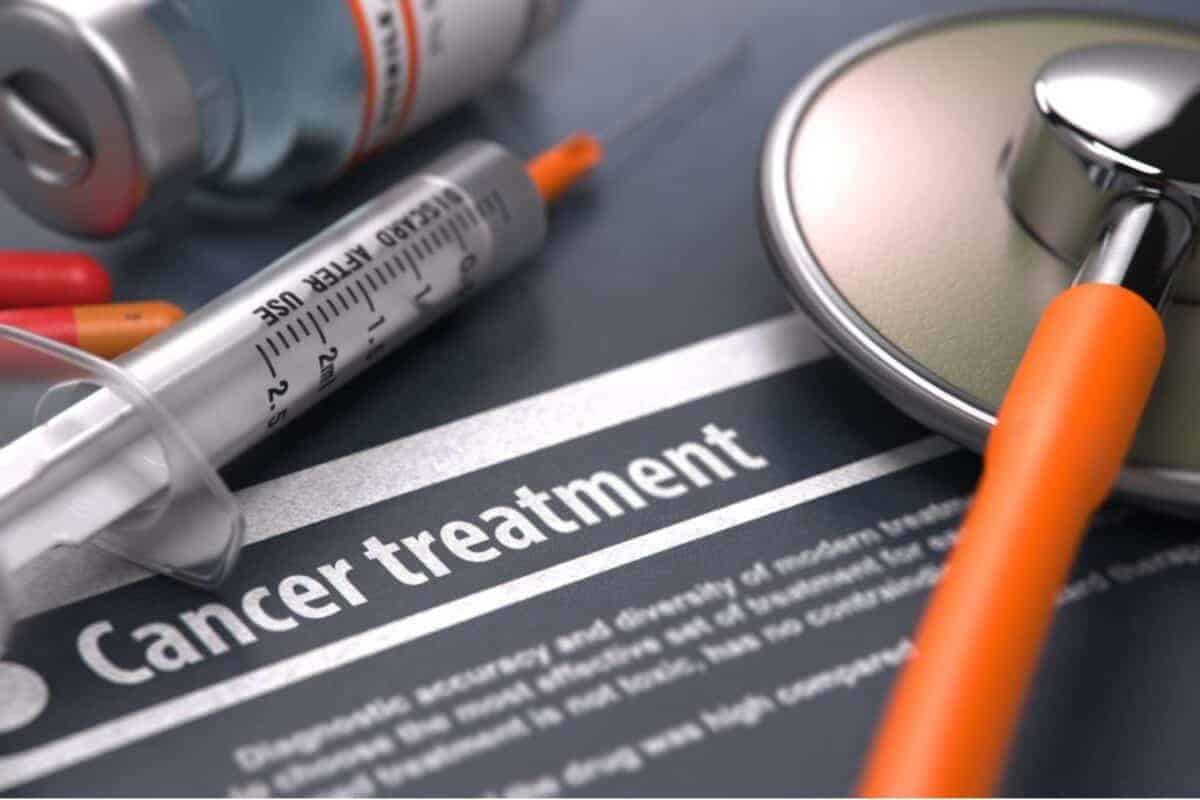
South Africa is facing a steady rise in cancer diagnoses, with more than 100 000 new cases reported each year.
An ageing population and lifestyle changes are driving much of the increase, but the knock-on effects are placing a strain on an already pressured health care system.
Less visible, however, is another problem quietly emerging alongside the cancer burden – the country’s acute shortage of cardio-oncologists.
These specialists deal with the complex intersection between cancer treatment and heart health – an area that is becoming increasingly important as survival rates improve.
Ideally, cancer patients should undergo cardiovascular assessment before beginning chemotherapy and be carefully monitored afterwards.
Yet South Africa’s ability to provide this care is constrained due to gaps in the system.
Currently, the country has only a single dedicated cardio-oncology centre, while the number of specialists trained to deal with the cardiac complications of cancer treatment is small.
India, with its globally recognised expertise in cardiology and oncology, is well-placed to help close this gap. The country has built a reputation for medical innovation and training.
Dr Trishun Singh, founding president of the Cardio-Oncology Society of Southern Africa and head of the Cardio-Oncology Centre at Netcare Umhlanga Hospital in Durban, has raised concerns about the shortage of specialists and its implications for patient care.
At present, he is the country’s only practising cardio-oncologist – a stark reflection of the underdevelopment of this speciality in South Africa.
While chemotherapy and radiation therapy have improved cancer survival rates dramatically, they can also damage the heart and circulatory system.
For many patients, the effects do not appear immediately. Some develop cardiovascular disease years after completing treatment, while others enter cancer treatment already living with underlying heart conditions.
As the number of cancer survivors continues to grow so, too, does the need for specialised care to manage these complications. Yet South Africa’s health system is not equipped to meet that demand.
ALSO READ: A city says goodbye to Ufrieda Ho
Cardio-oncology has not yet been formally incorporated into specialist fellowship programmes, leaving SA without a pipeline of trained practitioners.
The consequences are far-reaching. Without early cardiac screening and integrated care pathways, patients face a greater risk of serious cardiovascular complications.
Treatment costs inevitably escalate, recovery becomes more difficult and pressure on public and private health care systems increases.
Singh has advocated for multidisciplinary health care units that bring cardiologists and oncologists together, along with expanded training programmes to develop future specialists.
Partnerships with countries that already possess strong expertise in the field could accelerate this process.
Encouragingly, South Africa and India are already collaborating in this field.
Through training and research initiatives and technical partnerships, India is helping to address the shortage of cardio-oncology expertise in the country.
Clinicians from both countries are working together on research into the management of cardiovascular disease in cancer patients.
New Delhi has also opened scholarship opportunities for SA doctors and nurses to receive specialised training in cardiology, oncology and critical care.
Another initiative is the expansion of the International Centres for Precision Oncology Foundation’s theranostics network into both South Africa and India.
Indian institutions are also contributing through telemedicine. Leading centres are providing remote consultations and diagnostic support, enabling India’s specialists to assist South African doctors in managing complex cases where cancer treatment carries significant cardiac risks.
As cancer survival rates improve globally, the relationship between heart disease and oncology will become an increasingly important frontier in medicine. For South Africa, building expertise in cardio-oncology is not just desirable but essential.
Strategic collaboration with countries like India plays an important role in closing this gap, ensuring that cancer patients not only survive their illness, but do so with their long-term health protected.
NOW READ: Alberton mom gives back after losing a bursary when daughter (2) was diagnosed with kidney cancer
About the Author