The Confederation of African Football (CAF) prepares to finalize critical logistical arrangements for its upcoming flagship tournaments during an executive committee summit in Dar es Salaam, Tanzania, this Friday. Top football administrators gathered in the East African nation to address pressing concerns regarding the scheduling and venue locations for both the 2027 Africa Cup of Nations and the 2026 Women’s Africa Cup of Nations. These high-level deliberations occur amid growing pressure from international stakeholders and participating member associations to provide clarity on the continent’s football calendar.
While official plans currently slate the WAFCON 2026 finals for Morocco next month, several factors have complicated the roadmap for the men’s 2027 AFCON. Insiders suggest that a densely packed global football schedule combined with infrastructure anxieties regarding co-hosts Kenya, Tanzania, and Uganda may necessitate a significant shift. The governing body now evaluates the feasibility of pushing the 2027 tournament back to 2028 to ensure the East African trio can deliver facilities that meet the required standards for a competition of this magnitude.
A separate but equally urgent decision involves the immediate future of the women’s continental championship. Conflicting reports indicate that Morocco might withdraw its commitment to host the WAFCON finals, creating a potential vacancy that requires an immediate solution. South Africa has reportedly signaled its readiness to step in as a replacement host should the Moroccan authorities officially relinquish their hosting rights during today’s executive session.
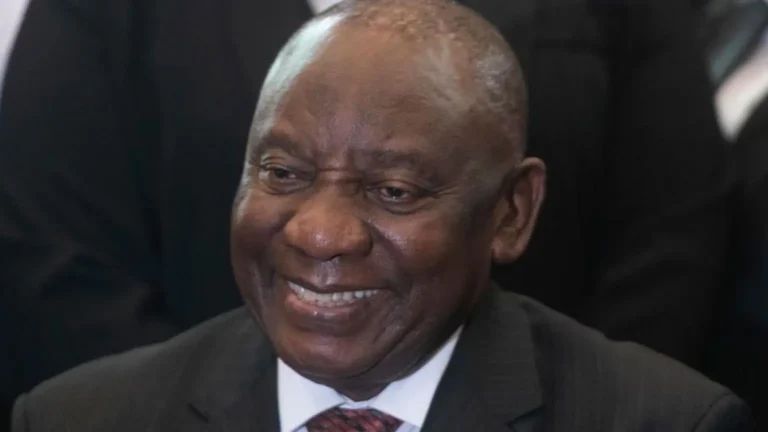
CAF President Patrice Motsepe will lead the discussions as the committee weighs the financial and developmental implications of these potential changes. The outcome of this meeting will dictate the travel plans and preparation phases for dozens of national teams across the continent. Football fans across Africa now await the official communiqué from Dar es Salaam, which will define the trajectory of African football for the next three years.
About the Author