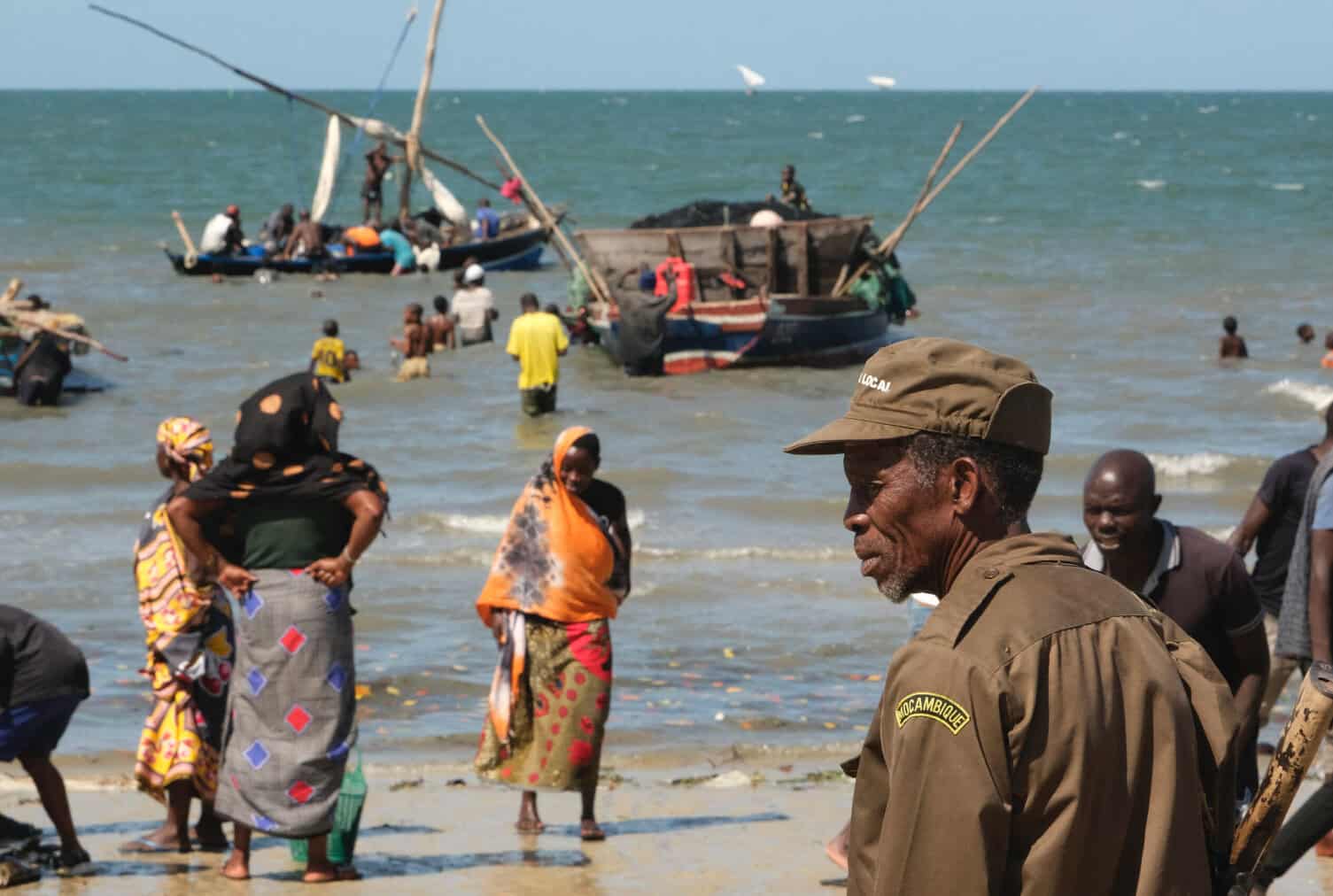
Parliamentarians have highlighted the potential for increased trade with Mozambique, provided that stability could be maintained in the coastal nation.
Officials from the Department of International Relations and Cooperation (Dirco) gave a presentation to its portfolio committee on Wednesday which outlined the state of bilateral relations between the countries.
Committee members heard about the existing frameworks, but were more concerned about what future avenues of collaboration could be cemented.
SA-Mozambique trade ties
The department’s presentation noted how there were 76 previous and existing agreements signed between the two countries to date.
Over 300 South African companies operate in Mozambique, supporting roughly 500 000 jobs and having facilitated R156 billion in investment.
Exports to Mozambique in 2024 amounted to R119 billion, while South Africa imported R19.4 billion worth of Mozambiquan goods and services.
The largest source of cooperation between the countries is energy, with South Africa accounting for 80% of Mozambique’s energy exports.
A recent memorandum of understanding could “potentially” see 2 000MW of energy imported by South Africa via projects at Central Terica de Maputo, Central Termica de Beluluane and Mohanad Nkuwu Hydroelectric.
Cabo Delgado natural gas
Committee members enquired about the presence of natural gas deposits discovered in the Cabo Delgado region, a region plagued by violence.
As well as cross-border crime and natural disaster responses, ACDP’s Kenneth Meshoe asked what work was being done to secure the natural gas deposits.
“If they have massive deposits, I think we should be benefiting the most from them. Besides Mozambique, where are we getting gas from?” asked Meshoe.
The DA’s Ryan Smith highlighted the overall role of Mozambique in southern Africa’s regional stability.
“It’s all fine and well to have increasing bilateral trade agreements with Mozambique and to deepen our diplomatic ties, but it will all be for nil really if the stability of Mozambique is under threat.
“The elephant in the room here we are not discussing is the political stability of Mozambique. All of that goes up in flames if Mozambique erupts into revolution, for example.”
The uMkhonto weSizwe Party’s Wesley Douglas stated that while the trade figures were encouraging, South Africans on the ground were not seeing any benefits.
No unilateral interference
Ambassador to Mozambique Tebogo Seokolo said Cabo Delgado was a concern for South Africa and its regional partners. He, however, said South Africa can only act on Southern African Development Community (SADC) guidance.
“Peace and stability of Mozambique has got major implications for South Africa, for the national security of South Africa.
“But SADC was very clear from the beginning that our intervention compliments and seeks to create space for a long-lasting solution to the problems in any country where we intervene,” he said.
Seokolo added that information from Mozambique was being processed internally and that bilateral exchanges of information were ongoing.
Seokolo said only one nation — Rwanda — had a bilateral agreement to intervene in Cabo Delgado.
On Mozambique’s disputed elections, the ambassador said SADC observers were present and compiled reports, while SADC’s “panel of elders” assisted with dispute resolution.
“We are every mindful of the fact that no [SADC] member states should be seen as directly interfering in domestic affairs,” Seokolo stated.
NOW READ: UN alarmed as thousands flee violence in Mozambique