When 23-year-old Bruno Bwayo gently pulled a chair for his 20-year-old partner, Joyce Namata, inside a crowded health education room at Spes Medical Centre in Kitintale, the moment spoke louder than words.
The young couple had arrived early for the facility’s Maternal and Reproductive Health camp held on Saturday, March 7, 2026, an outreach organised ahead of International Women’s Day under the theme “Invest in Women, Accelerate Growth.”
For Namata, it was her first visit to Spes Medical Centre. Throughout most of her pregnancy, she has been receiving antenatal care at Kiswa health centre III in Nakawa Division. But the promise of free specialised services drew the couple to the camp.
What unfolded during the day became more than just a medical visit. It quietly illustrated a powerful yet often overlooked ingredient in maternal health: partner support.
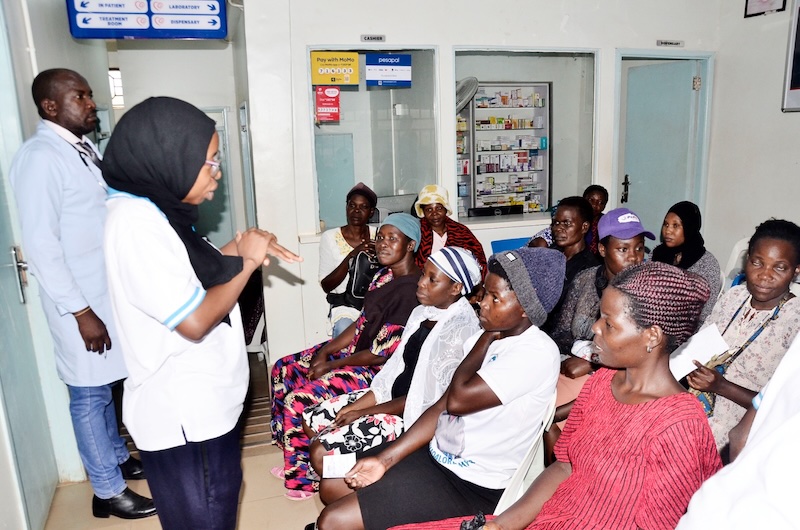
The maternal health camp ran from 8:00 am to 5:00 p.m, targeting more than 100 expectant mothers with services including antenatal care, free diagnostic tests, maternal and child health consultations, and general medical checkups.
As expectant mothers listened attentively to a health talk on gestational diabetes and pregnancy-related hypertension, Bruno’s presence stood out.
In many communities, antenatal care is still seen as a woman’s responsibility. Yet Bwayo moved with quiet attentiveness, accompanying Namata from one station to another, from laboratory tests to the ultrasound room.
By the end of the examinations, the couple received reassuring news-the pregnancy was progressing normally and both mother and baby were healthy. For Namata, the calm confidence she displayed during the checkups was not accidental.
“This is my first pregnancy, and my partner has been supportive throughout the journey,” she said. “His presence keeps me emotionally and mentally strong.”
She explained that Bwayo accompanies her to every antenatal appointment and constantly reminds her to take her medications and supplements.
“He advises me to take my folic acid and other medicine and ensures I don’t miss my antenatal visits,” she said. “Other women often tell me they feel happy seeing a partner who cares and supports his wife during pregnancy.”
Medical experts say pregnancy can bring many physical and emotional changes. Women may experience conditions such as hypertension in pregnancy, preeclampsia, gestational diabetes, urinary tract infections, and other health complications.
Regular antenatal care plays a crucial role in detecting these conditions early and managing them before they become life-threatening. However, access to these services is often limited by financial barriers, long travel distances, and a lack of family support.
Studies conducted in central Uganda have shown that male involvement in antenatal care remains low. In one study, only about 6 per cent of men consistently accompanied their partners to antenatal visits.

Health workers say increasing male participation can significantly improve maternal and infant health outcomes. Esther Ninsiima, a senior midwife at Spes Medical Centre, said psychosocial support is a key but frequently underestimated aspect of maternal care.
“Many pregnant women experience stress, which can negatively affect both the mother and the baby,” she explained.
“One of the services we are offering at this camp is psychosocial support and counselling. When partners accompany expectant mothers, it helps reduce emotional stress and creates a more supportive environment for the pregnancy.”
She also highlighted the importance of partners participating in medical testing. For example, knowing the blood group and Rhesus (Rh) factor of both parents helps doctors prevent a condition known as Rh incompatibility, which can cause serious complications in future pregnancies if not properly managed.
“Partners should know their blood groups early,” Ninsiima said. “If the mother is Rh-negative, healthcare providers can plan ahead and provide Rh immunoglobulin to prevent complications.”
For Bwayo, supporting his partner is simply following the example he grew up with.
“I grew up in a family where my father always accompanied my mother to the hospital during pregnancy,” he said. “So I feel it is my responsibility to support my wife in every way possible.”
He also credits his faith community for shaping his mindset.
“As a born-again Christian, our church leaders encourage men to support their wives during pregnancy,” he said. “Accompanying her to antenatal care is one way of showing that support.”
Bwayo believes some men hesitate to attend antenatal clinics due to misconceptions.
“Many men fear going to the hospital because they think they will be asked difficult questions,” he said. “Others complain about long waiting hours or the cost of medical bills.”
According to Dr Jawadu Niwamanya, lead doctor at the Kitintale branch of Spes Medical Centre, antenatal care should begin even before pregnancy.
“Antenatal care actually starts when a couple plans to have a child,” he said. “That is when partners can undergo health checks to identify potential challenges that might affect conception or pregnancy.”
He emphasized that pregnancy is not solely the woman’s responsibility.
“Conceiving and raising a child is a team effort,” Dr Niwamanya said. “When men support their
About the Author