The Borno State Government has launched an online land application and allocation platform for its New City expansion initiative, marking a major step in the planned growth of Maiduguri and adjoining communities.
The digital system, introduced on Wednesday, is part of the state’s 25-year development blueprint aimed at transforming the capital’s urban landscape. Officials say the reform will remove human interference in land administration, reduce corruption, prevent revenue leakages and strengthen public trust.
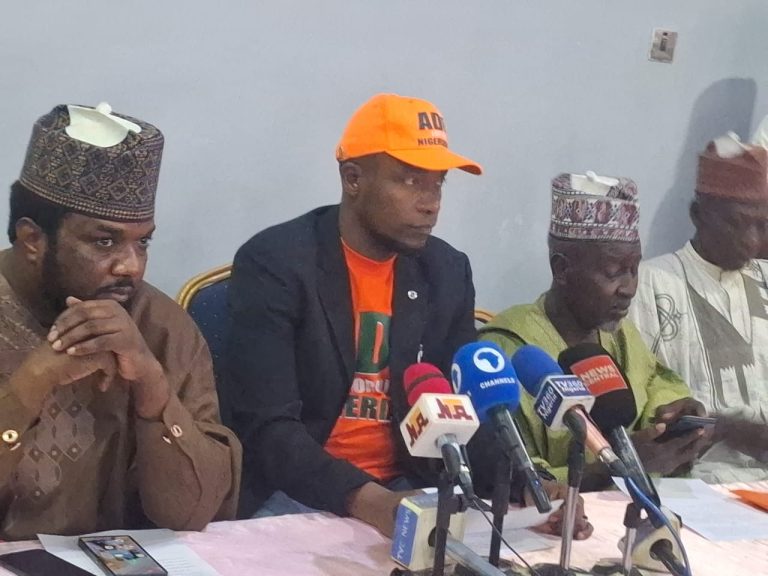
The Executive Secretary of the Borno State Geographic Information Services (BOGIS), Engr. Adam Bukar Bababe, announced the development at a press briefing in Maiduguri. He explained that the portal allows applicants to submit forms, upload required documents, including Tax Identification Numbers — monitor their application status and receive approvals entirely online.
According to Bababe, the system is designed to make land services more efficient and accessible, regardless of an applicant’s location. He noted that the platform would significantly cut delays associated with manual processing while protecting official records through a secure, centralised database.
The New City project forms part of Governor Babagana Zulum’s strategy to decongest Maiduguri and create space for affordable housing and commercial growth. The initiative is guided by the Land Use Act and the state’s long-term development framework.
Infrastructure work is already underway. Phase I of the road network, covering 16.5 kilometres of the planned 113-kilometre Ring Road, has been completed. The broader corridor spans 133 kilometres, linking areas such as Njimtilo, Chabal, Tungushe, the Lake Chad Research Institute axis, Dalori and Molai silos communities.
Authorities disclosed that 113 and 101 hectares have been allocated to estate developers, some of whom have commenced construction. Officials expressed optimism that additional investors will participate in accelerating the New City’s growth.
Prospective landowners will pay premium charges and statutory fees tied to the grant of a Right of Occupancy, ranging from ₦750,000 to ₦4 million depending on the plot category. The layouts include high-, medium- and low-density options to cater to varying needs.
The government says the digitisation of land allocation signals a broader push toward modern governance and sustainable urban expansion in Borno.
About the Author