The leadership of the Kampala Boda Boda Association has called for stronger enforcement of traffic regulations against their own, arguing that stricter enforcement is necessary to curb the rising number of road crashes and instil discipline among riders.
The call comes as the latest annual traffic report by the Uganda Police Force indicates that the country registered more than 20,000 road crashes, resulting in over 4,000 deaths. Police data also shows that boda bodas are involved in nearly half of all fatal crashes, with speeding, reckless overtaking, and red-light violations listed among the leading causes.
Uganda has for years struggled with high road crash fatalities, with police data consistently showing thousands of deaths annually, many involving motorcycles.
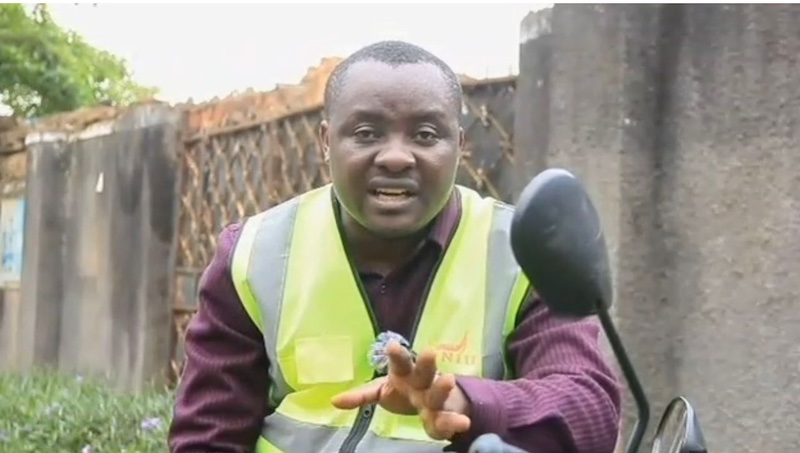
Speaking on behalf of the Kampala Boda Boda Association, general secretary, Muhindo Asuman Ambrose Kyibanzanga, said it was time for authorities to enforce road safety laws more firmly.
Kyibanzanga noted that many motorists and riders increasingly feel unsafe on the roads due to the rise in red-light violations and speeding.
“The discipline on the road has really decreased,” he said. “The number of crashes has increased. People are now crossing traffic lights as if they don’t see them. Over-speeding is now the order of the day.”
He added that some riders were even speeding through markets and school crossing zones, placing pedestrians at greater risk.
“As a secretary in the boda boda industry, I am requesting that the smart enforcement should start again,” he said. “This will decrease the road crashes. When implemented properly, smart enforcement is not against boda boda riders. It is a tool to promote discipline and fairness for all road users.”
Kyibanzanga said leaders in the boda boda industry support the restart of the Automated Express Penalty System (EPS), arguing that the automated traffic enforcement programme is necessary to restore discipline on the roads and save lives.
EPS uses cameras and digital monitoring to automatically detect traffic violations such as speeding and red-light offences, and issue penalties to offending motorists. The system was halted last year amid concerns over limited public sensitisation and implementation challenges.
Authorities have since said the system, designed to reduce human discretion, curb corruption, and ensure uniform enforcement will be rolled out again in phases in select hotspots across the country.
About the Author