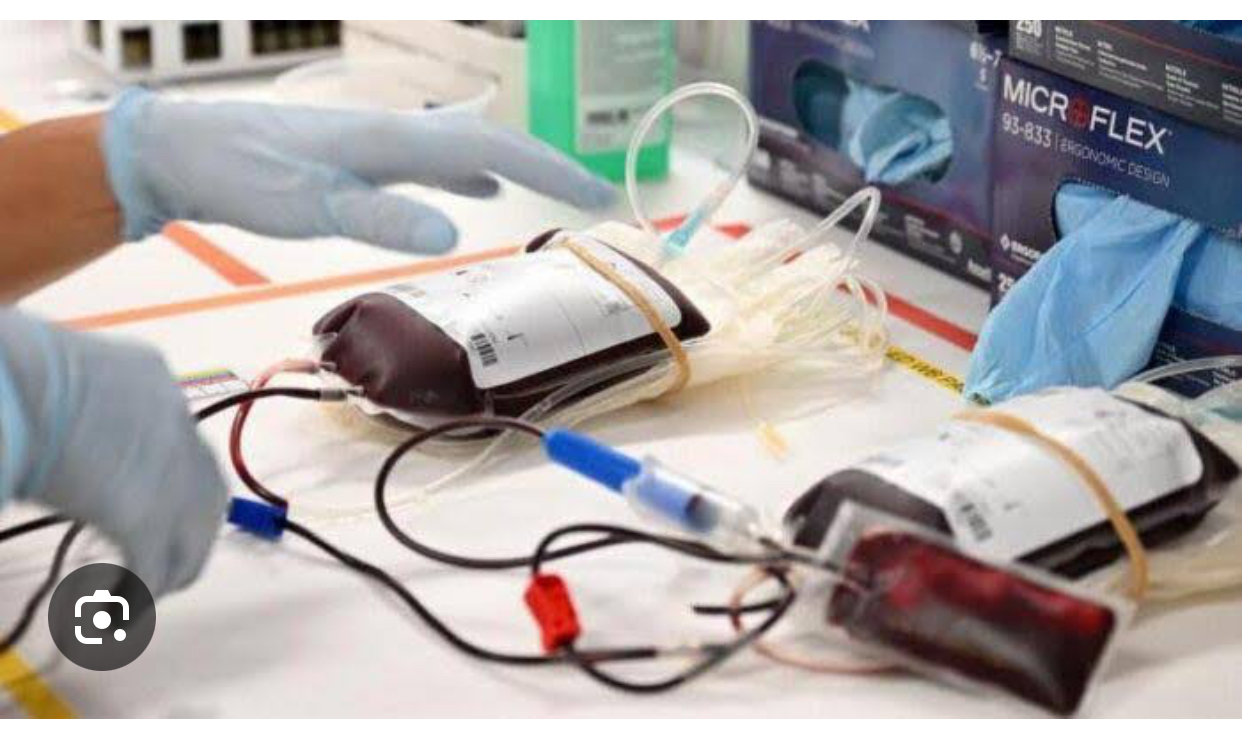
In a significant policy update, the Jehovah’s Witness religious groups has clarified its stance on blood use in medical procedures, giving members the right to choose whether their own blood can be stored and returned during surgery or treatment.
The ban on transfusions of another person’s blood remains unchanged, but individual discretion is now emphasized.
The update was announced by Gerrit Lösch, a member of the Jehovah’s Witnesses Governing Body, in a video statement posted on the organization’s website. He explained that while Christians must abstain from transfusions of another person’s blood, the Bible does not specifically prohibit the use of one’s own blood during medical care.
“Regarding the use of one’s own blood…a Christian must decide for himself how his own blood will be handled in the course of a surgical procedure, medical test, or current therapy”, Lösch said.
He referenced biblical guidance from Genesis, Leviticus, Deuteronomy, and Acts, noting that historical instructions to abstain from blood do not apply to a person’s own blood in modern medical treatment.
The clarification allows members to choose whether blood removed during procedures, such as through heart-lung machines, cell salvage devices, or dialysis, can be stored and returned. Lösch emphasized that this is a personal decision, as some members may agree, while others may decline.
Jehovah’s Witnesses have long sought quality medical care that aligns with their faith. The organization also clarified that avoiding transfusions does not mean rejecting medical treatment or relying on faith healing.
The updated guidance reflects the group’s effort to balance religious principles with modern medical practices while respecting individual conscience.
This policy change marks one of the most significant updates to Jehovah’s Witnesses’ medical guidance in recent years, giving members more flexibility in life-saving situations while maintaining core doctrinal principles.
About the Author