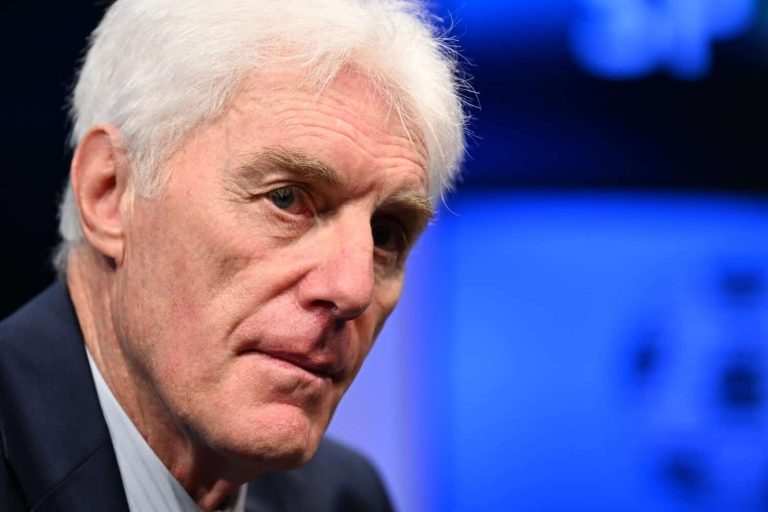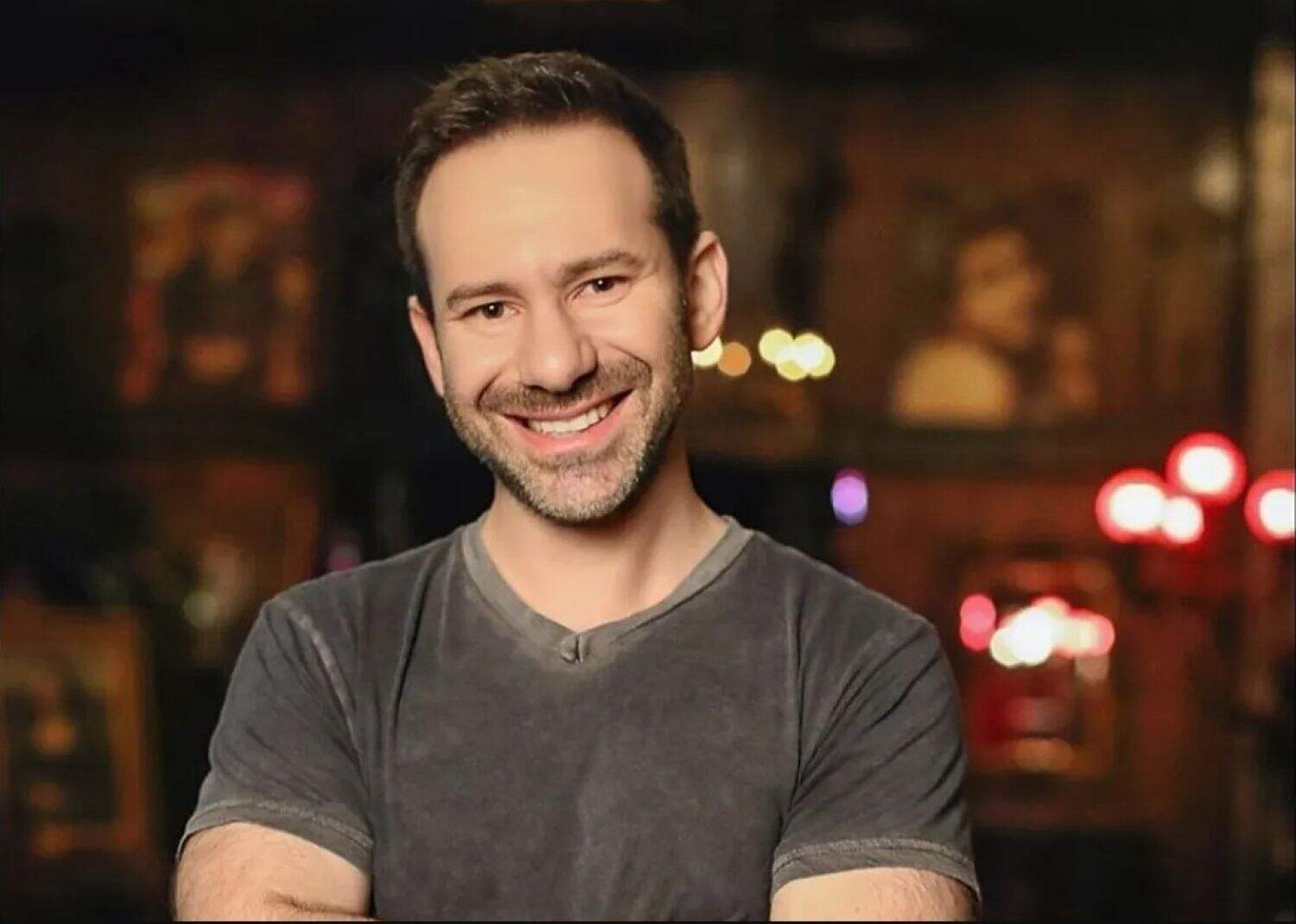
The adult entertainment industry has been thrown into mourning following reports that billionaire tech entrepreneur Leonid Radvinsky has died at the age of 43. He passed away after battling cancer.
The news was first shared by financial publication Bloomberg on social platform X. This sent shockwaves through the digital creator economy and sparked intense conversations about the future of the controversial subscription platform OnlyFans.
Known for his intensely private lifestyle, Radvinsky rarely appeared in public or gave interviews. Yet his influence behind the scenes reshaped modern adult entertainment.
Under his ownership, OnlyFans transformed from a niche content-sharing site into a global phenomenon. It blurred the lines between mainstream celebrity culture and digital sex work.
The rise of OnlyFans

OnlyFans was founded in 2016 by British entrepreneur Timothy Stokely as a platform where creators could monetise exclusive content directly from fans.
Initially positioned as a general subscription service for influencers, fitness coaches and musicians, the site gained explosive traction. This happened when adult entertainers began using it to control their own distribution and earnings.
By the time Radvinsky acquired a majority stake in the company in 2018, the groundwork for growth had already been laid.
However, his strategic focus on scalability, creator payouts and international marketing propelled the platform into unprecedented visibility. This was especially true during the global pandemic when digital income streams became essential.
Today, OnlyFans reportedly boasts more than 200 million registered users and over 3 million creators worldwide.
Financial estimates suggest the platform has generated billions in annual revenue. Radvinsky himself is believed to have amassed a personal fortune worth several billion dollars through dividends and company performance.
Cultural impact and controversy
Despite its success, OnlyFans has long remained a lightning rod for debate.
Supporters argue it empowered performers to reclaim autonomy and build personal brands. Meanwhile, critics questioned its influence on youth culture and online safety.
Radvinsky’s passing now raises urgent questions about leadership succession and strategic direction. Industry insiders believe the company’s next chapter could involve diversifying content. It could also include expanding into entertainment partnerships, or tightening regulatory compliance as governments increase scrutiny.
ALSO READ:Men are inflating their scrotums, doctors warn of serious risks
About the Author