Barely one month after a failed coup attempt rattled Benin, the West African nation is set to hold parliamentary and local elections on Sunday, a crucial vote expected to shape the country’s political trajectory ahead of the presidential election scheduled for April.
President Patrice Talon’s ruling coalition is widely tipped to consolidate its dominance, as the main opposition party, the Democrats, has been barred from participating in the local elections—and from contesting the April presidential poll—after failing to secure the required number of endorsement signatures.
Although the Democrats will field candidates in Sunday’s parliamentary elections, analysts say the party risks losing further ground to Talon’s three-party ruling bloc, which currently controls 81 of the 109 seats in the National Assembly.
The elections come at a tense moment for the country, which is still reeling from a deadly coup attempt on December 7. The mutiny, led by rogue elements within the army, was swiftly crushed within hours by loyalist forces, with reported support from Nigeria and France.
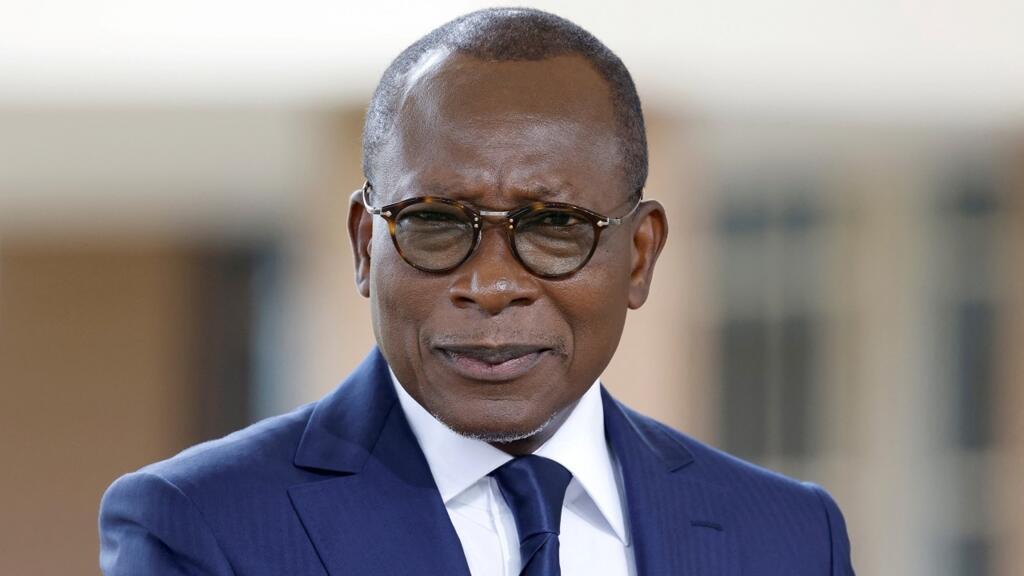
President Talon, 67, has overseen significant economic growth during nearly a decade in office. However, his administration has faced persistent criticism from rights groups and opposition figures, who accuse him of curtailing political freedoms and shrinking democratic space.
Security concerns are also expected to weigh heavily on voters’ minds. Northern Benin has been increasingly affected by spillover attacks from jihadist groups affiliated with Al-Qaeda, operating across borders in neighbouring Burkina Faso and Niger.
While Talon is constitutionally barred from seeking another term as he approaches the end of his second five-year mandate, his preferred successor, Finance Minister Romuald Wadagni, is widely regarded as the frontrunner in the April presidential race.
Wadagni is set to face a lone challenger, Paul Hounkpe of the moderate opposition FCBE party. The FCBE has maintained close ties with parties within the ruling coalition and is expected to align with them in the National Assembly if its candidates secure seats in Sunday’s vote.
Following constitutional reforms adopted in November, Benin’s presidential term has been extended from five to seven years, with a two-term limit. Under the new framework, the country will experience an extended period without elections after the legislative and presidential polls—a development the Democrats have criticised as placing “freedoms in quarantine.”
About the Author