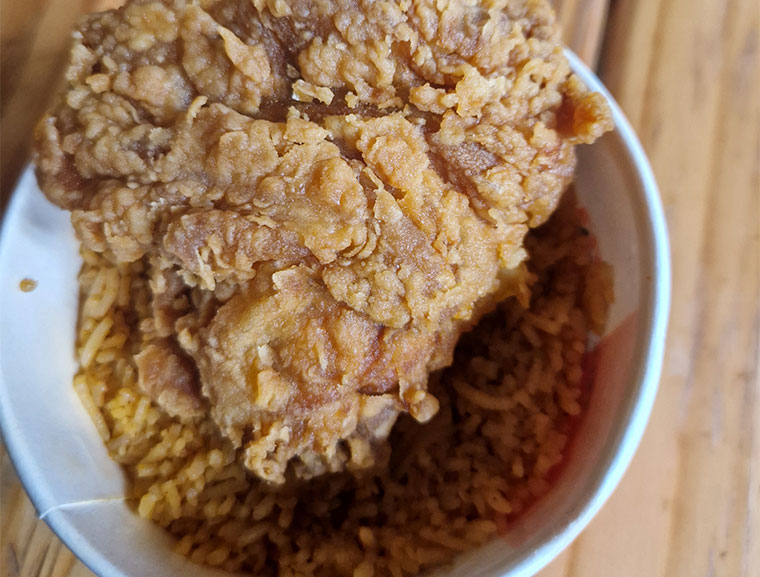
The KFC sign looms large at the entrance of Akamwesi, a mall in Mpererwe neighbourhood in Kampala, daring you to pass by without stopping at the drive-through.
Many of the children and parents visiting the mall have never gone beyond the borders of Uganda. They certainly don’t know about the Great Depression that inspired Colonel Harland David Sanders to start one of the first American international food chains.
All they know is that the three letters KFC represent all things sophisticated. In every mall and every market, there is fast food for every pocket. As one of the more expensive options, KFC is considered a treat.
It is the place Kampala’s families go to celebrate birthdays and baptisms. It is the children’s reward when they get a good school report. In fact, they are hoping their parents take them for Christmas at KFC.
“Mom, do you know that some people pack KFC for school lunch?” my 14-year-old daughter, who attends a school between Mpererwe and the more upscale neighbourhood of Acacia, tells me.
She says that on the days they do not pack KFC, they pack food from Café Javas, an East African fast-food chain selling everything from fried breakfasts to burgers. It is Friday evening, and I am only half-listening as I struggle to do the weekend shopping at Acacia mall while steering her and her brother away from the restaurants suggesting that life would be so much easier if we bought chips and chicken and ate in front of a Netflix movie.
When we get home, I find my husband has already slaughtered one of the free range chickens in our backyard. I hope the aroma of chicken slow boiled for hours and served with fresh vegetables from the market will triumph over the allure of fast food.
Edited from The Guardian, UK.
About the Author