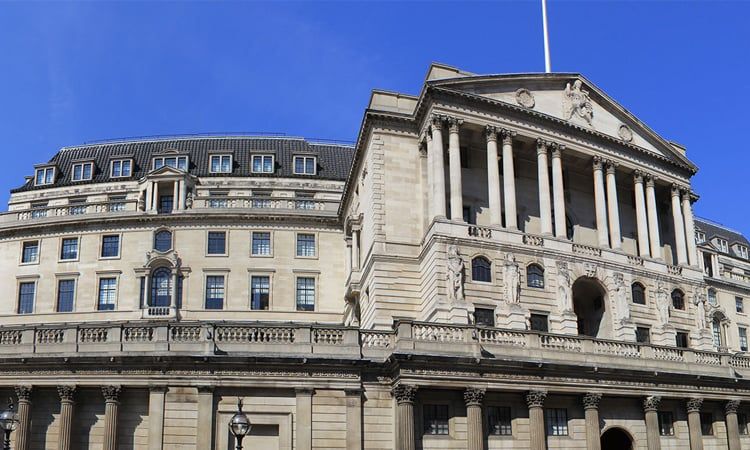
Bailey Signals Gradual Easing Path Amid Weak UK Economic Growth
The Bank of England (BoE) on Thursday cut its key interest rate to 3.75 percent, citing faster-than-expected easing in inflation and signs of a weakening UK economy.
The widely anticipated quarter-percentage-point reduction followed the BoE’s latest monetary policy meeting and came ahead of the European Central Bank’s own rate decision.
“We’ve passed the recent peak in inflation, and it has continued to fall, so we have cut interest rates,” BoE Governor Andrew Bailey said.
Inflation Slows Faster Than Forecast
Expectations for the rate cut were reinforced by official data released on Wednesday showing Britain’s annual inflation rate slowed to 3.2 percent in November, below market forecasts.
Analysts now expect borrowing costs to ease further next year as inflation moves closer to the BoE’s two-percent target.
Thursday’s decision marks the sixth rate cut since August 2024, when the central bank began its easing cycle, one month after the Labour Party won the general election.
Close Vote Among Policymakers
The decision was narrowly split, with policymakers voting 5–4 in favour of the cut. Four members of the Monetary Policy Committee preferred to keep rates unchanged at 4.0 percent.
“We still think rates are on a gradual path downward,” Bailey said.
“But with every cut we make, how much further we go becomes a closer call.”
The BoE last lowered rates in August, amid concerns over the potential impact of US tariffs on the UK economy.
Pressure Mounts to Revive Sluggish Growth
The rate cut provides some relief for Prime Minister Keir Starmer, whose government has faced mounting pressure to revive economic growth since taking office in July 2024.
“Inflation is coming down and looks supportive of future rate cuts,” said Lindsay James, investment strategist at Quilter.
“With economic growth in the doldrums and showing no sign of improvement in 2026, pressure will build on the Bank of England to stimulate economic activity.”
Government Welcomes Move, Warns More Work Ahead
Finance Minister Rachel Reeves welcomed the rate cut but acknowledged that household cost-of-living pressures remain.
“There’s more to do to help families,” she said in a statement.
Reeves has faced criticism after raising taxes on businesses in her first budget last year, a move blamed for slowing growth and rising unemployment. Subsequent tax increases in November were aimed at reducing government debt but affected workers.
Impact on Borrowers and Savers
While lower interest rates typically ease borrowing costs for households and businesses, they also reduce returns on savings.
UK retail banks generally reflect BoE policy changes in their lending and savings products, including mortgage rates.
Global Central Banks in Focus
Elsewhere, the European Central Bank is expected to hold interest rates steady for a fourth consecutive meeting as eurozone inflation remains under control.
Markets are also watching the Bank of Japan, which is widely expected on Friday to raise its key rate to a 30-year high, following persistent inflation and comments from Governor Kazuo Ueda downplaying the impact of US tariffs.
About the Author