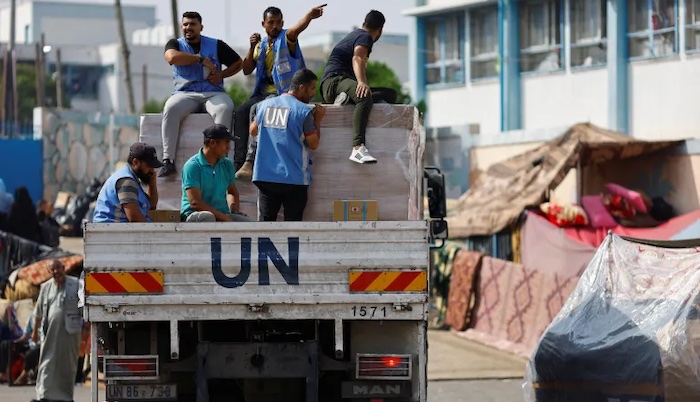
Humanitarian workers in eastern Democratic Republic of Congo are facing growing dangers as insecurity continues to surge across the region.
According to OCHA, the UN Office for the Coordination of Humanitarian Affairs, 48 incidents involving aid personnel were recorded in December 2025. Half of those occurred in South Kivu — ten more cases than in November.
North Kivu recorded the next highest number of incidents, followed by Ituri, reflecting the long-standing instability in the area. The provinces have for years been plagued by clashes between government forces, local militias, and armed groups competing for territory and resources, leaving civilians and aid workers increasingly vulnerable.
Most of the December incidents involved burglaries, thefts, and break-ins. However, aid workers have also faced movement restrictions, intimidation, threats, and physical assaults.
As a result of the deteriorating security environment, humanitarian teams are limiting travel, operations are being slowed, and many vulnerable communities are becoming harder to reach.
Despite the spike in South Kivu at the end of the year, North Kivu remains the most affected province in 2025, accounting for 46 per cent of all reported incidents, driven by shifting frontlines and a high concentration of humanitarian activity.
The rise in attacks underscores the fragile security situation in eastern DR Congo, where aid organisations continue to operate under constant risk while supporting millions affected by a protracted conflict.
Faridah Abdulkadiri
About the Author