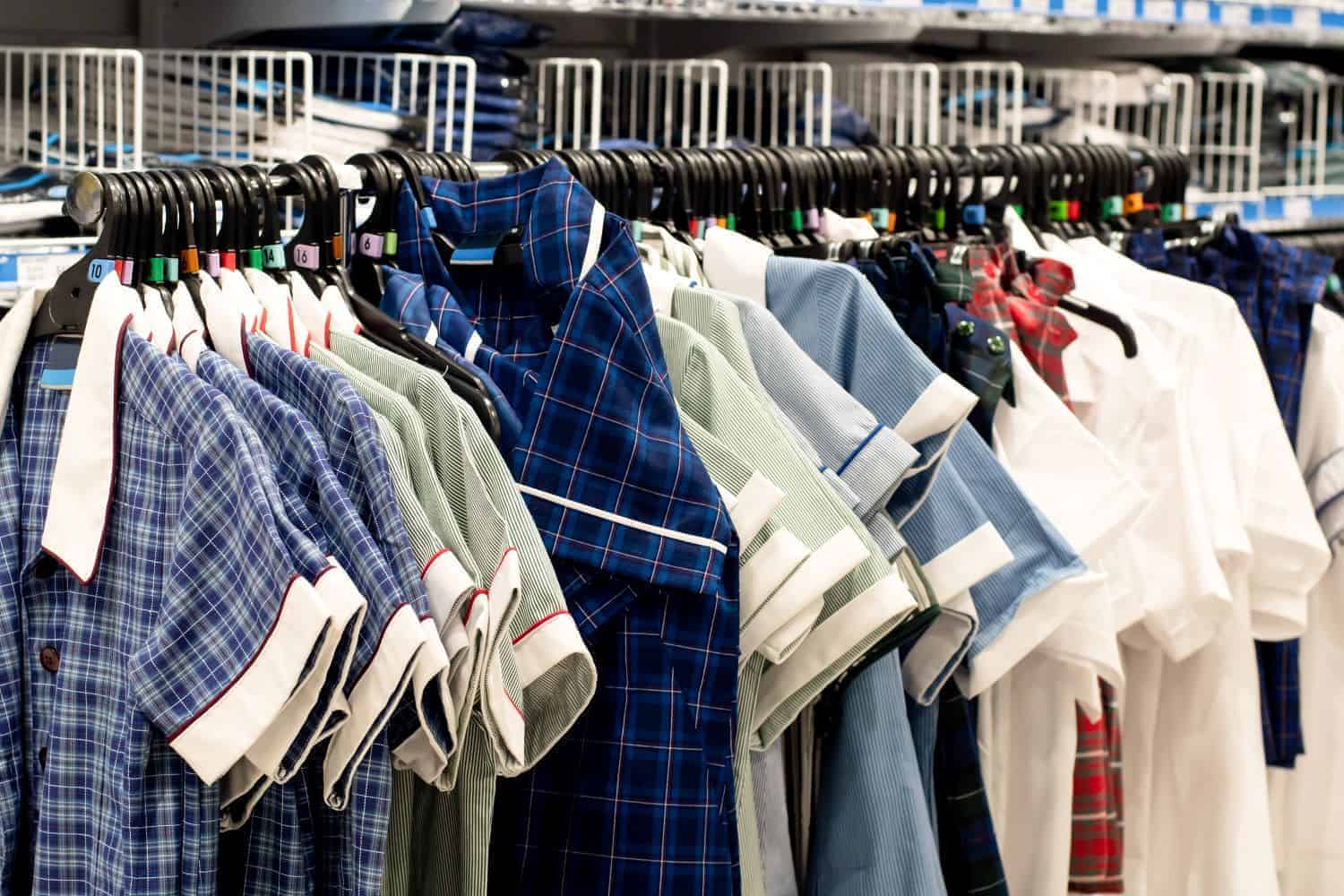
As the clock counts down to the start of the 2026 academic year, the African Transformation Movement (ATM) has called for a transformative shift in the school uniform provision model.
The party proposes leveraging the 13 million students who need uniforms each year to help tackle the country’s pressing issues of unemployment and poverty.
Thousands of learners are expected to return to the classroom when school reopens on 14 January 2026.
School uniforms
New learners starting their academic careers and those returning to school place tremendous pressure on parents, who must dig deep into their pockets for school fees, stationery, and other essentials.
Public schools require grey pants, shirts, blazers, and jerseys, while private and semi-private schools have branded uniforms unique to the school, which can cost thousands of rands.
Parents are also expected to fork out for other apparel for physical education and other activities.
ALSO READ: Back to School: Concerns raised about escalation of private school fees
‘Ward-based cooperative model’
ATM national spokesperson Zama Ntshona said the party is proposing the introduction of a “ward-based cooperative model” that empowers local communities to produce and supply school uniforms.
“This initiative aims to dismantle the oligopolistic structures that benefit only a few, ensuring broader participation in the economy. By facilitating local cooperatives to supply uniforms, we can stimulate economic activity in our communities, creating jobs and fostering self-sufficiency.
“Moreover, we advocate for a similar approach within the School Nutrition Program, which can also benefit from local cooperative involvement. This strategy will not only provide essential services but also ensure that economic benefits circulate within communities, alleviating poverty and reducing unemployment rates,” Ntshona said.
Branded uniforms
Ntshona said the current high costs associated with branded uniforms disproportionately affect families, especially those from marginalised backgrounds.
“By promoting generic uniform designs and allowing multiple suppliers, we can empower parents to make informed choices that do not compromise their financial stability.
“We recognise the Competition Commission’s efforts to regulate the school uniform market; however, ongoing monitoring and accountability are crucial. A newly developed monitoring tool in collaboration with the Department of Basic Education (DBE) must be effectively implemented to uphold compliance and combat anti-competitive practices whilst pursuing the ideal,” Ntshona said.
ALSO READ: Competition Commission’s school uniform guidelines changes a life
Uniform guidelines
In March 2023, the school uniform guidelines from the Competition Commission not only made it easier for parents to afford uniforms, but also benefited entrepreneurs who manufacture them.
That meant that parents could not be forced by a child’s school to buy school uniforms from specific suppliers to ensure more competition regarding price, and could shop around to find the best price.
Tribunal ruling
While there was still some confusion about whether the guidelines were enforceable, parents were advised to be aware that the consent agreement was an order of the Tribunal, which meant that it carried the same weight as an order of the High Court.
The ruling meant that suppliers had to ensure that any new supply agreements with schools did not contain a clause that appoints them as the sole stockist of school uniform items.
They also had to change existing supply agreements by adding a termination date of no later than five years after the agreement was signed.
Human rights
In March 2024, the South African Human Rights Commission (SAHRC) found that, in certain circumstances, school uniform and appearance policies infringe on pupils’ rights to dignity in South African schools.
Commissioner of the SAHRC Professor Tshepo Madlingozi presented the SAHRC School Uniform report’s findings and recommendations during a parliament briefing before the portfolio committee of Basic Education.
Black students
Commissioner of the SAHRC Professor Tshepo Madlingozi presented the findings of the SAHRC’S report on school uniforms and recommendations during a parliament briefing before the portfolio committee of Basic Education.
“After noting an increase in reports of alleged overregulation of the school uniform and appearances of pupils, the commission, through its Eastern Cape provincial office, resolved to not only further investigate these matters, but also host an inquiry into allegations of discrimination against pupils in this regard,” said Madlingozi.
During the inquiry, concerns were raised regarding gender-neutral policies, regulation of hairstyles, particularly for black students and the accommodation of cultural symbols.
NOW READ: School uniforms are breaking the budget
About the Author