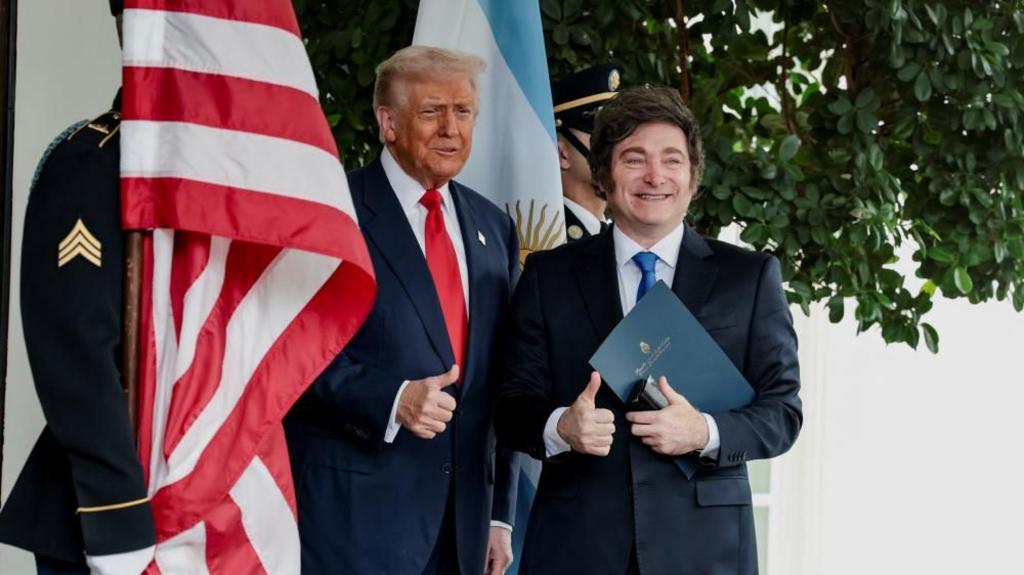
Argentina has formally completed its withdrawal from the World Health Organization, becoming one of the few countries to officially exit the global health body and aligning itself with the earlier decision taken by the United States.
The announcement was made by Argentina’s Foreign Ministry, which confirmed that the withdrawal process had been concluded in accordance with the timelines required under international treaty obligations.
Foreign Minister Pablo Quirno said the country would continue engaging in international health cooperation, but through bilateral partnerships and regional platforms that preserve national decision-making authority.
“Argentina will continue to promote international cooperation in health through bilateral agreements and regional forums, while fully preserving its sovereignty and its capacity to make decisions regarding health policies,” Quirno stated.
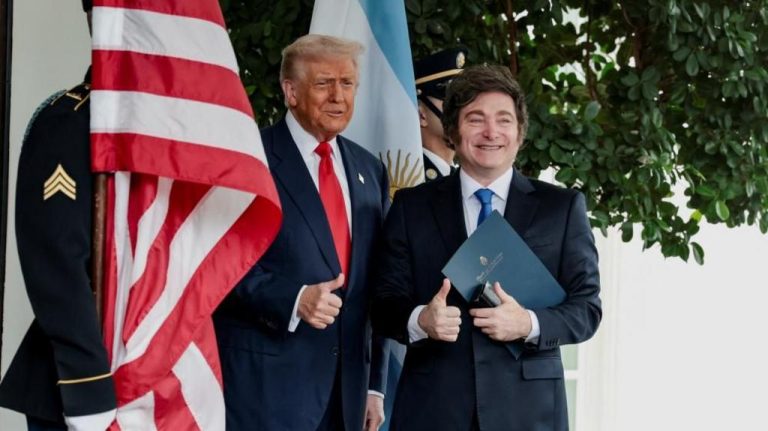
The administration of Javier Milei, a political ally of Donald Trump, had announced its intention to leave the WHO a year earlier, citing strong dissatisfaction with the organisation’s handling of the COVID-19 pandemic.
At the time, Argentine officials argued that the WHO’s recommendations were ineffective and influenced more by politics than by scientific evidence.
Growing Political Alignment With Washington
Argentina’s move mirrors the earlier withdrawal by the United States, which formally completed its own exit in January after Trump renewed his criticism of the organisation and signed an executive order to terminate U.S. membership following his return to office.
The WHO has historically played a central role in major global health campaigns, including the eradication of smallpox and international responses to diseases such as Polio, HIV/AIDS, Ebola virus disease, and Tuberculosis.
WHO Expresses Regret
Reacting to the U.S. withdrawal earlier this year, WHO Director-General Tedros Adhanom Ghebreyesus warned that such decisions could weaken global health coordination and increase risks for all countries.
He said the departure of major member states could undermine international preparedness against future public health emergencies.
About the Author