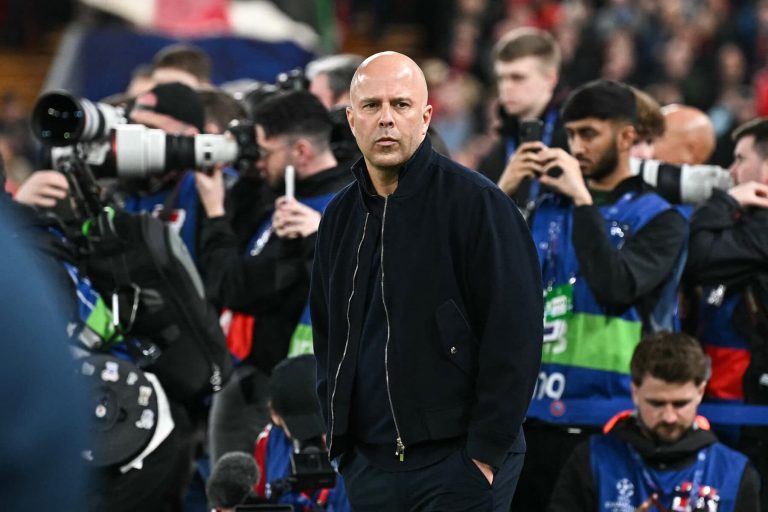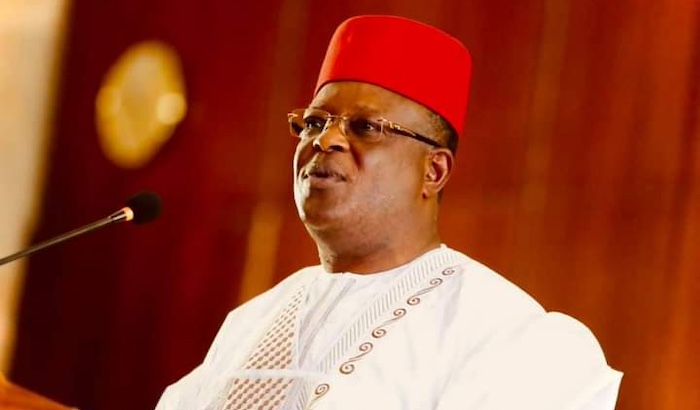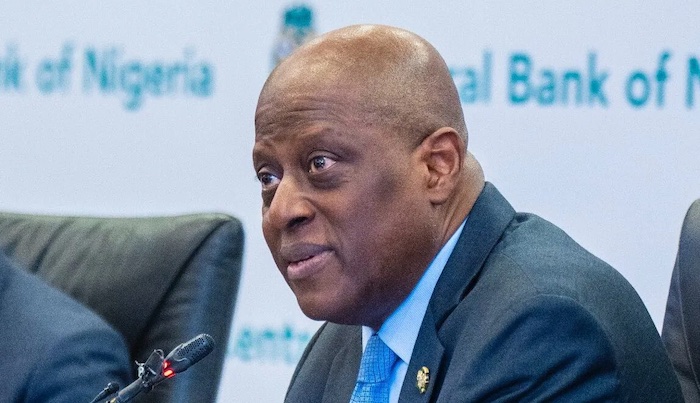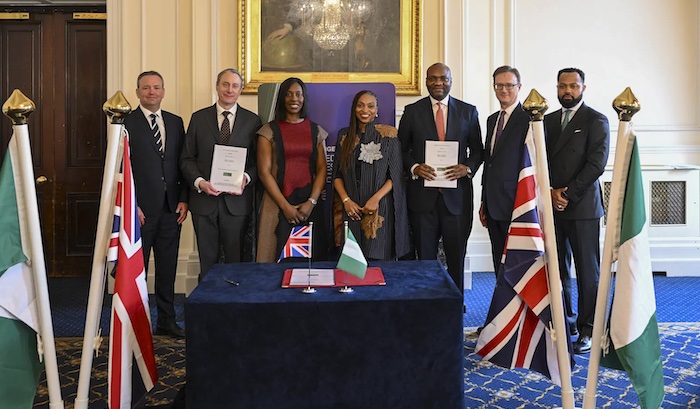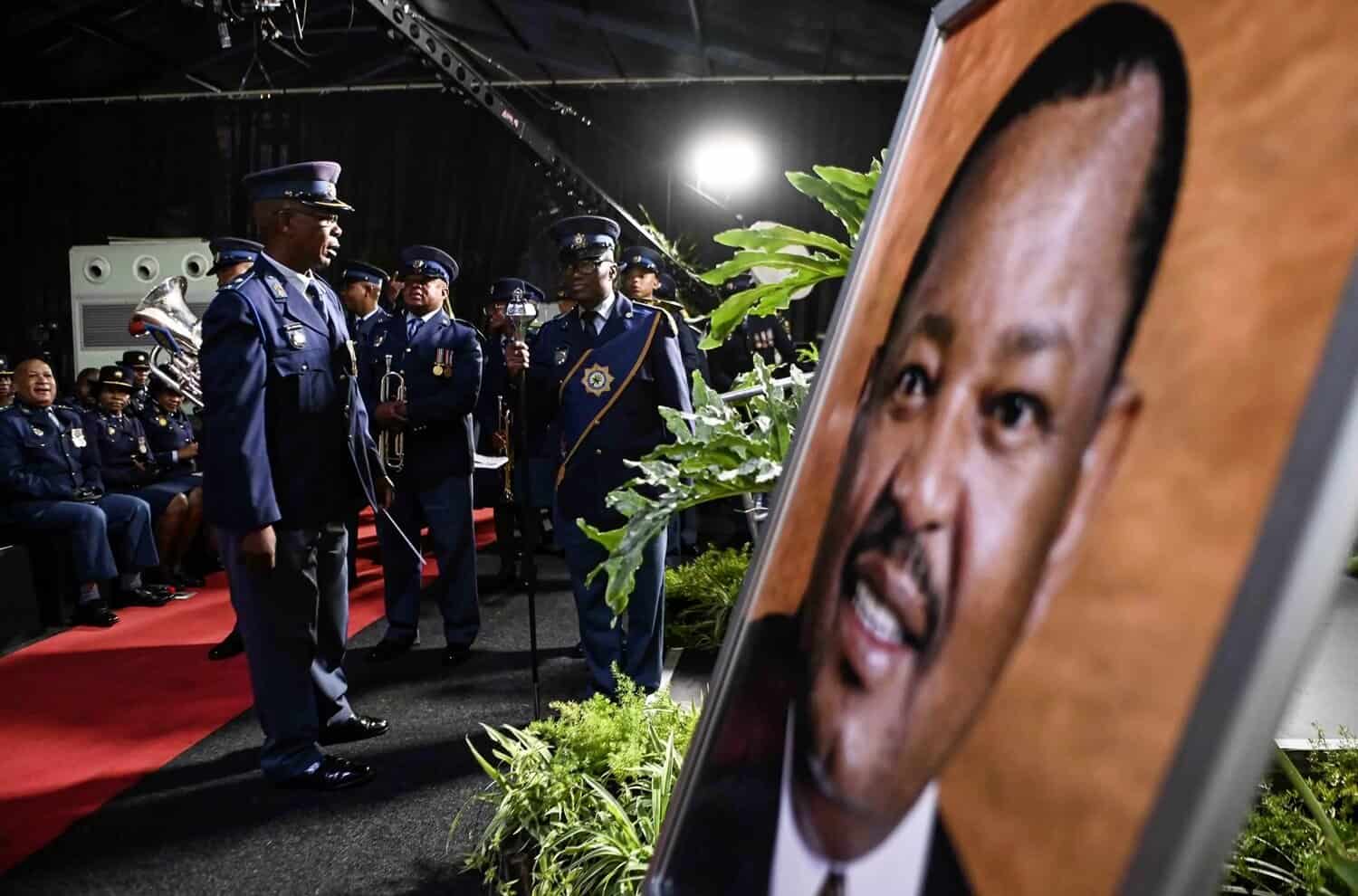
BLOEMFONTEIN, SOUTH AFRICA – MARCH 14: Friends, family and dignitaries attend the official funeral service of struggle veteran and COPE founder, Mosiuoa Gerard Patrick ‘Terror’ Lekota at the Old Grey Sports Club on March 14, 2026 in Bloemfontein, South Africa. Lekota, a veteran of the liberation struggle and inaugural Chairperson of the National Council of Provinces, passed away on March 4th at the age of 77. (Photo by Gallo Images/Volksblad/Mlungisi Louw)
The ANC surprised many by honouring Mosiuoa Lekota, the late president of the Congress of the People (Cope), with the dignity of a state funeral.
For a man who broke ranks with the ANC in 2008, this recognition was striking. It suggested that the party’s leadership can rise above its usual pettiness and factionalism.
I confess to being taken aback. The ANC of recent years has rarely inspired confidence. Compared to the humility and generosity of Nelson Mandela, Oliver Tambo, Walter Sisulu and Albert Luthuli, today’s leaders often appear vindictive and self-serving.
Yet, after Lekota’s passing, they set aside cynicism and treated him as one of their own.
The irony is sharp. Lekota “served divorce papers” to the ANC nearly two decades ago, ending a long association that began on Robben Island in the 1970s.
Like many in the Black Consciousness Movement, he eventually gravitated to the ANC, joining a stream of activists including Cyril Ramaphosa, Lindiwe Sisulu and Nkosazana Dlamini-Zuma who found the ANC’s liberation politics irresistible.
At Lekota’s funeral, ANC secretary-general Fikile Mbalula and Deputy President Paul Mashatile spoke glowingly of him, their words echoing the respect once reserved for struggle veterans.
President Cyril Ramaphosa went further, granting a state funeral and ordering flags to fly at half-mast. This was despite Lekota’s repeated accusations that Ramaphosa had betrayed him to the apartheid police – a claim never substantiated.
Ramaphosa’s gesture reflected statesmanship. You could be excused for thinking it was an ANC member’s funeral. This tolerance was not always the hallmark of the ANC.
Cope, like Bantu Holomisa’s United Democratic Movement, endured harassment as a breakaway party.
I witnessed Cope meetings disrupted in Orange Farm soon after its formation and, later, in Potsdam in the Eastern Cape.
Holomisa’s address in Mdantsane was interrupted simply because the township was deemed ANC territory.
Even the Pan Africanist Congress of Azania, too small to threaten the ANC, was barred from community halls. Political intolerance was the ANC’s reflex response in the early years of democracy and it was wrong.
By contrast, the EFF’s 2013 launch benefited from a more tolerant climate. Cope, born in 2008, was not so fortunate. Its rapid recruitment of ANC members provoked hostility and its leaders were treated as enemies.
This intolerance extended inward: ANC members who dared to dissent were sidelined from deployment, while loyalists monopolised positions for decades, becoming “permanent deployees” across state organs.
Tambo warned against such factionalism in exile, urging tolerance and openness to opposing ideas. His warnings went unheeded. Stories abound of ANC members hounded out of jobs or denied diplomatic posts or any deployment simply for belonging to the “wrong” faction.
Mzwandile Jongolo, for instance, was sidelined from a Buffalo City managerial position because he wasn’t aligned with the dominant faction.
Ndzipo Kalipa, a seasoned activist, trade unionist and trained diplomat, was overlooked for ambassadorial service in Denmark, while plum posts went to the politically connected. There were individuals shamelessly targeting people after Polokwane and this has to stop.
So, the ANC’s dignified treatment of Lekota stands out. It was atypical of the post-Polokwane leadership, which has often been defined by vindictiveness. In a political culture scarred by factionalism, this rare moment of magnanimity deserves notice.
About the Author