The integrity of global football faces a persistent threat as instances of match manipulation continue to rise, implicating a growing number of athletes, technical staff, and match officials across various international divisions. Defined as the illicit and intentional interference with a sporting contest to ensure a specific conclusion, match-fixing typically involves a shadowy network of collaborators. The primary motivation behind these conspiracies is almost exclusively financial gain through unregulated betting markets, where guaranteed outcomes provide a windfall for those orchestrating the fraud.
As a result, governing bodies such as the Federation of International Football Associations (FIFA) and the Confederation of African Football (CAF) have maintained a stance of absolute zero tolerance. Both organizations have consistently issued stern directives to stakeholders, highlighting that such actions are treated as grave criminal offenses. Beyond the destruction of a sport’s reputation, those found guilty face severe judicial consequences and permanent expulsion from all football-related activities. Despite these rigorous warnings, the scandal has hit close to home for the Nigerian national team following recent developments in the Tanzanian Premier League.
“Match-fixing in sports, particularly in football, has become more common among professional football players, coaches and match officials across different leagues in the world. Match-fixing has to do with the illegal act of deliberately manipulating the outcome of a sporting event to achieve a predetermined result.”
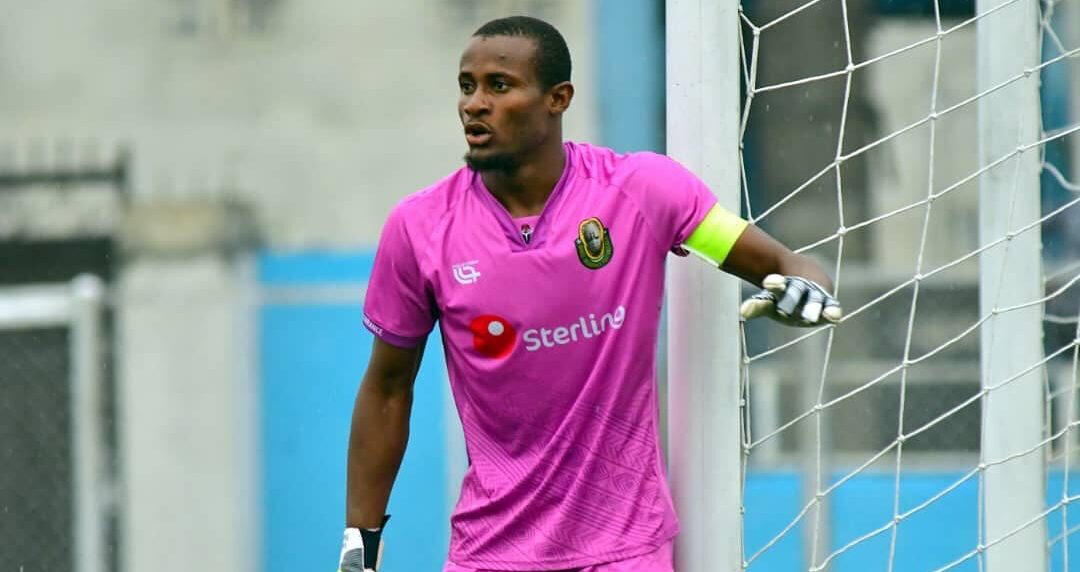
Super Eagles shot-stopper Amas Obasogie has found himself at the center of a developing controversy involving Singida Black Stars SC. The Tanzanian outfit announced last Friday that they have handed the 26-year-old goalkeeper a three-month suspension. This disciplinary measure was implemented to facilitate a comprehensive inquiry into claims regarding his alleged role in a match-fixing scheme. Obasogie, who gained prominence as part of the Nigerian squad that secured bronze at the 2025 Africa Cup of Nations, arrived in Tanzania last year following a stint with Fasil Kenema in Ethiopia.
“This might involve collusion among players, coaches, or officials, as the main goal is often to profit from illegal gambling activities, as the fixed outcome ensures that bets placed on that result are guaranteed to win for the conspirators. Match-fixing remains one of the most sensitive issues in global football, and it is considered a serious crime in most jurisdictions and can lead to legal penalties for those involved, including bans from the sport.”
In the wake of the club’s announcement, the Nigerian international has moved quickly to defend his professional reputation. On Saturday, Obasogie issued a firm rebuttal of the charges, maintaining his innocence and expressing a resolute commitment to vindicating himself through the formal investigation process. As the footballing community awaits the findings of the Singida Black Stars’ internal probe, the case serves as a sobering reminder of the ongoing battle to keep the beautiful game free from the influence of illegal syndicates.
About the Author