An APC chieftain and Executive Secretary of the National Institute of Cultural Orientation (NICO), Otunba Biodun Ajiboye, has dismissed criticisms of President Bola Tinubu’s administration, insisting Nigeria’s current economic and social challenges are the result of long-standing systemic failures predating the present government.
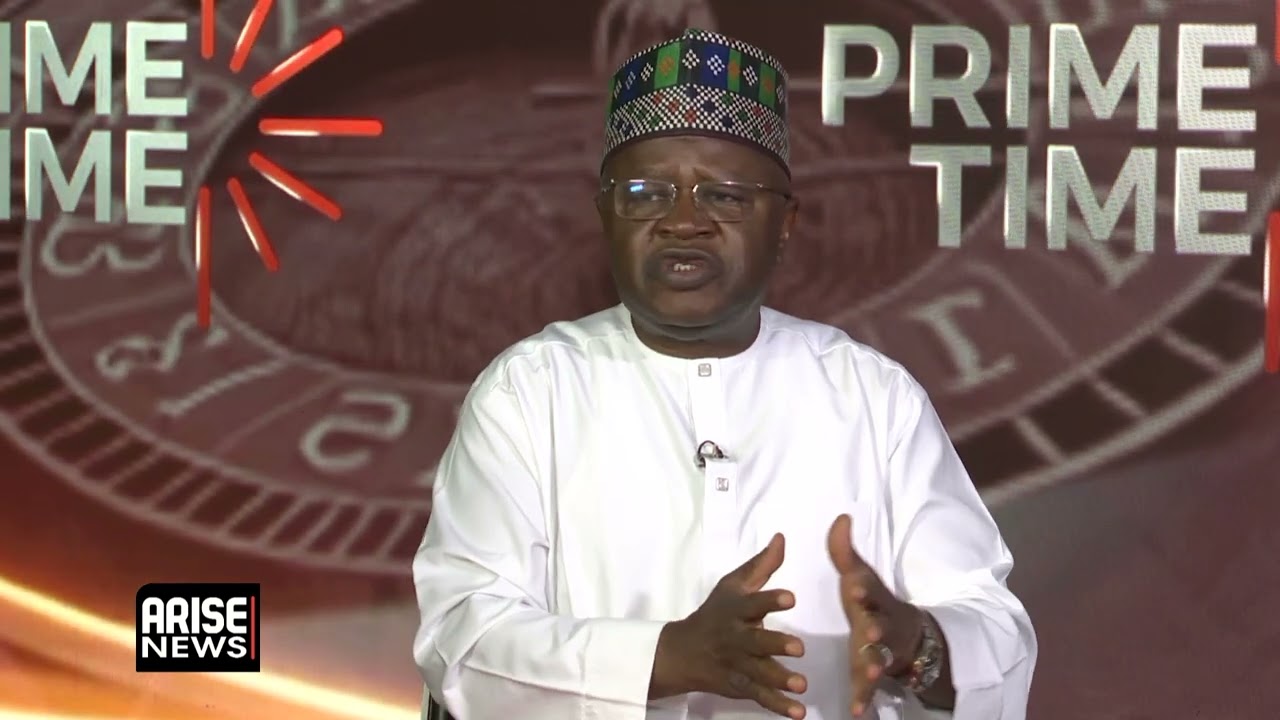
Speaking in an interview with ARISE News on Tuesday, Ajiboye described claims that the Tinubu administration has worsened poverty, unemployment and insecurity as “extremely insincere,” arguing that the country’s economic collapse did not occur overnight.
“A country as beautiful as Nigeria does not collapse in a day. Let us trace the history of this collapse by successive governments,” Ajiboye said.
He argued that the scale of Nigeria’s current difficulties reflects years of fiscal mismanagement, including excessive money printing, oil forward-sales and policy distortions inherited by the current administration.
“If as at May 2023 we had printed over ₦30 trillion, what were we expecting to happen afterwards? If people sold oil that was still in the ground and printed money indiscriminately, what did they expect the aftermath to be?” he asked.
Ajiboye said the economic reforms introduced by the Tinubu administration were unavoidable, stressing that the country was approaching total collapse before corrective measures were taken.
“If the reforms had not come, what do you think would have happened by now? We were heading towards a Sri Lanka-type situation. You cannot clean up that mess in two years. What miracle are you expecting?”
Responding to criticism over inflation and rising living costs, Ajiboye maintained that economic missteps often take time to manifest and cannot be blamed solely on the current government.
“Problems don’t show immediately. They manifest later. When you print money recklessly or mismanage oil revenue, the effects come later, and someone else is blamed for it.”
He rejected suggestions that President Tinubu’s policies target the poor, particularly on tax reforms, insisting the reforms are designed to strengthen state capacity and revenue generation.
“There is nothing in the tax reform that seeks to hit the poor. If you drive a Rolls-Royce and don’t pay tax, that is part of the problem. One of the things that destroyed Sri Lanka was tax cuts that denied government revenue.”
Ajiboye also highlighted what he described as tangible achievements of the administration across key sectors, including agriculture, education, health and transportation.
“Over 2,000 tractors have been brought in for agriculture. Student loans are being disbursed. Dialysis is free in some government hospitals. Gas-powered vehicles have been introduced to ease transportation challenges.”
He accused opposition figures, particularly members of the ADC coalition, of hypocrisy, arguing that many were part of previous administrations that created the problems now being criticised.
“The mess we are seeing did not start today. Many of those shouting now were prominently part of it. Bring them out one by one and I will tell you the role they played.”
Ajiboye also defended President Tinubu’s frequent foreign trips, saying international engagement is critical to economic recovery and investment inflows.
“You cannot run a country sitting in one place. To run a good economy, you need allies. I was with him in Brazil. I know the strides we took. He is in Abu Dhabi and investments are coming in.”
On insecurity, Ajiboye credited Tinubu’s diplomatic handling of international concerns for improved military cooperation with foreign partners.
“It took intelligence to turn those allegations into negotiation. The Americans came, investigated and are now supporting us. That is leadership.”
He concluded by insisting that the administration is tackling Nigeria’s problems at their roots rather than applying short-term fixes.
“You don’t treat malaria by managing symptoms. You eliminate the mosquitoes. Until you solve the fundamental problems, the symptoms will keep rattling you.”
Boluwatife Enome
About the Author