Excerpt: African parliamentarians pledge accountability and inclusion to deliver water and sanitation to communities, ensuring policy translates into real impact.
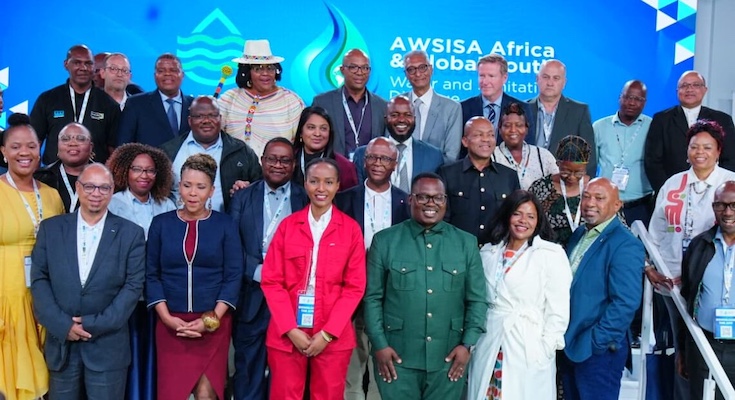
African parliamentarians, civil society representatives, and development partners have pledged to transform commitments on water and sanitation into tangible results for communities across the continent, during the Renaissance Dialogue on Water and Sanitation in Dakar.
The event was organised by African Renaissance on the sidelines of the High-Level Preparatory Meeting for the 2026 United Nations Water Conference.
The dialogue highlighted the human cost of Africa’s water and sanitation crisis. Mylande Edoun Odjo of the African Renaissance Trust said:
“In Africa, the water and sanitation crisis is often reduced to numbers. Yet behind these statistics lie human realities—women walking long distances to access water, children deprived of schooling, communities exposed to preventable diseases, and local economies held back.”
Odjo explained the central aim of the Dialogue:
“The Dialogue was designed to address a critical question: how can dialogue be translated into impact, for the direct benefit of African populations?”
She emphasised that what set this Dialogue apart was not only the diversity of stakeholders but also its strategic architecture. Parliamentarians, civil society actors, and technical partners were brought together around a shared responsibility to ensure commitments on water and sanitation reach the communities that need them most.
“The Dialogue repositioned parliamentarians as agents of change, capable of turning political commitments into concrete results through budget oversight, accountability, and engagement with citizens,” Odjo said.
A key component of the discussions was the GEYSI approach—Gender Equality and Social Inclusion—advocated by African Renaissance. According to Odjo:
“This approach makes inclusion an operational lever, integrated from the policy design stage through resource management and the measurement of impact on the ground. It ensures that investments respond to the lived realities of women, youth, rural populations, and communities most exposed to climate change.”
The event culminated in the adoption of the Dakar Consensus, through which participating parliamentarians made measurable commitments. Odjo explained:
“They pledged to strengthen oversight of the execution of budgets dedicated to water and sanitation, ensure effective follow-up of policies beyond their adoption, and align national actions with continental and international frameworks.”
She outlined the tangible impact for African communities:
“When accountability improves, water reaches communities. When parliaments are committed, budgets deliver results. When inclusion is built in from the design stage, communities benefit sustainably.”
The Dialogue, Odjo said, represents a strategic turning point for Africa:
“The Renaissance Dialogue marks a move from fragmented initiatives to coherent and effective systems, in the service of African populations.”
Participants also highlighted ongoing challenges, including underfunded infrastructure, poor oversight, and gaps in access to water and sanitation. Odjo warned:
“The collective impact of these efforts depends on sustained engagement and accountability. Only then can the promises of policy translate into meaningful outcomes for women, children, rural populations, and those most affected by climate change.”
The Dakar Dialogue established a direct link between local realities, African priorities, and the continent’s contribution to the 2026 United Nations Water Conference. It reaffirmed the role of parliamentarians as key agents of change, capable of ensuring that political commitments result in real benefits for African populations.
Boluwatife Enome
About the Author