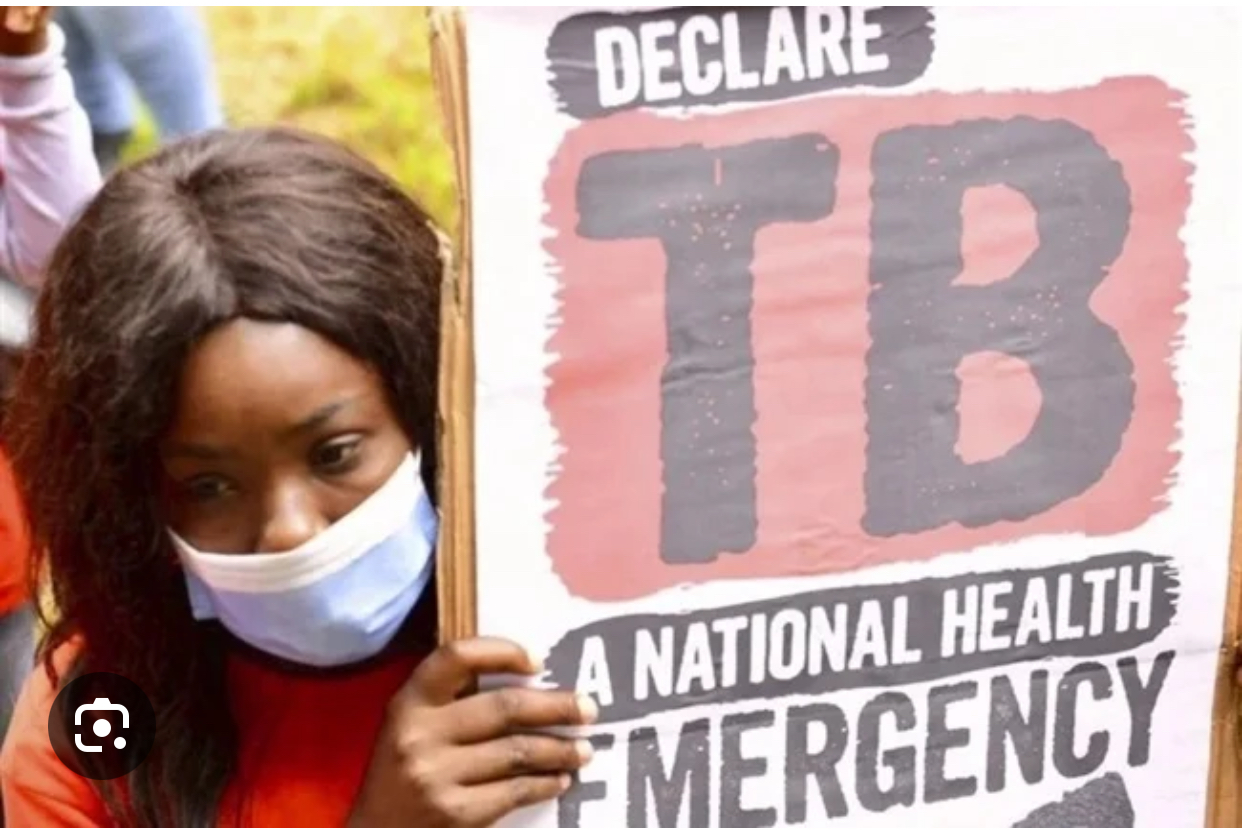
Africa remains a hotspot for Tuberculosis (TB), accounting for roughly 25 per cent of global cases, the World Health Organization (WHO) has revealed, warning that persistent gaps in diagnosis, access to treatment, and funding continue to undermine progress across the continent.
According to WHO data released ahead of World TB Day 2026, 378,000 people in the African region died from TB in 2024, while 2.7 million were newly infected.
WHO Regional Director for Africa, Mohamed Janabi, described the figures as both concerning and instructive, noting that they highlight ongoing challenges in delivering timely diagnosis, effective treatment, and adequate resources.
“While Africa has made significant strides in expanding access to care and rolling out innovative treatment regimens, these gains are uneven, and many remain undiagnosed or untreated”, Janabi said.
The agency highlighted progress in tackling drug-resistant TB, with the six-month all-oral BPaLM regimen achieving over 85 per cent success, and rapid diagnostic technologies helping detect cases earlier. However, about 600,000 people with TB in Africa are still not receiving proper treatment, and just over half of patients have access to WHO-recommended rapid tests.
“Stronger country leadership, adequate financing, and community-driven interventions are critical if we are to reduce deaths, expand treatment, and eliminate catastrophic costs by 2027”, he added.
Janabi also warned that TB continues to impose severe financial strain on affected households, with nearly 70 per cent facing catastrophic care costs, and called for increased domestic funding and political commitment to sustain and accelerate progress toward TB elimination.
About the Author