African policymakers, scholars, and development experts are intensifying calls for sweeping reforms to the global financial system and international aid architecture, arguing that current models are outdated, inequitable, and increasingly misaligned with the continent’s development ambitions.
The discussions, reflected in key 2026 policy forums and academic panels, highlight growing dissatisfaction with institutions established under the 1944 Bretton Woods framework.
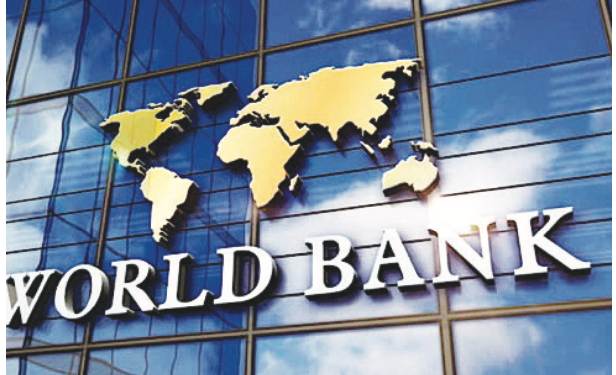
Originally designed by industrialised powers, these institutions—including the International Monetary Fund (IMF) and the World Bank are now being criticised for failing to adequately serve the interests of emerging economies, particularly in Africa.
Despite holding vast natural resources critical to the global energy transition and maintaining one of the fastest-growing populations in the world, African countries continue to face disproportionately high borrowing costs and limited influence in global financial decision-making.
Analysts argue that this imbalance has left governments across the continent grappling with difficult choices between servicing external debt and funding essential public services such as healthcare and infrastructure.
The debate has gained urgency amid shifting geopolitical dynamics and what experts describe as a gradual erosion of the post-World War II rules-based order.
Increasingly, global powers are seen to be adopting transactional approaches to international engagement, a trend that is reshaping both financial cooperation and peacebuilding efforts across Africa.
Nowhere is this tension more evident than in the Democratic Republic of Congo, where a fragile, dual-track peace process has raised complex questions about sovereignty and external influence.
Agreements brokered under significant military and political pressure have tied security arrangements to access to mineral resources, sparking concerns about long-term national autonomy and the sustainability of such deals.
Observers warn that while these arrangements may provide short-term stability, they risk entrenching dependency and undermining domestic legitimacy if not carefully managed.
The situation has become emblematic of broader challenges facing African states navigating a global system where traditional safeguards are weakening. At the same time, the international aid landscape is undergoing its own transformation.
Significant funding cuts and the abrupt termination of major development programmes in 2025 have exposed vulnerabilities in sectors such as health and education, prompting renewed calls to rethink the model of official development assistance.
Experts are increasingly advocating for a shift from donor-recipient dynamics toward partnership-based frameworks that emphasise shared value, local ownership, and sustainability.
This includes leveraging both public and private financing, as well as strengthening collaboration between international institutions and domestic actors. Another critical dimension of the ongoing discourse is the role of youth in shaping Africa’s policy future.
With more than 60 per cent of the continent’s population under the age of 25, there is growing pressure to bridge the gap between youthful demographics and traditionally older political leadership structures.
Policy forums are now exploring mechanisms to enhance youth participation beyond symbolic engagement, including institutional reforms, leadership training, and the use of digital platforms to amplify young voices in governance processes.
As these conversations gain momentum, a central theme is emerging: Africa is no longer content to operate within systems designed without its full participation. Instead, leaders and thinkers are increasingly pushing for a reimagined global order—one that reflects current realities, prioritises fairness, and enables the continent to fully harness its economic and demographic potential.
The outcome of these debates could have far-reaching implications, not only for Africa’s development trajectory but also for the future of global cooperation in an era marked by uncertainty and transformation.
atiluknathan@gmail.com