Major step positions Namibia as Africa’s green hydrogen trailblazer
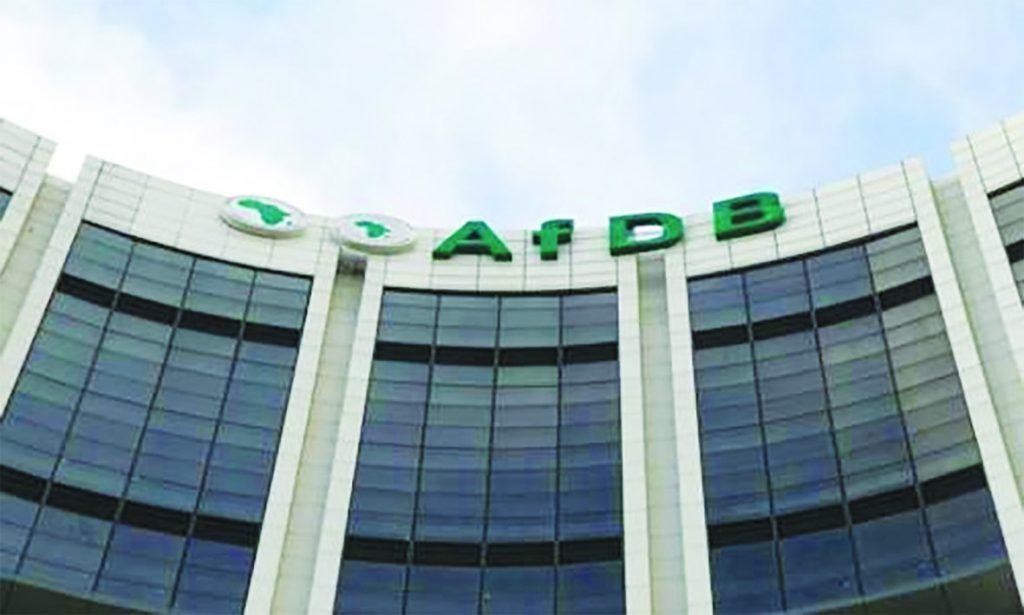
The African Development Bank (AfDB) has approved a $10 million loan for Hyphen Hydrogen Energy, giving fresh momentum to Namibia’s multibillion-dollar green hydrogen and ammonia ambitions. The funding, sourced from the Sustainable Energy Fund for Africa (SEFA), is intended to advance project design work for what is set to become one of the world’s most transformative renewable energy developments.
According to a statement issued by the APO Group on Wednesday, the loan will support a wide range of front-end engineering design (FEED) activities, including solar and wind power generation plans, battery energy storage systems, electrolyser capacity, and desalination infrastructure. These studies are expected to de-risk the project and open the door to the billions of dollars in financing required for full-scale construction.
SEFA, an AfDB-managed multi-donor fund provides catalytic financial support designed to accelerate private investment in clean energy. By offering concessional funding and technical assistance, the fund aims to strengthen the renewable energy pipeline across Africa and improve investment viability for large-scale projects like Hyphen’s.
A Landmark Renewable Energy Buildout
Hyphen’s project is designed to leverage Namibia’s world-class solar and wind resources. The first phase alone features 3.75 gigawatts of renewable power, large-scale battery storage, and 1.5 gigawatts of electrolyser capacity, supported by new desalination plants, pipelines, transmission lines, and upgraded port facilities.
Once operational, the project is expected to deliver 2 million tonnes of green ammonia annually, primarily for export to global markets pursuing low-carbon fuels. It is also backed by a 40-year concession agreement that includes a comprehensive socio-economic development plan for local communities.
Massive Climate and Development Gains
The project is projected to offset 5 million tonnes of CO₂ emissions each year, comparable to removing more than one million cars from the road. It will also deploy 7.5 GW of renewable energy capacity, exceeding Namibia’s current installed capacity by more than a factor of ten.
Beyond its climate benefits, Hyphen will supply 3 million litres of desalinated water daily to the water-scarce town of Lüderitz in southern Namibia.
Strong Endorsement From AfDB
Moono Mupotola, AfDB Country Manager for Namibia and Deputy Director General for Southern Africa, described the initiative as transformational:
“This is about far more than energy infrastructure. It is about demonstrating Africa’s capacity to lead the global energy transition, create quality jobs for our youth, and build prosperity while protecting our planet.”
Hyphen CEO Marco Raffinetti welcomed the approval, calling it a significant vote of confidence in both the company and Namibia’s broader green hydrogen agenda. The facility, he said, will help fund the technical design phase as the project advances toward a final investment decision.
Daniel Schroth, Director for Renewable Energy and Energy Efficiency at the AfDB, emphasized SEFA’s strategic role:
“SEFA’s intervention is catalytic. By supporting these essential pre-investment activities, we are unlocking billions in project financing. This is a high-impact development project.”
Job Creation and Continental Impact
Construction is expected to generate 15,000 jobs, with a further 3,000 permanent positions once operations begin. Ninety percent of all roles will be reserved for Namibians, and at least 20 percent specifically for youth, an important milestone for a country grappling with youth unemployment above 38%.
The Hyphen project is a cornerstone of Namibia’s Southern Corridor Development Initiative and is widely viewed as a potential model for other African nations endowed with abundant renewable energy resources.
About the Author