Amid renewed controversy over a staff audit report claiming over 8,000 ghost workers in Osun State, Governor Ademola Adeleke has welcomed the involvement of the EFCC and ICPC to scrutinize the findings.
The report, submitted on June 27, 2024, by consulting firm Sally Tibbot Limited, had alleged the existence of 8,452 ghost workers within the state’s public service. The firm later criticized the state government for failing to implement its recommendations and for constituting a committee that questioned the validity of the audit, while also highlighting the N600 million cost of the exercise.
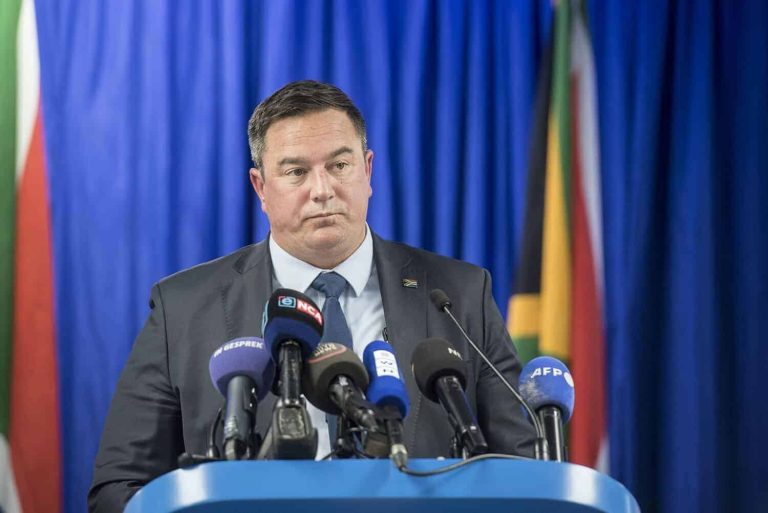
Reacting to the controversy, Governor Adeleke, through his spokesperson, Olawale Rasheed, said both anti-corruption agencies are free to review the audit report. He emphasized that any review would focus on the payroll and personnel records inherited from the previous Oyetola administration.
“Our administration has not expanded the payroll or personnel structures left by the last administration. The audit conducted by the consultant relates solely to the Oyetola-era records”, Rasheed said.
Adeleke defended his decision not to implement the consultant’s recommendation to lay off legitimate workers, describing it as a move to prevent potential fraud while cleaning up the system.
“We welcome the EFCC and ICPC’s review of the audit report. Let the previous administration’s officials prepare for the exercise”, the governor stated.
Earlier, the state Commissioner for Information and Enlightenment, Kolapo Alimi, dismissed allegations by Sally Tibbot Limited suggesting a cover-up of ghost worker findings. He described the consultant’s media briefing as a subtle attempt to pressure the state into accepting a fraudulent report.
The government highlighted that a re-verification exercise revealed significant inflation in the number of alleged ghost workers. Many individuals labeled as “ghost workers” were confirmed to be legitimate employees of the state.
“The government even offered to provide proof of employment for the 1,316 individuals that were allegedly missing, but the company did not request it or confirm acceptance for payment”, the statement read.
Alimi added that the consultant’s payment structure, based on claimed payroll savings, appeared to incentivize exaggeration, and noted procedural flaws during the audit, including exclusion and mistreatment of staff.
“The entire process raised serious questions about the motivations behind the audit and the conduct of the consultant”, he said.
Governor Adeleke’s administration maintains that it is committed to transparency and accountability while protecting legitimate public servants from unfair treatment.
About the Author