South Africa is at war, and officials just don’t care.
A shooting in Delmas, Mpumalanga recently confirmed what many of us had predicted but feared for a long time: a war on water had turned deadly.
Residents have long been frustrated with a lack of water in their taps. Outages across the country have led to angry WhatsApp messages, protests, and even threats against councillors. Several community leaders have shared with me that they live in fear for their lives because residents want answers, and government officials can’t be bothered to give them.
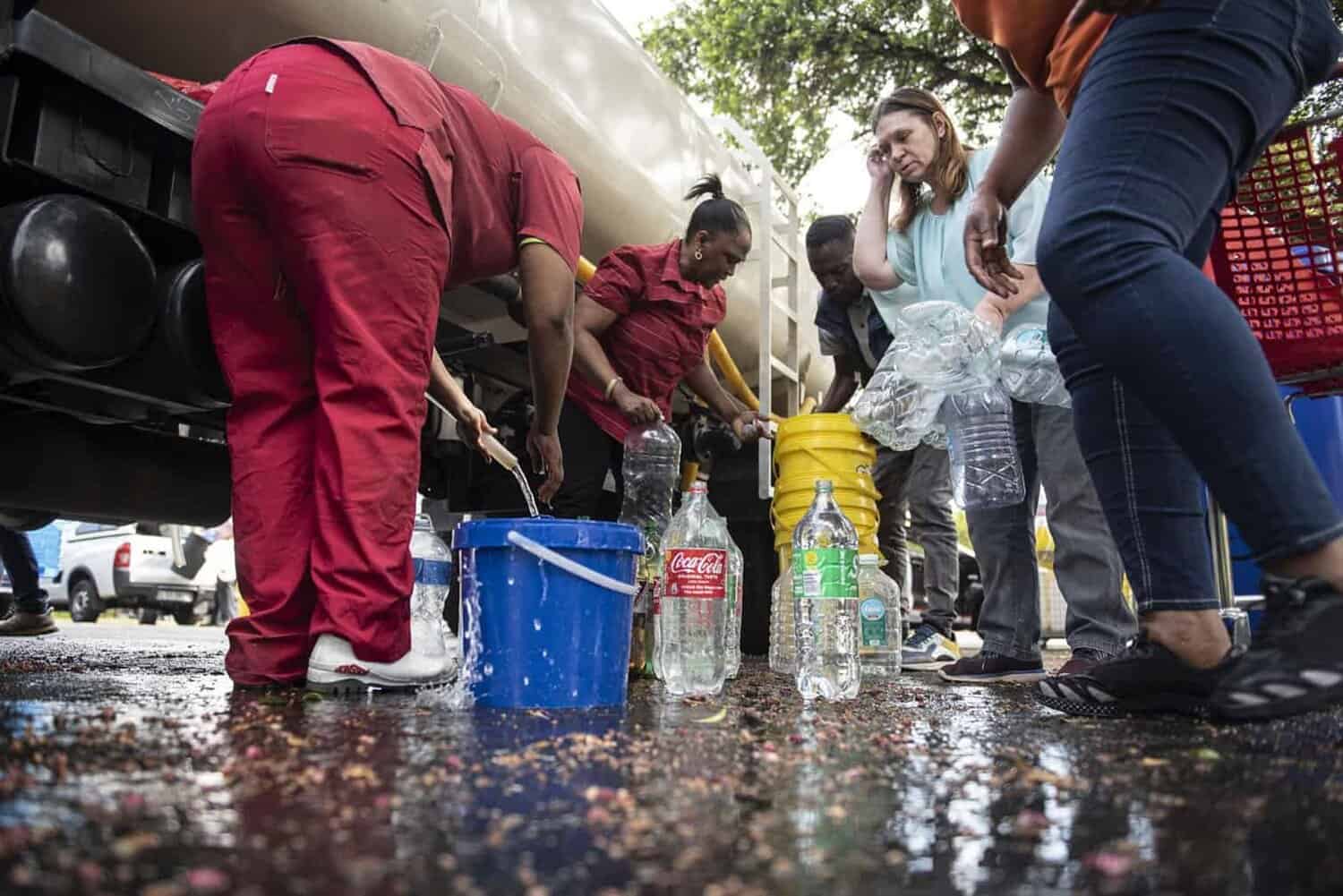
Municipalities and water utilities’ cold ‘we apologise for the inconvenience’ messages and sporadic water tanker support just make residents’ blood boil more, and now they are taking it out on each other. There are physical fights at water collection sites, and battle lines are being drawn.
Civil society group WaterCAN grimly concluded this week that “In Johannesburg, people are already living Day Zero”, a reference to a point where water is largely not available, and external sources are needed to keep people from dying of thirst.
ALSO READ: A VIEW OF THE WEEK: Who you trust, or don’t, may kill you
Passing the blame
The SA Human Rights Commission noted that the right to access sufficient water is guaranteed in the constitution, but those responsible for providing it seem to forget this. Instead, they are preoccupied with blaming each other. All this, while some of their officials are complicit in major corruption.
In Johannesburg, the frosty relationship between Joburg Water and its supplier, Rand Water, could host a Winter Olympics. The only time we hear from Joburg Water is when it wants to pat itself on the back for something it should be doing all along, or to blame Rand Water for something. The provincial bulk supplier, in turn, seems aloof from all responsibility and is too quick to blame Joburg Water and other municipalities for failures.
The department also refuses to accept accountability, hiding behind the claim that it cannot directly interfere in municipalities’ work and offering only vague advice and assistance, while suggesting this is being ignored.
They rush to blame each other to hide their own role in the crisis, and only unite for one thing: to blame residents for wanting access to water.
The facts are that more than enough water is available, but it is being lost to leaks and overconsumption. Pointing this out does not suddenly fix the problem and make any utility the hero. Residents want to know what is being done to remedy this. Fixing pipes? Maintenance? Bylaw enforcement?
ALSO READ: A VIEW OF THE WEEK: SA’s faceless and crumbling future
Government can intervene … but does it want to?
The crisis has grown too large for municipalities alone to handle, even if they have to carry a large share of the blame. It does not help to point fingers to absolve yourself because South Africans can only drink water, not excuses. They want the crisis addressed, and that needs all layers of government involved.
The department needs to be more proactive. If they are being ignored, they should take matters into their own hands. Section 139 of the constitution allows provincial intervention in local government services to “maintain essential national standards or meet established minimum standards for the rendering of a service”. Section 100 further allows the national government to take the baton from them and take over the services.
It is a process, but one that may be needed if the government is serious about the crisis.
ALSO READ: A VIEW OF THE WEEK: G20? Rather roll out the red carpet for the fixers of our own problems
Ramaphosa scared of water tanker mafia?
The crisis may also be the result of direct sabotage that enables a water tanker mafia to profit through corruption.
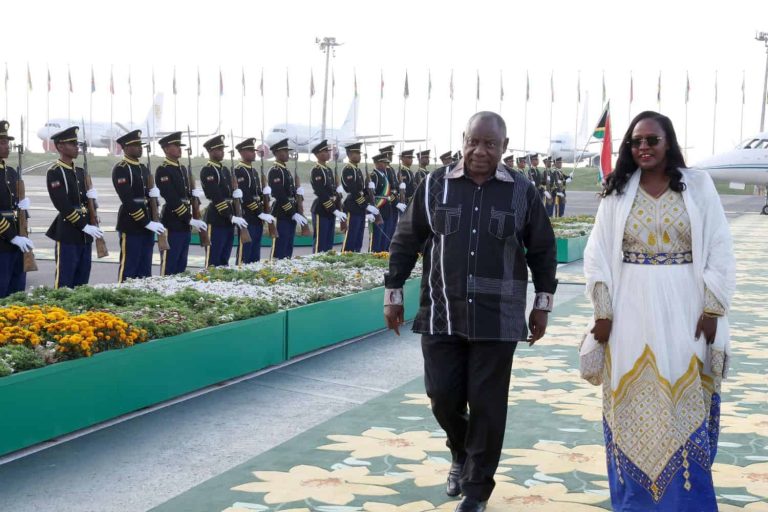
This is not speculation or conspiracy. It was acknowledged by President Cyril Ramaphosa. Sadly, that was nearly a year ago and the interventions he put forward seem to have been thrown away with the paper the speech was printed on.
Ramaphosa faces many potential flashpoints that could throw the country into serious disarray, from an underfunded and demoralised military to feuding illegal miners operating underground while he fails to govern above ground.
Water is one he cannot run away from or rinse his hands of the responsibility.
NOW READ: A VIEW OF THE WEEK: It helps to be friends with Helen
About the Author