Growing up, there was a garden that ran along the wall and took up much of the backyard. It annoyed me because it left only a small patch of grass to play on. There was also a cupboard filled with old cans and a few cobwebs, which looked as if it might have been used as a bunker in the First World War.
These were part of our family’s meagre attempt at food reserves. Perhaps it came from a fear of a civil war which loomed as Apartheid drew to an end, or a practice passed down from a generation before where times were tough, money was tight, and dinner was far simpler and more bland.
And while I can thank the ANC for their role in preventing a war that would have forced us to turn to our food reserves, I have less confidence in it now.
The distance between Johannesburg and Tehran, the capital of Iran and epicentre of the current Middle Eastern war, is more than 7 200 km, but the shockwaves have been felt at the bottom of Africa.
But why is a conflict so far away causing a tsunami threatening to engulf the world in a crisis as devastating as the Covid-19 pandemic of six years ago? It’s because while America and its ally Israel went after military targets, Iran went after economies.
Second only to guns, America loves to economically strangle countries through sanctions. Iran took that to the next level.
When an Iranian drone hit the largest oil refinery in the Middle East, and one of the largest in the world, this week, it shut down operations and sent a message about its intentions. Attacks on energy fields, airports, and tourist hotspots in the Gulf region were meant to cripple the economic lifeblood of its neighbours.
This, along with control over the Strait of Hormuz, which handles between 20% and 25% of global oil consumption, means Iran is halting trade and the export of vital resources.
ALSO READ: A VIEW OF THE WEEK: Are they really on site investigating?
Squandered reserves
The US may find that initial support for the war turns when supporters face food and fuel shortages. Global markets have already started to shake, with rapid inflation and unemployment almost certain to follow. In short, life is about to get a lot harder for us all.
That is why reserves are so important, and something the ANC-government largely squandered.
In a similar Middle Eastern war more than 50 years ago, South Africa, like much of the world, faced fuel rationing and food shortages due to oil restrictions. It was able to cushion some of the blow with our own reserves.
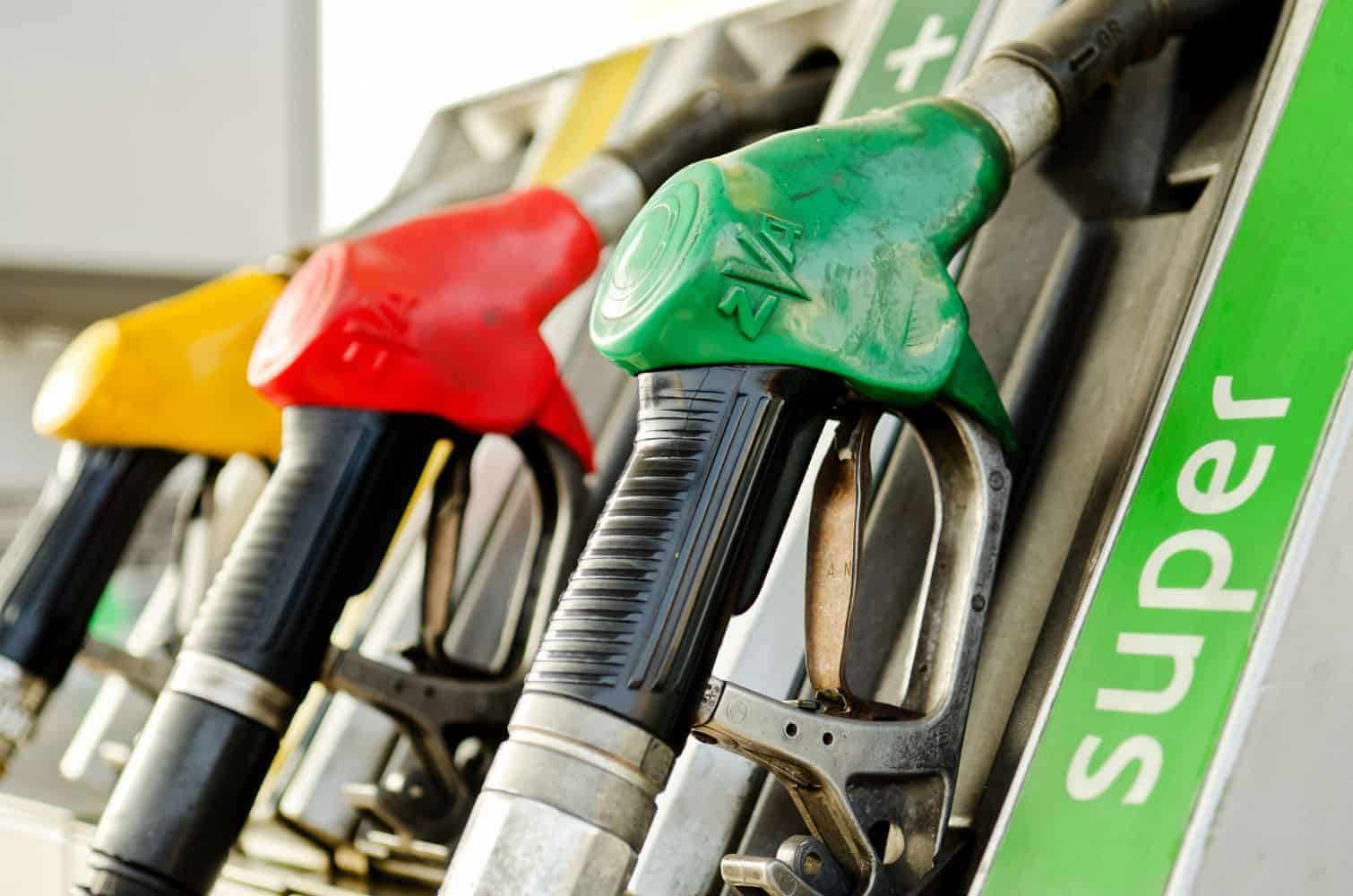
Oil production would ramp up after the 1973 oil crisis and sanctions, and we now have far more capacity to produce and store fuel than we had before. But the reality is that we still import around 70% of the oil we need and have around 10% of the reserve we had in 1973.
One estimate is that we have only around 21 to 30 days of reserves, down from the stock that would have lasted us as much as a year and a half in 1973.
Where did it go?
While some of the reserves have been sold in recent years to help bridge budget gaps, much of the reserves were swallowed up in corrupt deals involving ANC-linked politicians under the guise of stock rotation.
So when the corrupt were not using it to get rich quickly, the government has been using it to help put out fires.
The problem is now that there is not much left to help put out the blazes that so often erupt around the country.
From money needed to sort out the water crisis to job creation and crime-fighting, the government has a long list of service delivery bills and a small balance in the bank.
ALSO READ: A VIEW OF THE WEEK: Ramaphosa and his government’s solutions will leave you board
Fuel for the drive to a failed state
A fuel crisis, on top of already tough times, will leave it and us as South Africans more vulnerable than we have been in years.
Already increasing and volatile civil unrest will strengthen, and policing and other essential services will be impacted by shortages. Electricity supply will be affected, dragging down water delivery with it.
Theft and vandalism, already a scourge, will ramp up.
The war on the cost of living has been one that politicians have always been personally insulated from, but have long used to try to get votes. If politicians, both here and abroad, cannot deliver on their promises to defend us in that war, they may finally realise that there is already a civil war between them and their electorate.
And, more alarmingly, they are running a failing state.
NOW READ: A VIEW OF THE WEEK: We’re at war with each other over water, while officials pass the blame
About the Author