National Water Month falls this year during Human Rights Month and on the eve of International Women’s Day. The convergence is not a coincidence.
It is a reminder that water is a constitutional right, a developmental imperative and, increasingly, a gender justice issue.
Section 27 of the constitution guarantees everyone the right to have access to sufficient water. Safe and reliable water and sanitation are therefore matters of dignity, equality and justice.
Without water, the rights to health, education and economic participation are severely compromised.
Across Africa, the scale of the challenge remains stark. Only about 31% of people have access to safely managed sanitation services and just 28% have basic hand-washing facilities.
More than 353 million people lack even basic drinking water. Rural communities are disproportionately affected.
ALSO READ: ‘My crush? No ways’: Lesufi responds to Zille swipe
Only around 45% have clean water nearby, compared with 84% in urban areas.
These figures represent children missing school, families exposed to preventable disease and economies constrained by inadequate infrastructure.
At the centre of this crisis are women and girls. Across the continent, they shoulder the responsibility of collecting water, managing household hygiene under conditions of scarcity and coping with the consequences of unsafe sanitation.
The time spent walking kilometres to fetch water reduces educational attainment and economic opportunity, while increasing exposure to health and safety risks.
Water security cannot be separated from gender equality.
SA’s democratic journey since 1994 demonstrates that progress is possible when water is treated as a public priority.
ALSO READ: Lesufi’s 2026 Sopa debate: ‘Promises are repeated, the figures grow bigger’
At the dawn of democracy, millions of households, particularly in rural and historically marginalised communities, had no access to piped water or basic sanitation.
Through sustained policy reform, infrastructure investment and intergovernmental cooperation, access has expanded significantly.
According to Statistics South Africa, the proportion of households with access to improved sanitation increased from 61.7% in 2002, to 83.3% in 2023.
Access to piped water has also grown steadily: by 2022, 59.7% of households had piped water inside their dwellings, while 82.4% had piped water either inside the dwelling or in their yard.
Progress has been uneven and fragile. In informal settlements, rural villages and some urban townships, services remain unreliable.
Intermittent supply, ageing infrastructure and wastewater failures undermine access. And women continue to carry the double burden of securing water and absorbing the consequences of inadequate sanitation such as increased health risks, time poverty and diminished safety.
ALSO READ: Cape Town’s ageing pipes are bleeding R460 million a year as dam levels hit a seven-year low
South Africa is a water-scarce country. With average annual rainfall of about 465mm, which is well below the global average, we are structurally constrained.
Climate variability intensifies drought cycles, while floods damage already fragile infrastructure.
Rapid urbanisation, economic growth and rising demand place additional strain on limited resources.
Pollution from wastewater treatment works further compromises water quality.
Non-revenue water, which is water that is lost through leaks, theft, illegal connections and poor billing, remains alarmingly high, exceeding 40% nationally. Vandalism and criminal syndicates that disrupt projects, including water tanker and construction mafias, compound the crisis.
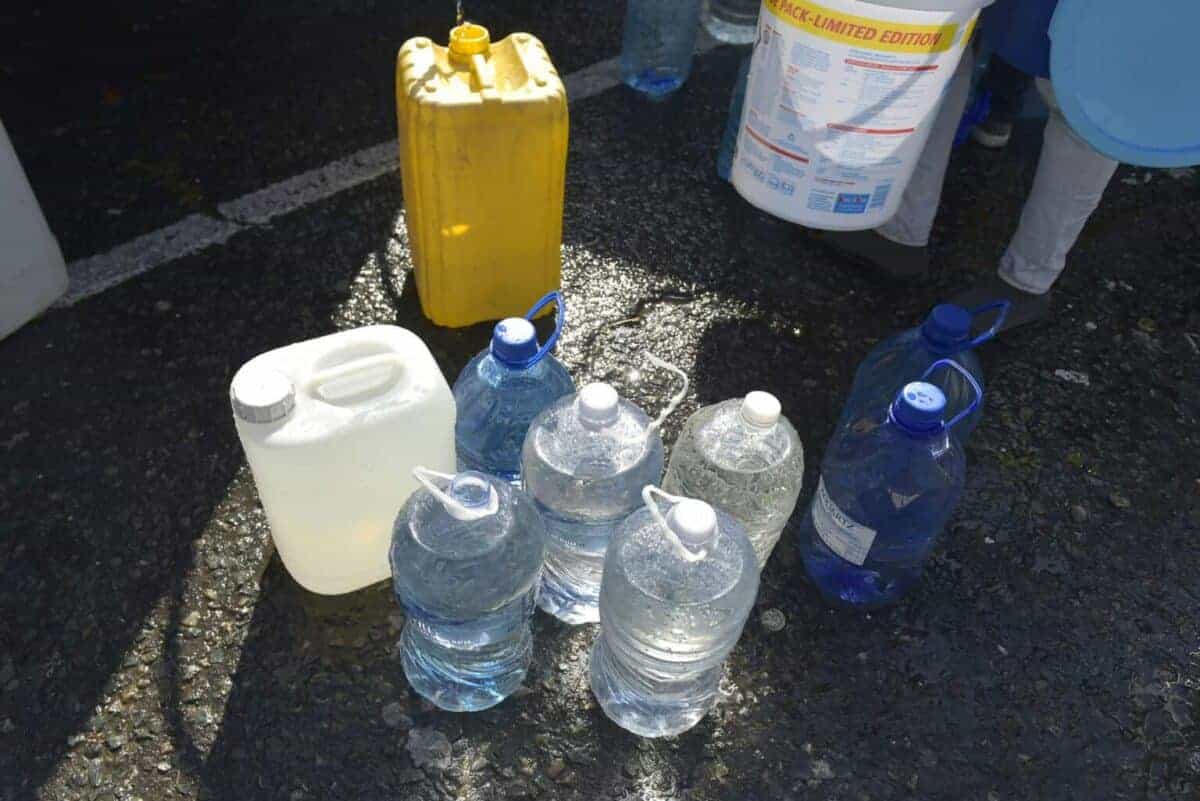
In many communities, taps run dry for days. Residents queue at communal standpipes before dawn. Schools suspend classes because sanitation cannot be maintained.
ALSO READ: More than half of South Africans experience water outages
Clinics struggle to uphold hygiene standards.
Globally, Unicef and the World Health Organisation estimate that women and girls spend 200 million hours each day collecting water.
South Africa is not immune to this reality. Where household connections are absent or unreliable, it is overwhelmingly women and girls who walk to rivers, boreholes or communal taps, sacrificing time that should be devoted to education or economic participation.
This year’s National Water Month theme, Water and Gender, under the slogan “Where water flows, equality grows”, is a call to action.
When water is accessible and safe, unpaid care burdens decline, girls’ school attendance improves and exposure to gender-based risks is reduced.
When women participate meaningfully in water governance and decision-making, services tend to be more inclusive and sustainable.
ALSO READ: Water crisis: Residents plan to protest at council meeting in Secunda
Water security is thus both a development objective and a gender justice imperative.
About the Author