Screenshot
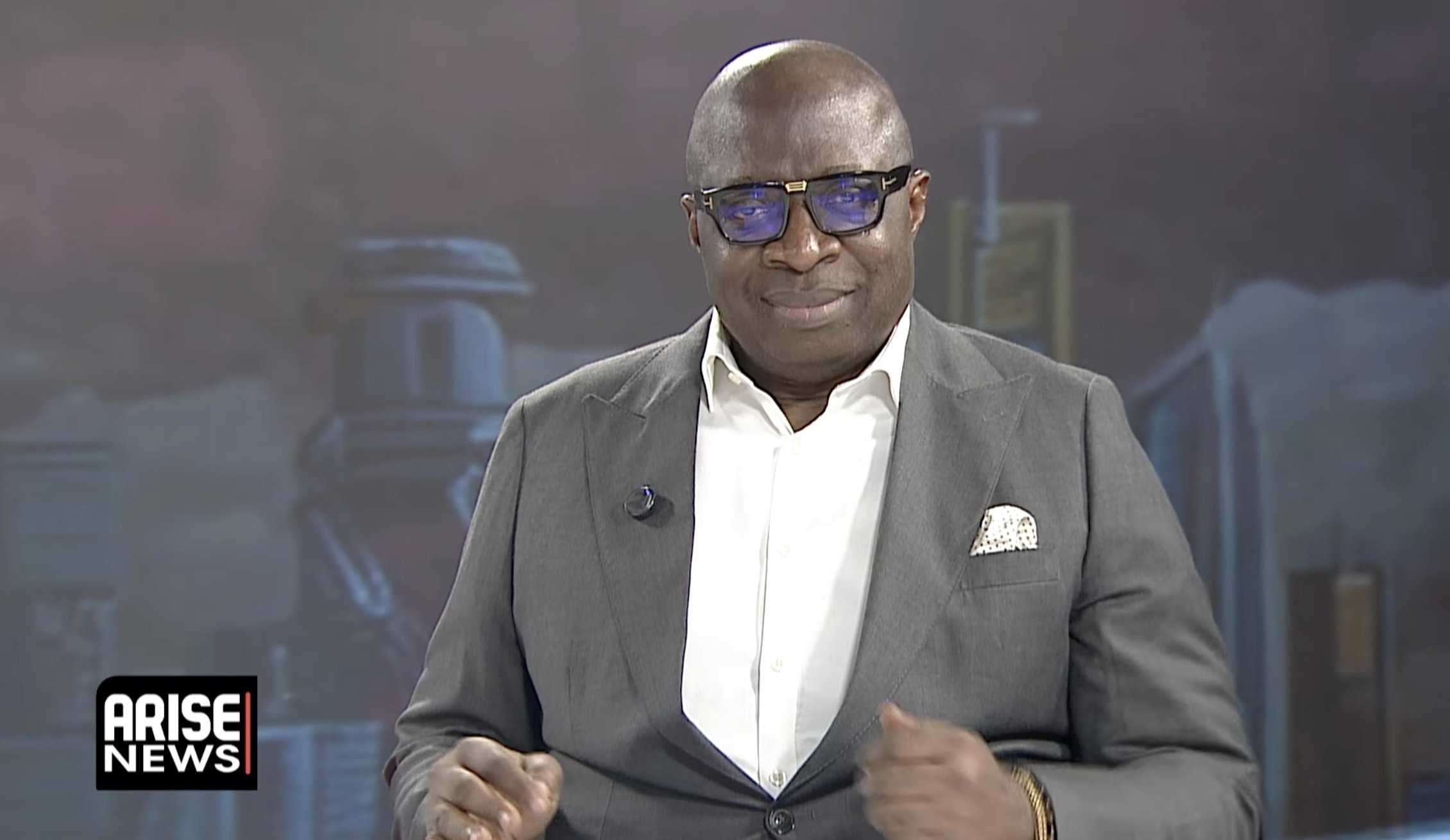
ARISE Business Analyst, Chika Mbonu, says insurance is a very important part of Nigeria’s economic system, highlighting its role in supporting financial stability, protecting businesses and strengthening key sectors of the economy
Speaking during an interview with ARISE NEWS on Tuesday, Mbonu said insurance extends far beyond accident protection, providing essential support for banking, mortgages, aviation, oil and gas, and other critical sectors.
On the importance of insurance to Nigeria’s economic system, Mbonu said:
“Insurance is a very important part of the economic system. Without insurance, strong insurance, the banks are also affected because many of their securities rest on insurance.”
He said Nigeria’s low insurance penetration reflects a combination of limited awareness, weak public trust and low adoption, despite the sector’s importance in supporting economic development and financial stability.

“Nigeria’s insurance penetration remains among the lowest in Africa, generally estimated at below one per cent of GDP. These issues go beyond income levels and involve trust, awareness, product design and distribution.”
Mbonu identified poor public trust, limited awareness, weak product design, distribution challenges and concerns over claims settlement as some of the major factors hindering insurance growth in the country.
“Nigeria doesn’t trust insurance companies. A lot of people believe that they collect premiums and don’t pay claims and the claim process is so stressful.”
He explained that many Nigerians purchase insurance during positive milestones, such as buying vehicles or building homes, but often encounter challenges when making claims after suffering losses.
“You buy a new car, you want insurance, you pay a premium. You build a new house, you do that also. Those are happy moments but the claims moments are times of sadness.”
Mbonu also highlighted low financial literacy as a major challenge, saying many Nigerians do not fully understand the purpose and benefits of insurance.
“Many Nigerians don’t understand what insurance is, how it works, why it is necessary.”
On the recapitalisation exercise for insurance companies, Mbonu said the move by the National Insurance Commission would strengthen the industry by encouraging better-capitalised and more professional operators.
“If insurance companies are more capitalised, it will reduce those who just go and collect premiums and never pay claims.”
He added that stronger capitalisation would help restore confidence in the sector while ensuring that only financially capable companies remain in operation.
“If insurance companies are more capitalised, it will reduce those who just go and collect premiums and never pay claims. Maybe a lot more professionalism will come into play.”
Mbonu also stressed the need for stronger enforcement of compulsory insurance policies, noting that fake insurance documents remain a challenge in the country.
“There are mandatory insurances but a lot of motorists use fake insurance. Enforcement is another issue.”
He said a stronger insurance industry would have far-reaching benefits for the wider economy because many financial activities rely on effective insurance coverage.
“Insurance is not just about accidents. It supports mortgages, aviation, oil and gas, and without strong insurance, the banks are also affected.”
Turning to the Central Bank of Nigeria’s 2025 financial statements, Mbonu said the figures should be assessed beyond profitability, with greater emphasis on monetary stability, transparency and their overall impact on the economy.
“I don’t judge it merely by the figures, but also under the framework of whether inflation has begun to moderate, whether confidence is improving, whether investors are returning and whether the Central Bank has become more transparent and credible.”
Highlighting the Central Bank’s role in the economy, Mbonu said its performance should be measured by its ability to maintain price stability, manage reserves, strengthen confidence and support economic growth.
“The performance of the apex bank should be measured by its ability to maintain price stability, manage reserves, strengthen confidence and support the economy.”
Mbonu commended the CBN for publishing its financial accounts, describing the move as an important step towards greater transparency.
“Publishing this account is a major achievement for the Central Bank because it provides the framework under which the analysis of the financial statements will be done.”
Looking ahead, Mbonu said further clarification from the Central Bank would be needed on some aspects of its financial statements, particularly ways and means financing.
“However, there are still areas that require more clarification from the apex bank, especially on ways and means financing.”
He said Nigerians would ultimately judge the CBN by the impact of its policies on their daily lives, including inflation, the value of the naira, borrowing costs, employment and confidence in the financial system.
“Nigeria will judge the CBN less by accounting profit and more by the prices they pay for the things they buy, the value of the naira, jobs and confidence in the banks.”
Mbonu concluded that while Nigeria had achieved a measure of economic stability, more work was needed to drive sustainable growth and ensure reforms translate into improved living standards.
“The crisis is over, we have some stability, but there is still work to be done. Growth is what people need because that is what they can feel.”
Goodness Anunobi