Regional lawmakers call for harmonised taxes, customs processes and easier access to finance to strengthen small businesses and deepen economic integration….
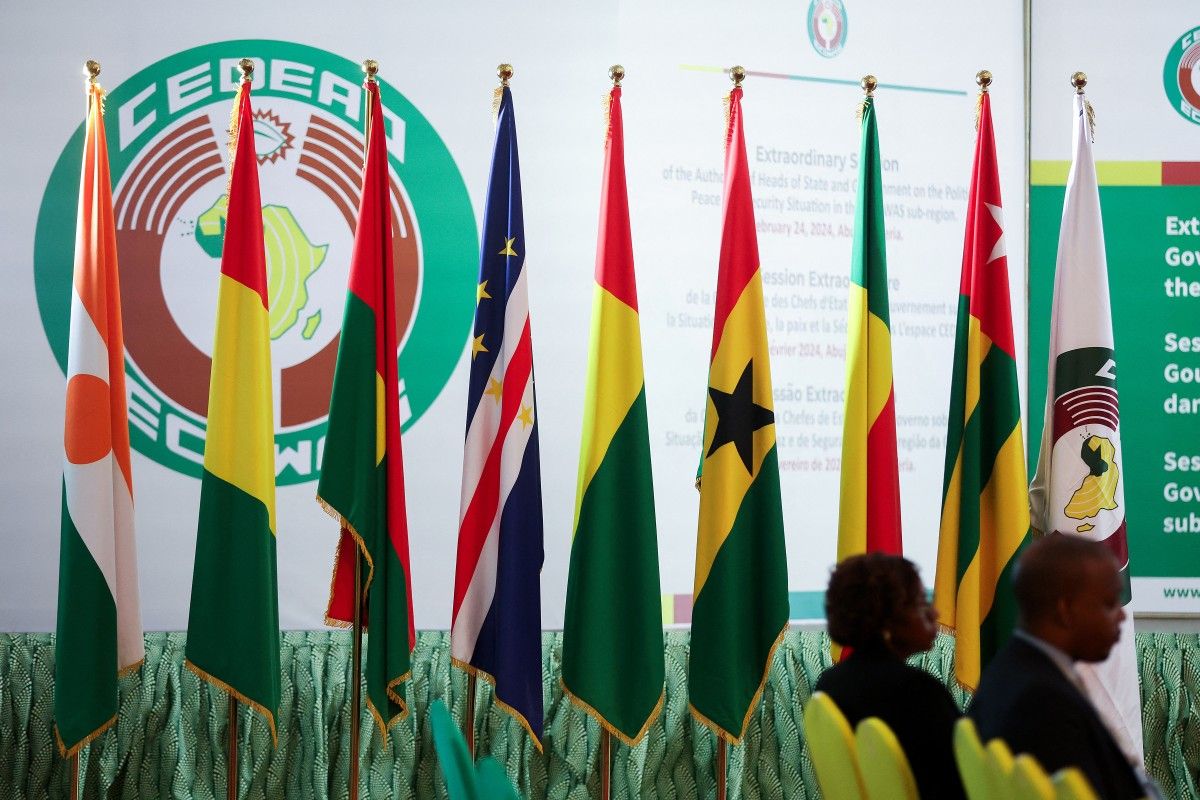
The ECOWAS Parliament has called for the harmonisation of customs procedures, import regulations, taxation systems and business registration requirements across West Africa to create a more predictable and supportive environment for Micro, Small and Medium Enterprises (MSMEs).
The recommendation was part of resolutions reached at a delocalised meeting of the parliament’s committees on Industry and Private Sector, Macroeconomic Policy and Economic Research, Administration, Finance and Budget, and Public Accounts held in Cotonou, Benin Republic.
Presenting the resolutions on Friday, the Co-Chairman of the committee, Alhagie Darbo, said member states must fully implement ECOWAS trade and investment protocols to remove barriers limiting cross-border commerce and improve the operating environment for businesses.
He also stressed the need for increased investment in trade-related infrastructure and stronger national monitoring systems to ensure that policies designed to improve regional trade are effectively implemented.
According to Darbo, ECOWAS countries should adopt legal, regulatory and fiscal frameworks that encourage entrepreneurship, help informal businesses transition into the formal economy, promote local value addition and improve the competitiveness of MSMEs.
The lawmakers also called for better protection of traders through transparent management of market facilities, accessible tenancy arrangements, a review of restrictive trading practices and measures to curb unlawful harassment of business operators.
The parliament urged member states to expand financial inclusion programmes and improve access to affordable financing, particularly for women-owned and youth-led MSMEs seeking to participate more actively in regional value chains.
Darbo said the ECOWAS Commission should strengthen the implementation of the ECOWAS MSME Development Policy (2021–2030) through enterprise support centres, entrepreneurship programmes, business development initiatives and digital skills training.
The lawmakers also recommended the creation and expansion of export support centres along major trade corridors and strategic border locations to assist exporters, simplify compliance procedures and reduce administrative delays affecting regional trade.
They further advocated faster implementation of common ECOWAS product standards, certification systems and quality assurance mechanisms to ensure that goods traded across member states meet consistent requirements.
The parliament said improving awareness and implementation of the ECOWAS Trade Liberalisation Scheme (ETLS) would help businesses benefit more from regional markets by reducing non-tariff barriers and improving transparency in cross-border transactions.
The lawmakers encouraged stronger regional value chains by urging industries to source semi-processed materials and intermediate inputs from within the ECOWAS region rather than relying heavily on imports from outside Africa.
Darbo said developing inclusive industrial and agricultural clusters, producer networks and value-chain platforms would help attract investment, improve productivity, expand access to finance and strengthen the competitiveness of regional businesses.
The parliament also urged the ECOWAS Bank for Investment and Development (EBID) to expand access to affordable financing for MSMEs through innovative mechanisms such as credit guarantee schemes, concessional funding programmes and risk-sharing arrangements, particularly for women and young entrepreneurs.
It also called for investment in industrial and agricultural clusters by creating financing tools that would enable producers and businesses across value chains to increase production capacity and connect with regional markets.
Beyond policy recommendations, the parliament said stronger oversight would be needed to ensure member states comply with ECOWAS trade, investment, industrialisation and MSME development frameworks.
The lawmakers pledged to promote greater political commitment among member countries towards implementing regional protocols aimed at improving market access, industrial growth and economic integration.
They also resolved to forward the recommendations from the meeting to relevant institutions and continue advocacy efforts at national levels.
Speaking with journalists after the meeting, Chairman of the Nigerian House of Representatives Committee on SMEs, Pascal Agbodike, said Nigerian representatives in the ECOWAS Parliament would engage with lawmakers at home to ensure the resolutions receive attention.
Agbodike added that concerns raised about challenges at Nigeria’s borders would be examined comprehensively as part of efforts to improve trade relations and regional economic cooperation.