A new legal battle has intensified between Russian authorities and Telegram founder Pavel Durov, after Moscow accused him of failing to prevent the use of the messaging platform for alleged extremist activities.
Russia’s Federal Security Service, FSB, announced charges against Durov on Wednesday, accusing Telegram of allowing channels, chats and bots allegedly linked to Ukrainian intelligence services and extremist groups to operate on the platform.
The agency claimed the accounts were used to organise attacks, including acts of sabotage, terrorism, mass violence and cyber fraud.
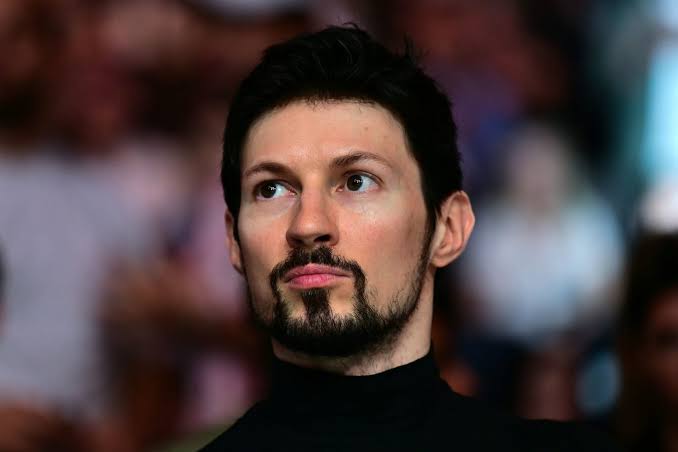
Durov and Telegram have not issued an official response to the charges, although Telegram’s account on X reacted by sharing an image of the founder following the announcement.
The case comes as Russian authorities intensify efforts to tighten control over digital platforms and promote domestic alternatives. Moscow has recently increased restrictions on foreign messaging and social media services while encouraging users to adopt its state-backed MAX messenger.
Digital rights experts have raised concerns over MAX, pointing to its data-sharing policy with authorities and the absence of full end-to-end encryption.
Durov, who holds Russian, French and Emirati citizenships, founded Telegram in 2013 after previously creating Russia’s VKontakte social network. He left VKontakte following disputes with Russian authorities over demands for access to user information.
The Telegram founder has repeatedly accused Moscow of attempting to limit privacy and free expression, while maintaining that the platform should remain independent from government control.
Beyond Russia, Durov is also facing legal scrutiny in France over allegations that Telegram failed to adequately address criminal activity on its platform and cooperate with law enforcement requests.