UN Leadership Race Enters New Phase As Candidates Debate
The race to become the next United Nations secretary-general enters a crucial stage on Thursday as six candidates face off in a televised debate at the organisation’s General Assembly Hall. The 90-minute event will feature questions from diplomats, UN staff and civil society representatives, giving candidates the opportunity to present their visions ahead of the …
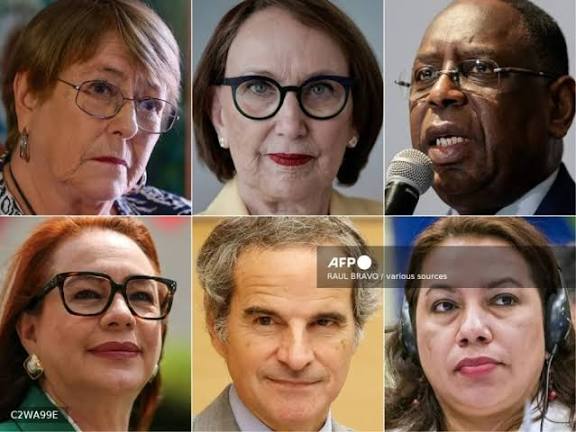
The race to become the next United Nations secretary-general enters a crucial stage on Thursday as six candidates face off in a televised debate at the organisation’s General Assembly Hall.
The 90-minute event will feature questions from diplomats, UN staff and civil society representatives, giving candidates the opportunity to present their visions ahead of the formal selection process.
Those vying to succeed outgoing Secretary-General Antonio Guterres are Chile’s Michelle Bachelet, Ecuador’s Maria Fernanda Espinosa, Argentina’s Rafael Grossi, Costa Rica’s Rebeca Grynspan, Guyana’s Carolyn Rodrigues-Birkett and Senegal’s Macky Sall.
General Assembly President, Annalena Baerbock, said the debate would provide a rare platform for candidates to outline their leadership priorities at a time when the UN faces major global challenges.
“In an increasingly fragmented world, the United Nations needs not only an exceptional chief administrator who will make the organization fit for the 21st century but also the leadership and integrity of someone willing to vigorously defend the UN Charter”, Baerbock said.
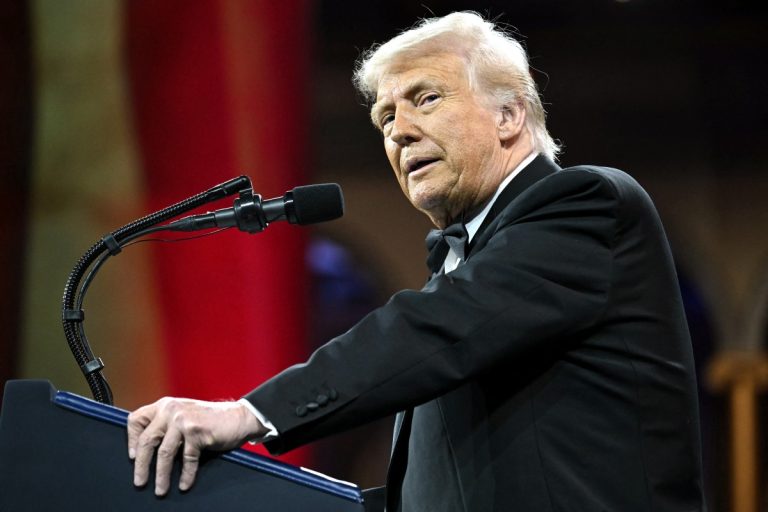
The election comes as the United Nations battles financial pressures and declining confidence, with the administration of U.S. President Donald Trump criticising the organisation’s spending and effectiveness. While Washington has called for greater focus on peace and security, other member states insist that human rights and development remain equally important pillars of the UN’s mission.
The candidates have already answered questions from representatives of the UN’s 193 member states, with many promising reforms to improve efficiency and strengthen the organisation’s role in resolving conflicts.
The Security Council will begin its first closed-door straw poll on July 30, with further rounds expected until one candidate secures at least nine votes without opposition from any of the five permanent members. The successful candidate will then be presented to the General Assembly for formal approval and will assume office on January 1, 2027.
Although Argentina’s Rafael Grossi is widely regarded as a leading contender, analysts say Costa Rica’s Rebeca Grynspan and Guyana’s Carolyn Rodrigues-Birkett also have strong support, while a surprise candidate could still emerge.