Got a safari on your bucket list but keep putting it off? Uganda just gave you a reason to stop waiting.
The government has announced three days of free entry into all Uganda national parks in September this year. The parks will be open to Ugandans and foreign visitors alike. No hidden catch, no fine print excluding tourists everyone gets in free.
The open park days will run from September 25th to September 27th 2026. For these three days, park entrance fees will be waived across the national parks. Whether you’re looking to chasing lions in the savannah or standing at the edge of a thundering waterfall, you won’t pay a shilling to get through the gate.
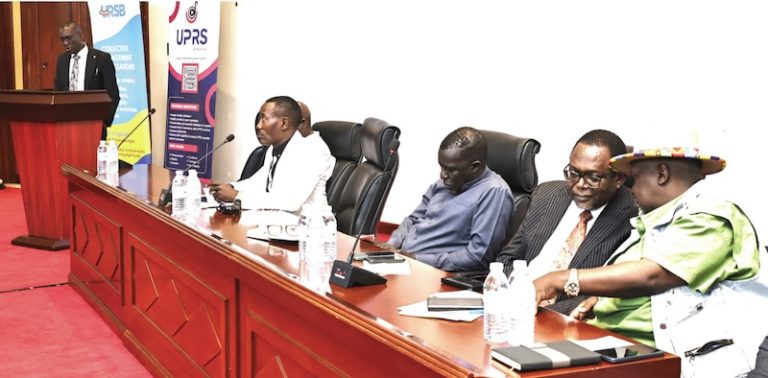
The announcement was made by the state minister for Tourism, Susan Nsambu Nakawuki, during a visit to Murchison Falls National Park and Ajai Wildlife Reserve, a familiarization trip that was organized by the Uganda Wildlife Authority (UWA).
Her message was simple and welcoming everyone is invited, no exceptions for nationality. She did add one lighthearted piece of advice bring a little cash, because you might want to grab some grilled fish, while you’re out there enjoying the parks.
This isn’t just a random giveaway; it’s a calculated move to promote domestic tourism in Uganda.
Uganda has spent recent months recovering from the Ebola outbreak that infected 20 people and claimed two lives. Though it was a small outbreak in Uganda, it has greatly affected tourist arrivals in the country.
By the end of last week, Uganda discharged its last patient, and if in the next 45 days no new case has been registered, the country will be declared Ebola-free by the World Health Organization (WHO).
Uganda is now in the 42-day monitoring window the World Health Organization requires before a country can officially be declared free of the virus.
Even so, the damage to Uganda’s image abroad has lingered. Fifteen countries, including the United States, still have some form of travel advisory in place against visiting Uganda. Officials say those restrictions are hitting more than just tourism trade and investment are feeling it too.

That’s where this free-entry push comes in. It’s a direct, visible way for the government to say: come see for yourself, the parks are open and the country is safe.
Health minister Dr. Chris Baryomunsi has said discussions are already underway with the countries holding onto these advisories, in hopes they’ll ease up as the health situation continues to improve.
Should you plan a trip?
If you’ve been sitting on a “someday I’ll go on safari” plan, this is about as good a nudge as you’ll get. Free entry across the board for three full days is not something that happens often.
Therefore, you can get started with planning your safari within the open park days and below are just a few of the places that you can easily travel to;
Lake Mburo National Park
The relatively small Lake Mburo National Park is the most accessible of all Uganda’s national parks. Located 228km from Kampala, Lake Mburo National Park is an ultimate destination for travellers interested in wildlife safaris in Uganda. It is a good spot for nature lovers and bird watchers. It is also a great place to enjoy horse riding and foot safaris.
Murchison Falls National Park
This is Uganda’s largest national park. It is known for its breathtaking landscapes and the scenic view of the Murchison Falls is really stunning! The park hosts diverse animals and bird species including lions, giraffes, buffaloes, elephants, hippos, waterbucks, leopards and hyenas etc.
Within the park, there are various adventure activities that can be done and these include game viewing, chimpanzee tracking in Budongo and Kaniyo Pabidi, boat trips along the Mighty River Nile, sightseeing etc.
Semuliki National Park
The less known Semuliki National Park is located in the extreme west of Uganda, in Bundibugyo and within the western arm of the East African Rift valley. The park covers an area of 220 sq km and covers an eastern extension of the vast Ituri Forest.
The park protects a large number of predominantly Central African species which include some of the continent’s most spectacular and sought-after birds such as; Long-tailed Hawk, Congo Serpent Eagle, Lyre-tailed Honeyguide, Black-wattled Hornbill and the Nkulengu Rail.
Queen Elizabeth National Park
This exquisite national park is Uganda’s second largest national park and a designated world biosphere reserve because of its remarkable ecological system. The park is nestled in the Rwenzori foothills and a great home to a wide range of animals, including the big four, primate species like chimpanzee, monkeys and almost 600 bird species.
A couple of things worth checking closer to the date:
Whether extras like game drives, boat cruises, or guided nature walks are included, or if those still come with a fee
Which parks might get busier than others, since demand is likely to spike over that weekend
Travel and accommodation, since flights and lodges near popular Uganda national parks can fill up fast once word spreads
This campaign fits into UWA’s ongoing “Explore Uganda” and “Visit Uganda” efforts, both aimed at getting more people local and international back into the country’s wildlife areas.
Tourism is one of Uganda’s top earners, supporting jobs and funding conservation work that keeps these parks thriving. A strong turnout over these free days would send a clear signal, both to Ugandans rediscovering their own backyard and to the world watching to see if Uganda is bouncing back.
September 25–27, gates open, no entry fee, everyone welcome. If Uganda’s national parks have been on your radar, this is the moment to actually go.