Four-year cap for students and shorter stays for foreign correspondents mark latest immigration policy shift…..
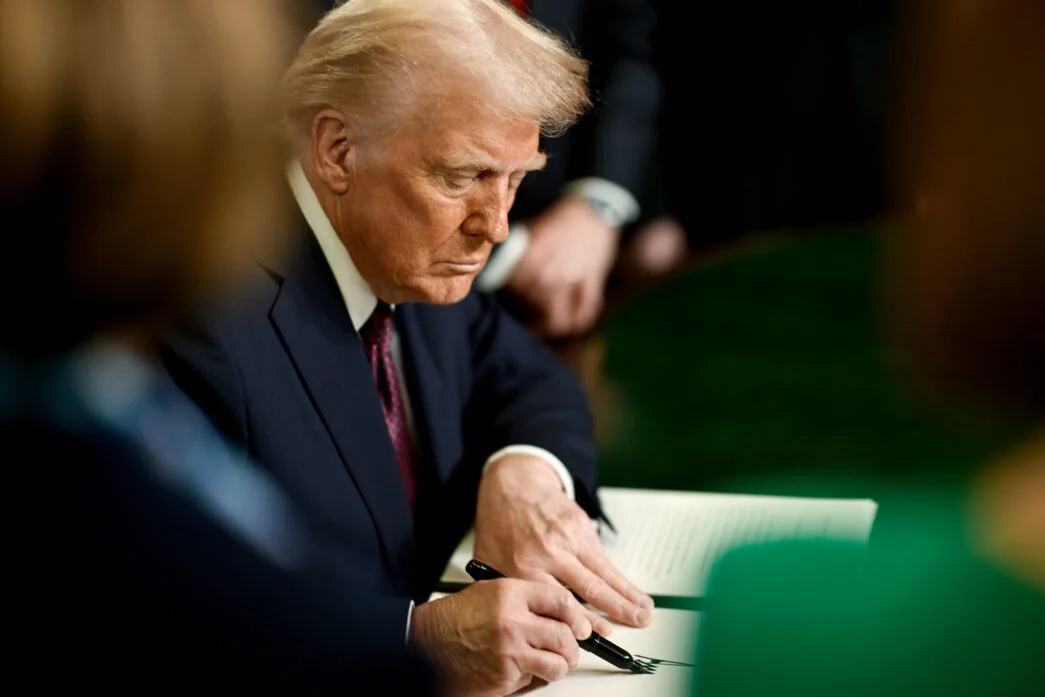
The administration of U.S. President Donald Trump has approved new immigration rules that will place stricter limits on how long foreign students and international journalists can remain in the United States, continuing its push to tighten legal immigration.
The new regulations, which could take effect as early as September, would replace the long-standing “duration of status” system for many international students. Instead of being allowed to stay for the entire length of their studies, eligible students would generally receive permission to remain in the country for the duration of their academic programme, up to a maximum of four years. Those who need additional time would be required to apply for an extension.
Foreign journalists are also affected by the changes. Under the new policy, most correspondents will be granted stays of up to 240 days, roughly eight months, with the option of requesting another 240-day extension. Journalists from China, however, would be limited to 90-day admission periods.
The Department of Homeland Security (DHS) said the changes are aimed at strengthening oversight of temporary visa holders and preventing abuse of the immigration system. According to the department, the previous framework allowed some students to prolong their stay indefinitely by repeatedly extending their studies.
DHS first introduced the proposal in August 2025 and received nearly 22,000 public comments before issuing the final rule. Despite widespread feedback from stakeholders, the department moved ahead with the policy with only limited adjustments.
The decision comes amid a broader immigration agenda that has remained central to Trump’s presidency. In recent months, the administration has intensified immigration enforcement across major U.S. cities while also introducing additional restrictions affecting legal immigration pathways.
The proposed visa changes drew strong opposition from colleges, universities and education advocacy groups, which warned they could discourage talented international students from choosing the United States.
The Presidents’ Alliance on Higher Education and Immigration argued that the policy would make it harder for American institutions to compete globally for skilled students and researchers.
Universities have already reported declines in international enrolment following earlier actions by the administration, including the cancellation of thousands of student visas and cuts to billions of dollars in federal research funding.
Media organisations and several international stakeholders, including the Japanese Embassy, also urged the government to reconsider the restrictions on foreign correspondents. They requested longer admission periods ranging from two to five years and called for faster visa processing as well as limits on application costs.
However, DHS rejected those recommendations, maintaining that the new time limits would improve immigration oversight.
A similar proposal was introduced during Trump’s first term in office but was later withdrawn by former President Joe Biden. The newly finalised rule is expected to undergo review by the Republican-controlled Congress before full implementation.