Constitution.
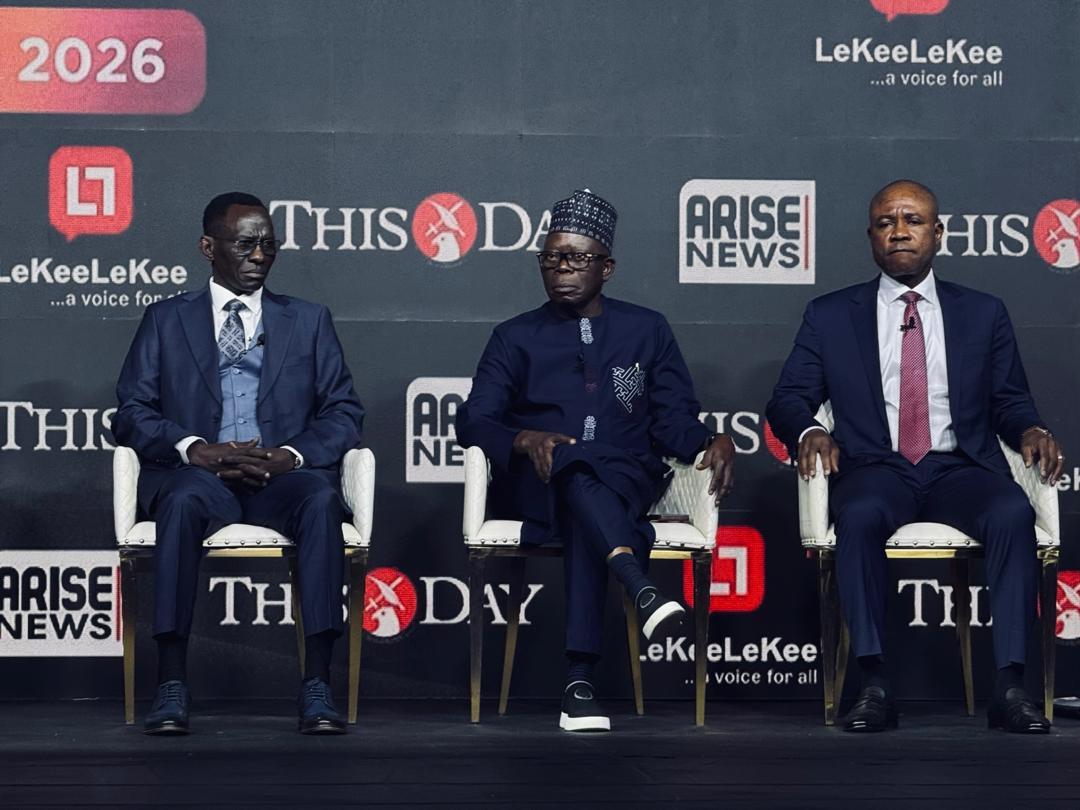
Senator Adams Oshiomhole, representing Edo North Senatorial District, has thrown his weight behind the creation of state police, arguing that governors cannot effectively discharge their constitutional responsibility as chief security officers without having operational control over the police.
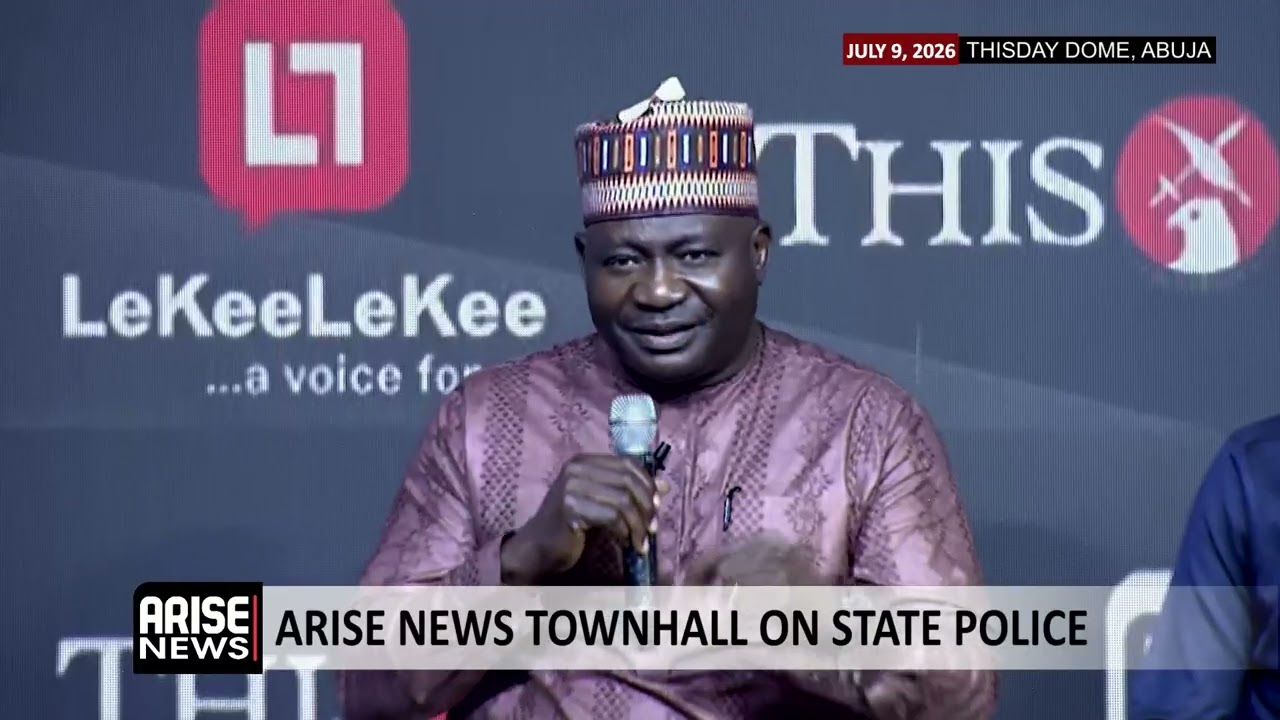
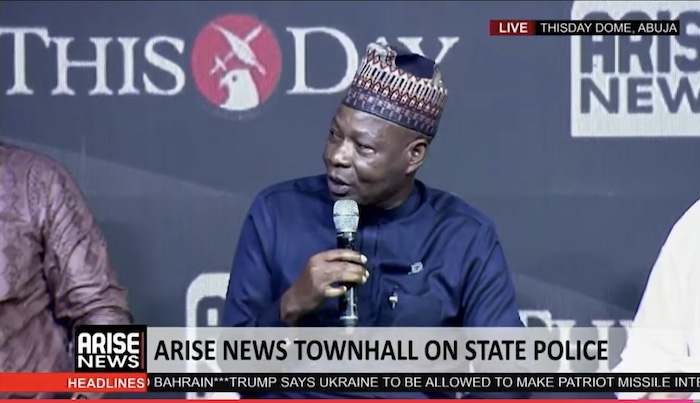
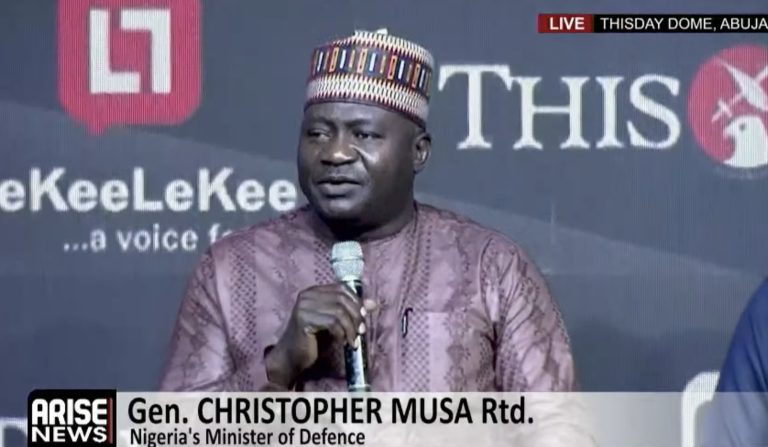
Speaking at the ARISE News Town Hall on State Police, the former Edo State governor described the current policing structure as inherently contradictory, saying the Constitution assigns governors responsibility for security but denies them the authority to command, recruit, discipline or deploy the police.
Responding to concerns that the challenges facing the Nigeria Police Force stem more from inadequate funding, personnel shortages and logistics than from constitutional design, Oshiomhole insisted that the existing structure has failed and that decentralising policing is necessary.
“My view is that there is an inherent contradiction. If you look at the provisions of the Constitution, the state governor is the chief security officer. But what is the tool for enforcing security? If a state is responsible for primary healthcare, it has a Ministry of Health to deliver that responsibility. Yet I am called the chief security officer, but I have no control over the police. I cannot give orders, recruit, promote or discipline officers. It is like calling me a husband when I have no wife,” he said.
Oshiomhole dismissed concerns that states may lack the financial capacity to sustain state police, arguing that government spending is determined by priorities.
“Nobody funds what they do not believe in. Where we put money reflects our values and priorities. Every level of government must allocate resources according to what it considers important,” he said.
Drawing from his experience as governor of Edo State, Oshiomhole said successive governors have spent enormous amounts procuring operational vehicles, communication equipment and other logistics for the police despite lacking authority over how those resources are used.
“I spent much more procuring vehicles and communication gadgets for the police than what the federal government provided. Unfortunately, when those assets are misused, mismanaged or even stolen by those meant to protect them, I have no legal authority beyond asking questions. I cannot enforce discipline.”
Addressing fears that governors could abuse state police for political purposes, Oshiomhole argued that abuse of power already exists under the current centrally controlled policing system.
“People talk about possible abuse. But even today, Nigerians and the media know there are cases where the federal police are abused, whether by federal authorities or even by state authorities. Abuse is not peculiar to one structure.”
He maintained that democracy already provides mechanisms to hold governors accountable.
“If a governor mistakes state police for his personal police and misuses them, then vote him out at the next election. The media also has a responsibility to expose abuse. Every human being has the capacity either to use power responsibly or to misuse it. What matters is accountability.”
The senator also cited instances during his tenure as governor where he said Abuja overruled local policing decisions.
“We had cases where the Commissioner of Police arrested criminals, only for Abuja to order their release. To my pain and helplessness, they were released.”
He further recalled the assassination of one of his personal assistants, saying conflicting investigative reports from the Department of State Services (DSS) and the Nigeria Police left him powerless.
“The DSS report pointed in one direction, while the report from the Nigeria Police Headquarters suggested something completely different. I could see officers committing wrongdoing, yet I could do little or nothing about it.”
Oshiomhole recounted another incident following a major fire outbreak, which he described as one of the most painful experiences of his administration.
“There was a fire incident, and as governor I needed to know whether it resulted from an electrical fault or arson. I asked the Commissioner of Police to brief me, but he simply said he could not come to my office. I met him around midnight, yet he still refused. His name was Mr. Waluku. If people are worried about abuse under state police, they should recognise that abuses already exist under the present system.”
According to him, retaining the constitutional designation of governors as chief security officers without giving them control over policing is untenable.
“Unless you amend the Constitution to remove the provision that governors are the chief security officers of their states, then they must be given the instruments to perform that responsibility.”
Oshiomhole argued that the debate over state police has lasted for years and should now translate into action.
“We cannot keep doing the same thing over and over again and expect remarkably different outcomes. We have passed resolutions after resolutions, yet nothing has changed. Should we not think of a new way?”
He also criticised what he described as Nigeria’s contradiction of operating a federal system through largely unitary policing arrangements.
“People constantly refer to the American system. They have state police and federal police. Sometimes there are disagreements, but they complement rather than compete with each other. That is not a reason to reject state police.”
The senator added that the federal government itself has acknowledged the need for multiple security agencies through the establishment of organisations such as the Federal Road Safety Corps and the Nigeria Security and Civil Defence Corps.
“If the federal government could create agencies like Road Safety and Civil Defence, then it shows there is already recognition that one police force alone cannot meet every security need.”
Concluding his remarks, Oshiomhole said creating state police would ensure citizens know exactly who should be held accountable for security failures.
“Let citizens know who they should hold responsible. If they are shouting, ‘Governor, I am under attack,’ then let the governor deploy his men. If he fails to do so, the people should vote against him in the next election. That, for me, is how accountability should work.”
He described the ongoing national conversation on state police as timely and necessary, expressing confidence that decentralised policing would strengthen security and governance across the country.
Boluwatife Enome