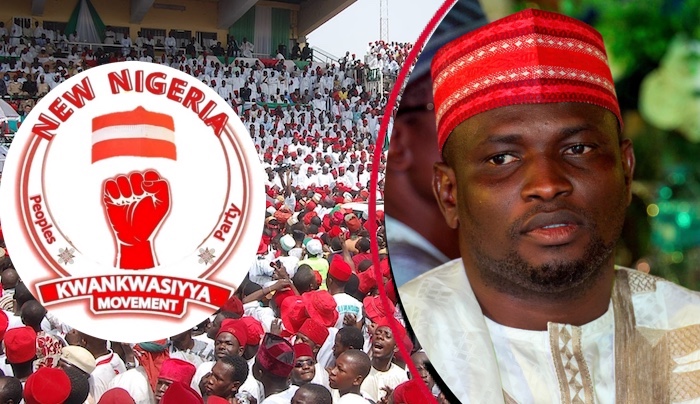
The Kwankwasiyya Movement has called on the Federal Government to immediately publish full details of the Presidential Foreign Intervention Promotion Council (PFIPC), including its mandate, funding, and operations, to restore public confidence.
In a statement by the movement’s spokesman, Dr. Habibu Mohammed, made available to newsmen in Kano on Saturday, the group said the PFIPC saga has gone beyond personality issues and now raises fundamental questions about due process, oversight, and the management of public resources.
“This is no longer about one man. It is about the integrity of our institutions and the right of Nigerians to know how public funds are being spent,” the statement read. The movement added that silence or selective action will only deepen public distrust and set a dangerous precedent for governance.
The statement noted a contradiction between the Presidency’s position and budgetary records.
“The Presidency has publicly declared that the PFIPC never existed and has distanced itself from anyone claiming to represent it.
“At the same time, credible reports indicate that a budgetary allocation running into over one billion naira was made in the 2026 Appropriation Act for an entity bearing that name or a closely related designation. These developments present questions that deserve clear and convincing answers.”
The movement listed key questions Nigerians deserve answers to: “If the council never existed, how did it find its way into the national budget? Who proposed and approved the allocation? Which government offices processed the documentation? Was any public money released or committed? If official documents were allegedly forged, how were they used for such a long period without detection?”
“The Tinubu administration came into office promising renewed hope, institutional reform, and responsible governance. Those promises must now be measured against its willingness to provide full disclosure on this and other matters. Silence, contradictions, or attempts to shift responsibility will only deepen public distrust.”
The group also warned of international implications.
“This issue also has implications beyond Nigeria’s borders. Foreign investors assess not only economic policies but also the integrity of public institutions. Any uncertainty about the authenticity of government bodies or official appointments risks undermining confidence in Nigeria’s governance and investment climate,” the statement added.
The movement demanded that the Presidency publish a comprehensive account of the facts, including the origin of the budgetary provision, the administrative processes involved, and the actions being taken to prevent similar occurrences.
“We also urge the National Assembly, anti-corruption agencies, and other relevant oversight institutions to ensure that all aspects of this matter are independently examined in accordance with the law.”
“No democracy can flourish where questions are discouraged or contradictions go unexplained. The Nigerian people deserve the truth, and they deserve it without delay,” the statement concluded.
Ahmad Sorondinki