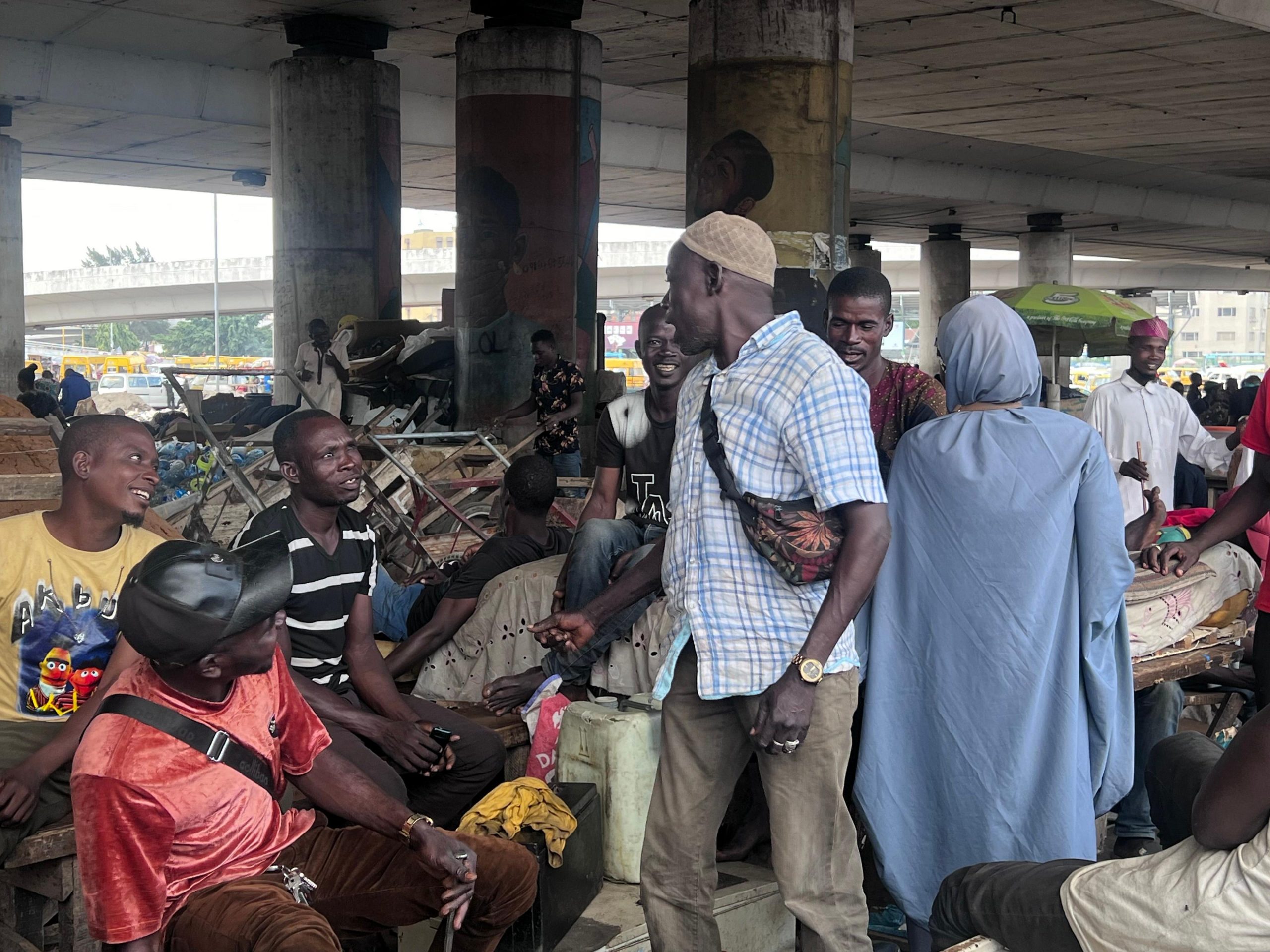
As Nigeria’s internally displaced population continues to swell amid insecurity, conflict and climate-induced disasters, key stakeholders have called for a dramatic shift from relief-based interventions to investment-led solutions that could transform millions of displaced Nigerians from aid dependants into drivers of economic growth.
The call came at a high-level engagement in Abuja convened by the Amahoro Coalition, where policymakers, agribusiness leaders and development partners challenged the conventional narrative around internal displacement and advocated the integration of displaced populations into productive sectors of the economy, especially agriculture and its value chains.
Speaking at the forum, Strategy Custodian and Partnerships Lead at the Amahoro Coalition, Tito Mbaithi, said the time had come to recognise internally displaced persons (IDPs) not as victims to be perpetually sustained by humanitarian assistance, but as an overlooked workforce possessing skills, resilience and economic potential capable of contributing significantly to national development.
He noted that displaced populations across Africa collectively generate billions of dollars annually and argued that Nigeria, despite grappling with one of the continent’s largest displacement crises, possesses enormous untapped opportunities embedded within its displaced communities.
According to him, the conversation around displacement must evolve beyond emergency response and charity to deliberate efforts aimed at unlocking productivity, creating jobs and building inclusive economic systems that benefit both host communities and displaced persons.
Mbaithi disclosed that studies conducted by the coalition identified agriculture, entrepreneurship, manufacturing, finance and supply chains as sectors with significant potential for integrating displaced populations through strategic investments and partnerships.
He particularly highlighted northern Nigeria, describing the region as both the nation’s food basket and one of the areas most severely impacted by displacement.
He said many displaced persons from the region are experienced farmers and entrepreneurs who possess generations of agricultural knowledge but remain excluded from formal economic opportunities, thereby creating a gap that private sector investments can bridge.
President of the Nigeria Agribusiness Group (NABG), Kabiru Ibrahim, said while viewing displacement through an investment lens might appear unconventional, it presents an opportunity to simultaneously address humanitarian concerns and stimulate economic growth.
He argued that replacing dependency with productive engagement would not only restore dignity to displaced populations but also strengthen national resilience and unlock new frontiers for agricultural and business expansion.
Also speaking, Group Head of Strategic Partnerships at TGI Group, Habiba Suleiman, stressed that displacement has become a defining feature of contemporary realities and therefore demands sustainable and inclusive responses.
She noted that displaced populations represent valuable human capital whose skills, knowledge and capacities should be intentionally integrated into existing economic structures rather than being left on the margins of development.
The renewed push for private sector participation comes against the backdrop of Nigeria’s worsening displacement crisis, driven by insurgency in the North-East, banditry, communal violence and climate-related disasters, which have uprooted millions of people and placed enormous pressure on humanitarian resources.
Participants at the engagement agreed that unlocking opportunities within displacement-affected communities could increase agricultural output, create employment and foster social stability, while demonstrating that the country’s displacement challenge can be transformed into an opportunity for inclusive growth and economic renewal.
For many at the forum, the message was unmistakable: Nigeria’s millions of displaced citizens should no longer be seen merely as a humanitarian burden, but as a strategic economic resource whose integration into productive sectors could become a powerful catalyst for national development.
Michael Olugbode