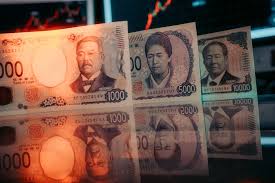
Japan is considering changes to the management of its $1.3 trillion foreign exchange reserves, a key financial buffer used to support the yen, according to a draft government growth strategy reviewed by Reuters.
The proposal reflects the government’s effort to improve returns on the massive reserve holdings while helping strengthen public finances, as Prime Minister Sanae Takaichi pushes for increased spending to support the world’s fourth largest economy.
“The government will examine the merits of improving management and making more effective use of assets held by the public sector, including the foreign exchange fund special account, taking into account their intended purposes,” according to the draft of the strategy, a centrepiece of Takaichi’s policy agenda.
The reserves serve as Japan’s primary resource for currency intervention and came under renewed focus after Tokyo launched a $73 billion yen buying operation in late April when the currency weakened beyond 160 yen per dollar.
The intervention contributed to a record 5.6 per cent decline in Japan’s foreign exchange reserves in May, underscoring the challenges of sustaining large scale market operations to support the currency.
While the draft strategy signals a review of reserve management, it does not outline specific changes to how the assets are invested. The reserves were accumulated through years of dollar buying intervention and are widely believed to be heavily invested in US Treasury securities.
Income generated from those holdings is currently transferred to the government’s general account and helps fund the national budget.
Takaichi previously described the reserves as a major beneficiary of the weak yen and said they were “performing very well”, comments that some officials interpreted as support for using surplus earnings to finance a contentious proposal to suspend consumption tax on food.
The debate comes amid growing calls from lawmakers across the political spectrum to explore alternative uses for public assets. Some have proposed combining foreign exchange reserves, central bank exchange traded fund holdings and pension assets into a sovereign wealth fund designed to generate higher returns.
However, government officials remain cautious about making significant changes to the reserve portfolio because of its role in maintaining market confidence and funding future currency interventions.
“It would be difficult to pursue returns in a way that runs counter to the purpose of the reserves,” said a source familiar with the matter who did not want to be identified as the report is confidential.
Market analysts also warned against taking excessive risks with assets intended to underpin financial stability.
“While aiming for higher profits is understandable, such strategies may undermine the safety of the reserves, which could be viewed negatively by markets,” said Akira Moroga, chief market strategist at Aozora Bank.
“Ultimately, foreign reserves exist to support a country’s credibility, so they should primarily be held in highly reliable and liquid assets rather than riskier investments,” he added.
Analysts said any attempt to extract greater value from the reserves could raise questions about Japan’s substantial holdings of US government debt.
“If you want to make effective use of foreign exchange reserves, it would mean selling US Treasuries,” said Saisuke Sakai, senior economist at Mizuho Research Institute. “At a time when US long-term interest rates are rising, would that be feasible in light of the US relationship?”
Japan remains the largest foreign holder of US Treasury securities, making any significant shift in its reserve strategy closely watched by global financial markets.
Faridah Abdulkadiri