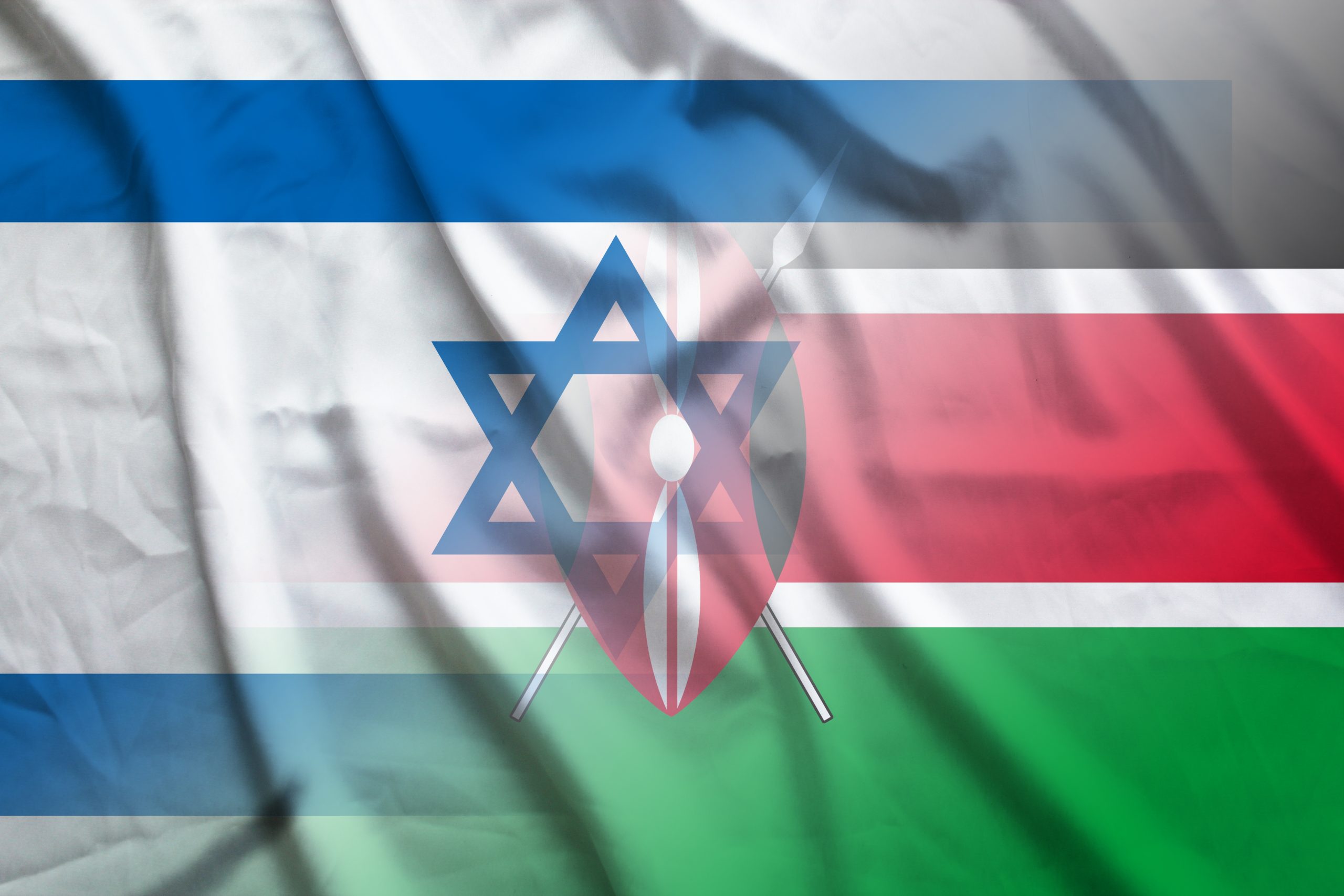
Israel has rescinded an earlier decision to block travellers from Kenya from entering the Middle Eastern country over Ebola concerns, following protest by the Ministry of Foreign affairs.
Kenya, which has not reported any Ebola cases, argued that the earlier decision was unfair.
Foreign Affairs Principal Secretary, Dr Korir Sing’oei, had earlier stated that the Israeli decision was not based on a proper assessment of risk.
“This is especially unfortunate given Kenya’s support to regional surveillance and response to Ebola. With over 80,000 tests, no case of Ebola has been reported in Kenya,” he said.
Israel has responded by removing Kenya and Rwanda from its ban list.
A notice of travel that was issued by the Israel Population and Immigration Authority (PIBA) on June 10, 2026 notified airlines to prohibit passengers from five countries, including Kenya, from boarding.
“…It is prohibited to board foreign passengers who meet the criteria specified below on flights bound to Israel. You are required to prevent foreign citizens and residents of the following countries from boarding: The Democratic Republic of Congo, South Sudan, Rwanda, Kenya and Uganda,” read the notice effective last week on Friday.
“Furthermore, boarding on flights to Israel must be denied to any foreign national who has stayed in or visited any of the countries listed above during the 21 days prior to the flight date, regardless of their citizenship or country of residence,” read another part of the notice.
Israel directed airlines to “question every foreign passenger prior to boarding, which includes verifying whether they have stayed in any of the restricted countries during the past 21 days,” and stated that if the answer is affirmative, “they must not be permitted to board the flight.”
Kenya is yet to record any Ebola cases, even as the government says it is ramping up measures to protect public health and bolster national readiness against possible outbreaks.
The airlines are expected to strictly comply with the directives, from which Israeli citizens and residents are exempt.
Kenya’s Health Cabinet Secretary Aden Duale termed the directive “unfair” and stated that “Kenya is not in the Ebola epicenter.”
“What they have done is very unfair. Kenya is not in the epicenter of Ebola. We have no case. I have spoken to the cabinet secretary for foreign affairs, Musalia Mudavadi, who has spoken to the Israeli ambassador to protest. The Israeli ambassador is going back to his capital to address it, and then they will get back to him,” said CS Duale on a call.
“This matter, this thing is very serious. we are the only country out of the 10 countries neighboring the epicenter that has highly prepared for any eventuality,” added CS Duale.
Health Cabinet Secretary Aden Duale has in previous engagements that the Ministry of Health is actively keeping track of Ebola outbreaks occurring in the region. He acknowledged that, despite Kenya remaining Ebola-free, the country is maintaining a heightened state of alertness owing to the significant movement of people and goods across its borders.
Meanwhile, according to the World Health Organization, the outbreak in the Democratic Republic of Congo continues to worsen, with case numbers rising and the disease spreading to new areas. By June 14, data from DR Congo showed cases had increased to 782 after 72 new cases were documented in 24 hours. Confirmed Ebola cases include 181 deaths, according to the government’s latest situation report.
The data shows that the outbreak, Congo’s 17th, remains confined to three provinces in the east: Ituri, North Kivu and South Kivu.