Teased in a solitary image last week, Audi has officially removed the wraps from the all-new third generation Q7.
Long overdue
Replacing the second iteration that debuted in 2015, the long overdue new Q7 joins the Q3 in receiving Ingolstadt’s latest styling language, but with a more compact and smaller appearance.
Soon to be succeeded by the Q9 as the brand’s new flagship SUV, the Q7 still provides seating for seven as standard, but with standard mild-hybrid assistance plus the availability of a turbodiesel engine.
No longer only a seven-seater
Joining its siblings in moving to the Premium Platform Combustion (PPC), the Q7 is said to be more spacious than its predecessor, though, no dimensional details were provided.
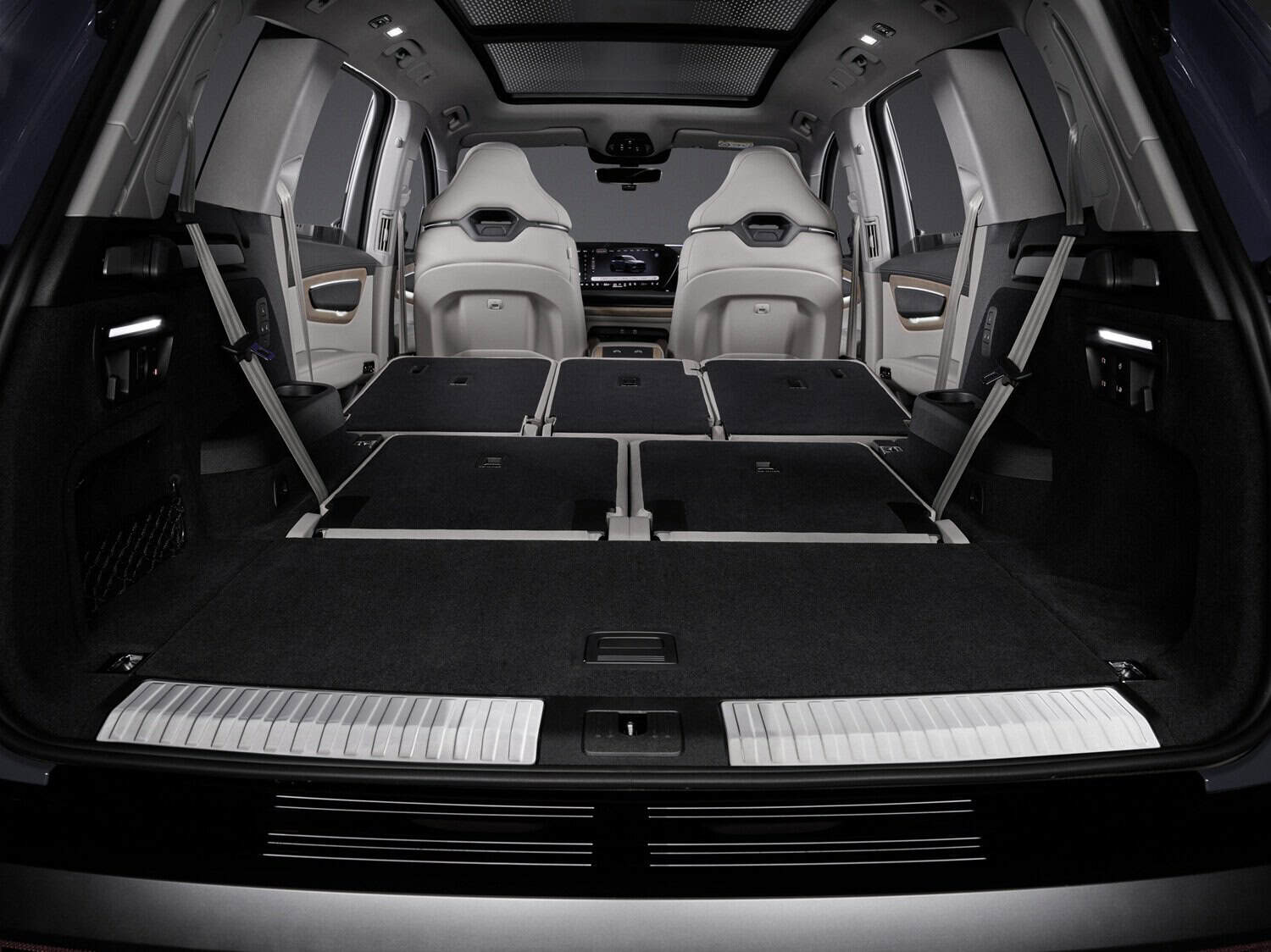
Audi did, however, confirm a boot space rating of between 581 to 2 075-litres. In select markets, the standard seven-seats are can be substituted for five or six, both new options for the Q7.
New looks
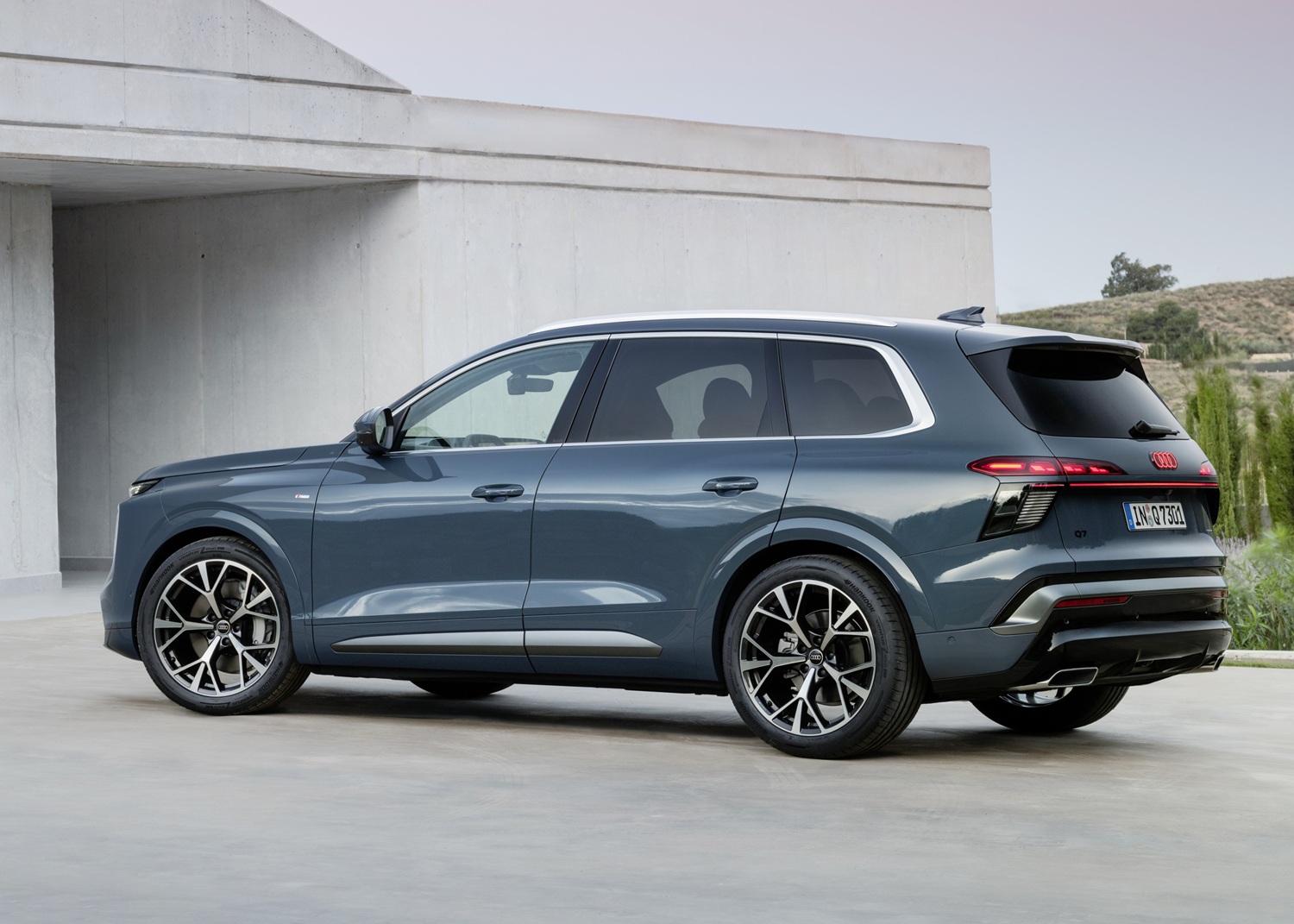
Aesthetically, the styling influence of the Q3 and Q6 e-tron amount to the same Singleframe grille, ultra-thin upper LED light clusters, a wider lower air intake and widened wheel arches.
Down the side, the rounded appearance of the previous Q7 has been dropped for a more upright profile similar to that of the Mercedes-Benz GLS.
At the same time, the Q7 gets Audi’s latest OLED taillight clusters, connected by an illuminated strip running the width of the bootlid. Another new addition is the illuminated four rings logo.
Optional are the latest Digital LED Matrix headlights that uses micro LEDs to project active functions onto the road.
These include a vehicle in the driver’s blind spot in conjunction with the Lane Departure Warning, when the vehicle is turning and warning to other drivers when the doors are opened.
What’s more, the lights also project an ice crystal graphic on the road in the event of the conditions being deemed snowy or icy.
On the wheel front, the Q7 can be had with 19-inch or up to 23-inch alloy wheels.
Underneath
Underneath, the move to the PPC, essentially a heavily revised version of the MLB Evo architecture that underpinned the outgoing Q7, has also resulted in several changes.
These comprise the standard, Adaptive or Adaptive S sport air suspension, a Q7 first all-wheel steering system and uprated ventilated brakes with a 400 mm disc design at the front and 350 mm at the rear.
Tech focused inside
The Q7’s dramatic departure from its predecessor continues inside where, as on its siblings, it also comes with the three-screen layout Audi, surprisingly, didn’t disclose any details of.
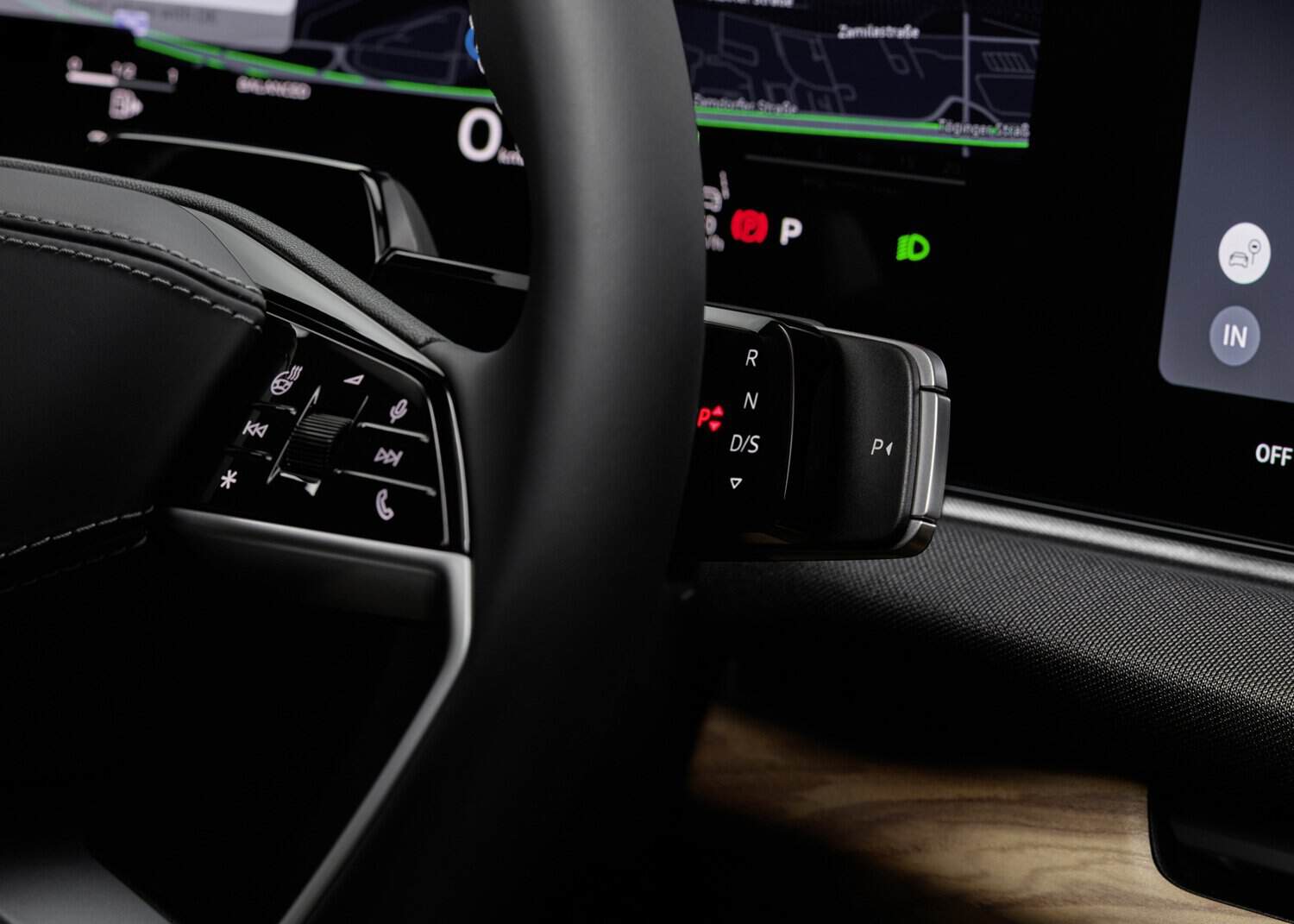
Confirmed, though, is the same pair of stalks and switches for the wipers, indicators and gear lever as on the Q3, a new centre console, wraparound design for the dashboard itself and selection of new colours and materials.
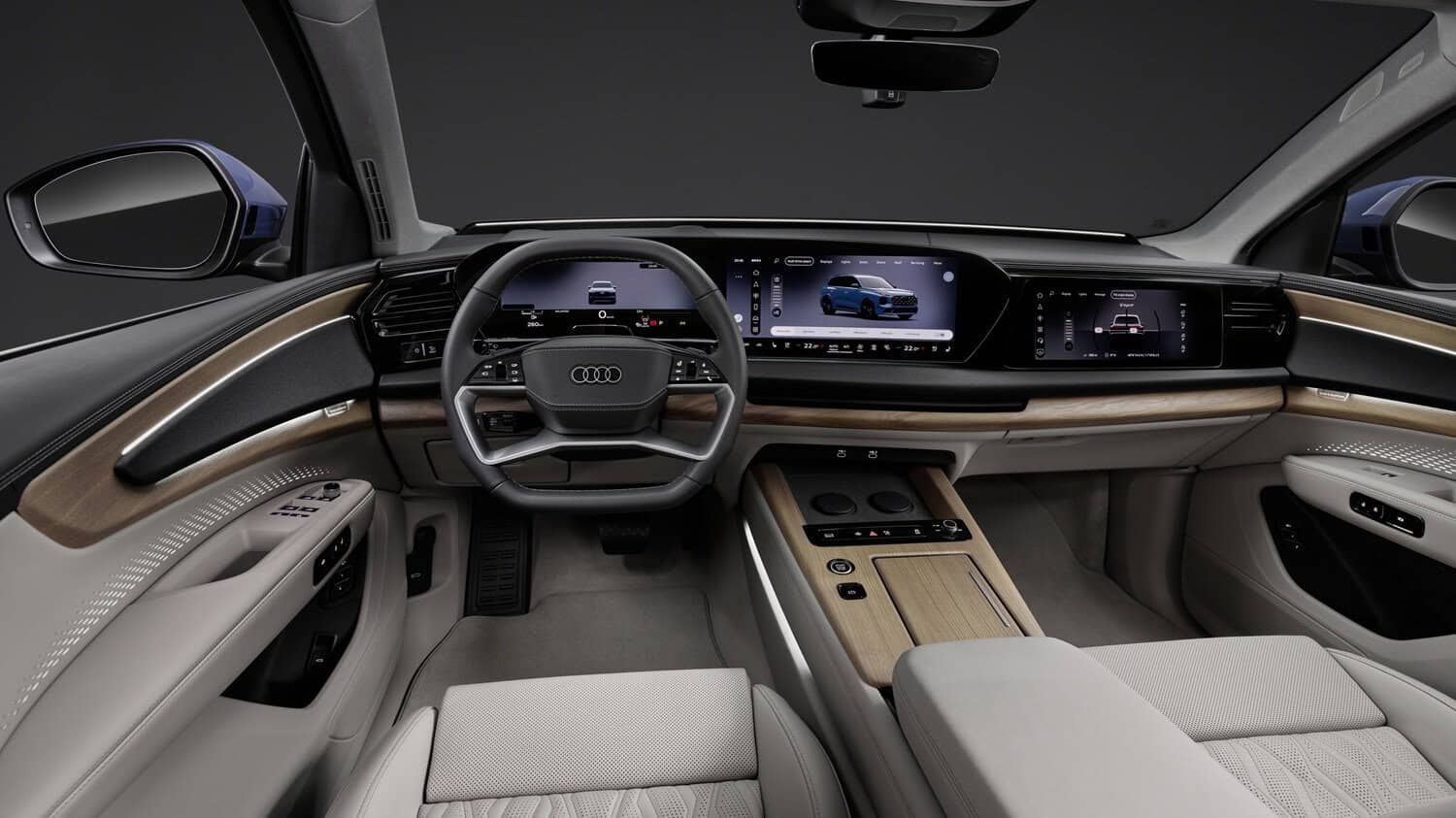
Along with a pair of wireless smartphone charging pads, buyers can also opt for an equally new 22-speaker, 1 360-watt Bang & Olufsen 4D sound system, plus ventilated and massaging front seats.
In another first, the panoramic sunroof follows the example of the Volvo EX90 by losing its cover for the Polymer Dispersed Liquid Crystal setup.
This means the roof switches from transparent to opaque in nine sections, a move Audi claim has been made for improved levels of headroom.
At the same time, the glass can also be illuminated when adjusted as part of the optional ambient lighting.
Diesel for EU
On the power front, the European Q7 will, initially, only be offered with the brand’s 3.0 TDI engine in two states of tune; 180kW/500Nm and 220kW/630Nm.
As mentioned, both units now come with mild-hybrid assistance in the form of a 48-volt system that adds an additional 18kW/370Nm for short spells.
A revised eight-speed Tiptronic gearbox continues to send the engine’s amount of twist to all four wheels.
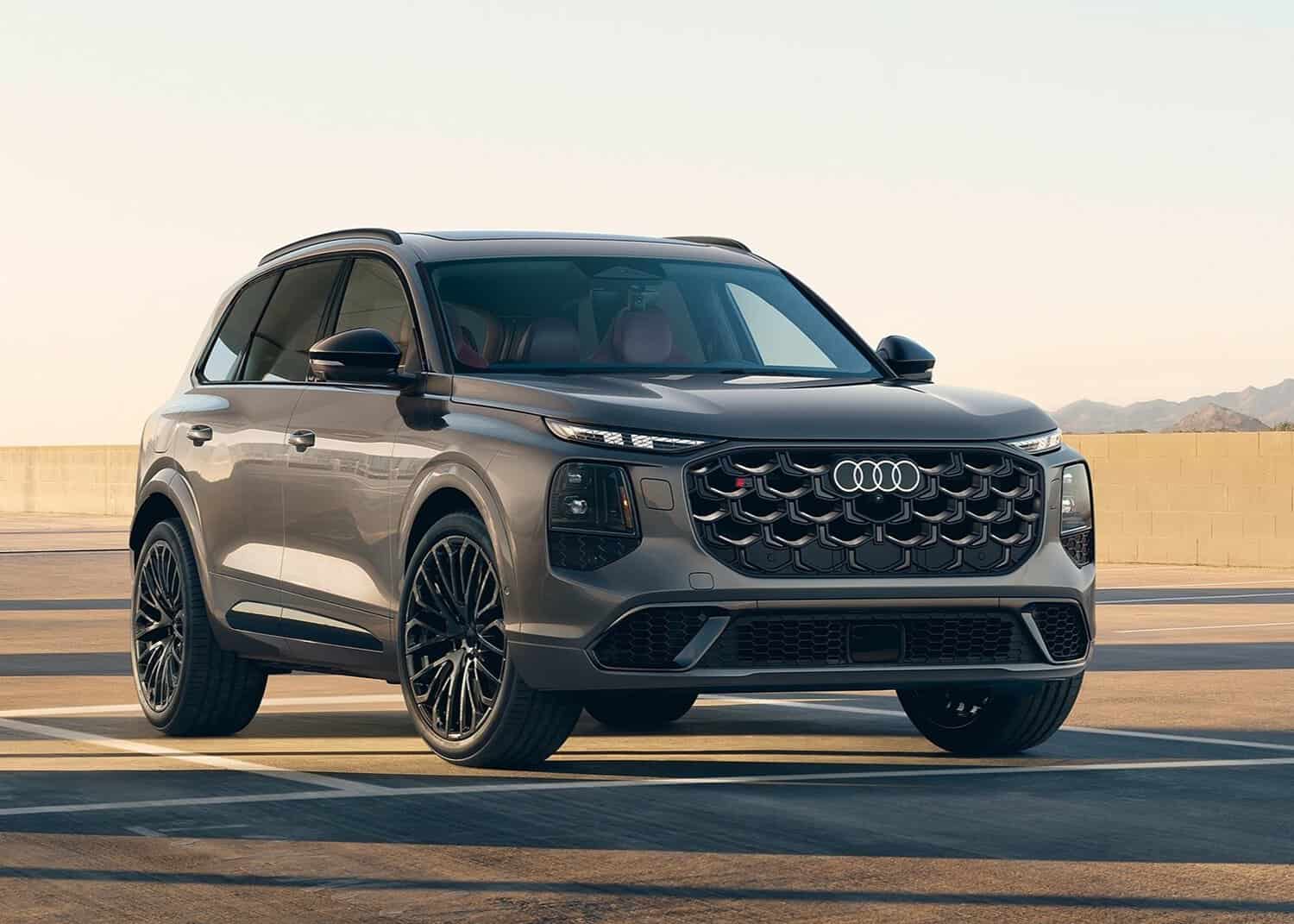
Meanwhile, Audi has also confirmed that the performance SQ7 will, for now, be reserved solely for the United States.
In this application, it retains the 4.0-litre bi-turbo V8 from the outgoing model, but with reworked outputs of 441kW/800Nm versus 373kW/770Nm.
The States also receive a conventional 2.9-litre twin-turbo V6 petrol without any hybrid assistance, capable of 320kW/600Nm.
Not yet for South Africa
Now available for ordering in Europe, sales of the Q7, in Europe, start around September, with production once again taking place at the Bratislava plant in Slovakia.
In Germany, pricing kicks-off at €87 900, which amounts to R1 674 834 without taxes and when directly converted.
For the moment, Audi South Africa is yet to confirm the new Q7 for the local market, but expect it to arrive before year end if approval is granted.