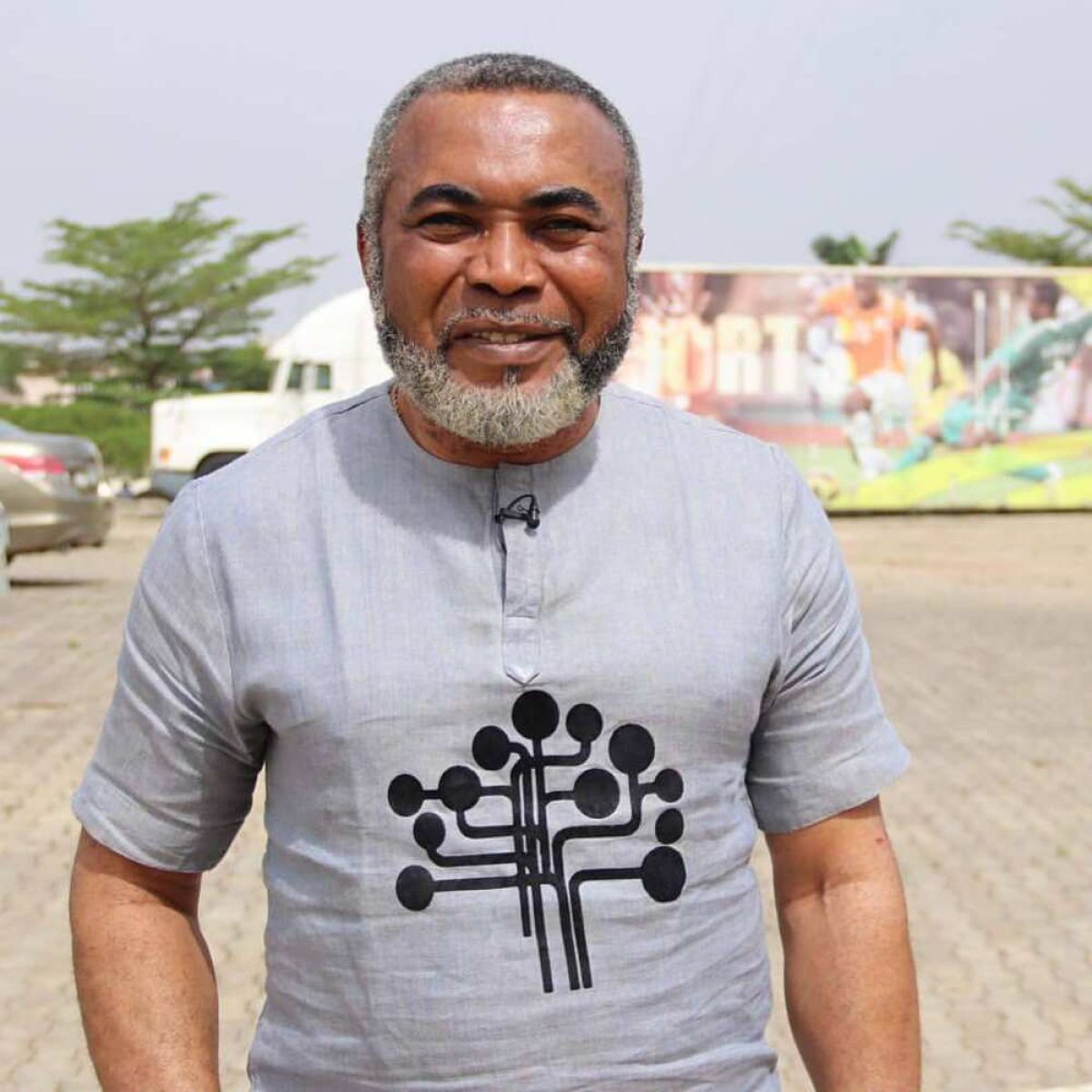
Zack Orji Faces Online Backlash After Leading Pro-Tinubu Solidarity Rally in Abuja
Veteran Nollywood actor Zack Orji has come under intense criticism on social media following his participation in a solidarity rally supporting President Bola Ahmed Tinubu in Abuja. The event, which featured several Nollywood personalities, was organised by the Re-elect Tinubu For Inclusive Nigeria (RTIFN) movement under the slogan “Relax, Tinubu Is Fixing Nigeria.” Participants at …
Veteran Nollywood actor Zack Orji has come under intense criticism on social media following his participation in a solidarity rally supporting President Bola Ahmed Tinubu in Abuja.
The event, which featured several Nollywood personalities, was organised by the Re-elect Tinubu For Inclusive Nigeria (RTIFN) movement under the slogan “Relax, Tinubu Is Fixing Nigeria.” Participants at the rally praised the administration’s performance in infrastructure development and security efforts, while also calling for stronger action against kidnappings across the country.
Orji, who serves as Deputy Director-General of the movement, spoke to journalists during the gathering and urged Nigerians to support President Tinubu’s reform agenda ahead of the 2027 elections.
The rally followed a medical outreach programme that reportedly provided free consultations, treatments, and medication to hundreds of residents, particularly those from low-income communities.
However, the political gathering quickly became a subject of online debate after photos and videos of Orji circulated widely on social media. Many users focused on his physical appearance during the march, describing him as frail and questioning his public engagement at the event.
Reactions on X (formerly Twitter) were sharply divided. Some users criticised the involvement of entertainers in political endorsements, arguing that such support overlooks Nigeria’s current economic realities, including inflation, rising fuel costs, and persistent insecurity.
Others accused participating celebrities of promoting political propaganda, while suggesting that the rally reflected personal or professional interests rather than public sentiment.
One user wrote that the endorsement appeared disconnected from the struggles of ordinary Nigerians, referencing the high cost of living and ongoing economic pressure.
Another commenter dismissed the rally as “paid support,” claiming it lacked authenticity.
Despite the criticism, some social media users defended Orji and other celebrities, stating that public figures are entitled to express their political views and support candidates or movements of their choice without facing personal attacks.
The incident highlights the growing tension surrounding political discourse in Nigeria, where issues of insecurity, inflation, and governance continue to dominate public conversation. While supporters of the administration point to ongoing reforms and infrastructure projects, critics argue that many citizens are yet to experience meaningful improvements in daily living conditions.
The controversy has once again underscored the increasing influence of celebrities in Nigeria’s political space, where their endorsements often generate widespread public debate and scrutiny.