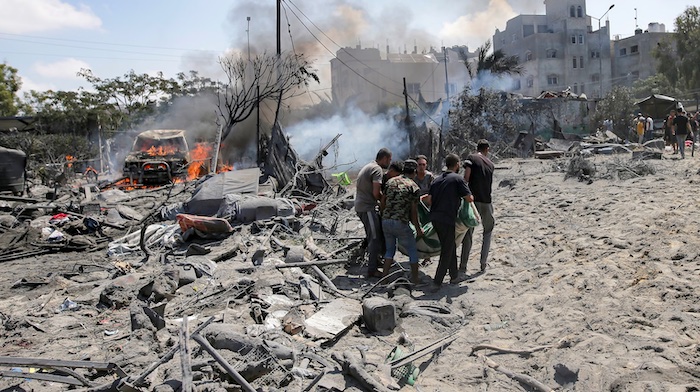
Dozens of people were killed after Israel carried out an intense wave of airstrikes across southern and eastern Lebanon following renewed threats by Israeli Prime Minister Benjamin Netanyahu to increase military action against Hezbollah.
Lebanon’s health ministry said close to 31 people, including children, were killed during the latest attacks. The Israeli military said it struck more than 100 Hezbollah fighters and infrastructure sites in what became one of the heaviest bombardments since a US-brokered ceasefire began in mid-April.
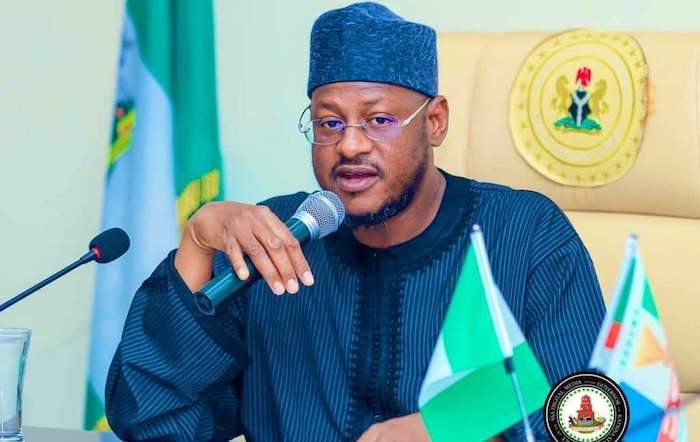
The attacks came shortly after Netanyahu said he had instructed Israeli forces to “press the pedal even harder” in operations targeting Hezbollah. Speaking during a security cabinet meeting, he said Israeli forces were deepening military operations in Lebanon and strengthening what he described as a security zone aimed at protecting communities in northern Israel.
Hours later, the Israeli military reported that sirens sounded in northern Israel after a projectile was launched from Lebanon. According to the military, the projectile landed in an open area and caused no injuries.
Despite the ceasefire, both Israel and Hezbollah have repeatedly accused each other of violations, raising fears that ongoing diplomatic efforts linked to the wider conflict involving the United States, Israel and Iran could collapse.
Israeli airstrikes and artillery attacks have continued almost daily in southern Lebanon, while Hezbollah has continued launching rockets and drones toward northern Israel and Israeli troops stationed in parts of southern Lebanon.
Local media reported that strikes targeted areas including Mashghara in the Bekaa Valley and Burj al-Shamali in southern Lebanon. Some strikes were also reported near Beaufort Castle, a historic fortress recognised by UNESCO as one of the region’s best-preserved medieval castles.
In a video statement released, Netanyahu vowed to increase both the scale and intensity of attacks against Hezbollah, citing recent drone attacks carried out by the Iran-backed group. “We will deal them a crushing blow,” he said.
The remarks reportedly triggered panic in Beirut’s southern suburbs, where residents fled the area in large numbers fearing further strikes. Roads became heavily congested as families attempted to leave for safer locations.
Although Beirut itself was not hit, Israeli warplanes continued carrying out repeated strikes across Lebanon throughout the night. Reports said dozens of attacks occurred across nearly 50 locations.
In the southern town of Arab Salim, a man and his wife were reportedly killed after a strike hit their home, while two others died in Kauthariyet El Rez. Several homes in Mashghara were also destroyed overnight.
Lebanon’s health ministry said rescue teams recovered the bodies of 11 people from the rubble in Mashghara, including a woman and two children, while 15 others were injured.
Videos from the area showed rescue crews pulling a seven-year-old boy named Mohammed from debris during overnight operations. Speaking from his hospital bed, Mohammed said he woke up unable to move and surrounded by darkness before rescuers eventually reached him. The strike reportedly killed his father and two sisters.
Residents described Mashghara as nearly deserted following the attacks. A municipal official identified as Ahmad said the village stood with what he called “the resistance” and accused Israel of targeting civilians without distinction.
The Israeli military later released aerial footage from Mashghara, saying the strikes targeted Hezbollah infrastructure where militant activity had been identified. The military also said it struck more than 90 weapons storage facilities, command centres and observation posts used by Hezbollah.
On Tuesday morning, Israel issued fresh evacuation orders in parts of Lebanon, with military spokesman Avichay Adraee accusing Hezbollah of repeatedly violating the ceasefire agreement.
Hezbollah later said it targeted three military barracks and another military position in northern Israel in response to what it described as Israeli ceasefire violations.
Netanyahu’s decision to intensify military action followed the death of an Israeli soldier in southern Lebanon on Sunday. According to Israeli figures, close to 23 soldiers and one civilian contractor have been killed in Hezbollah-related attacks since fighting began on March 2.
Lebanon’s health ministry says Israeli strikes during the same period have killed at least 3,185 people.
Ojo Triumph