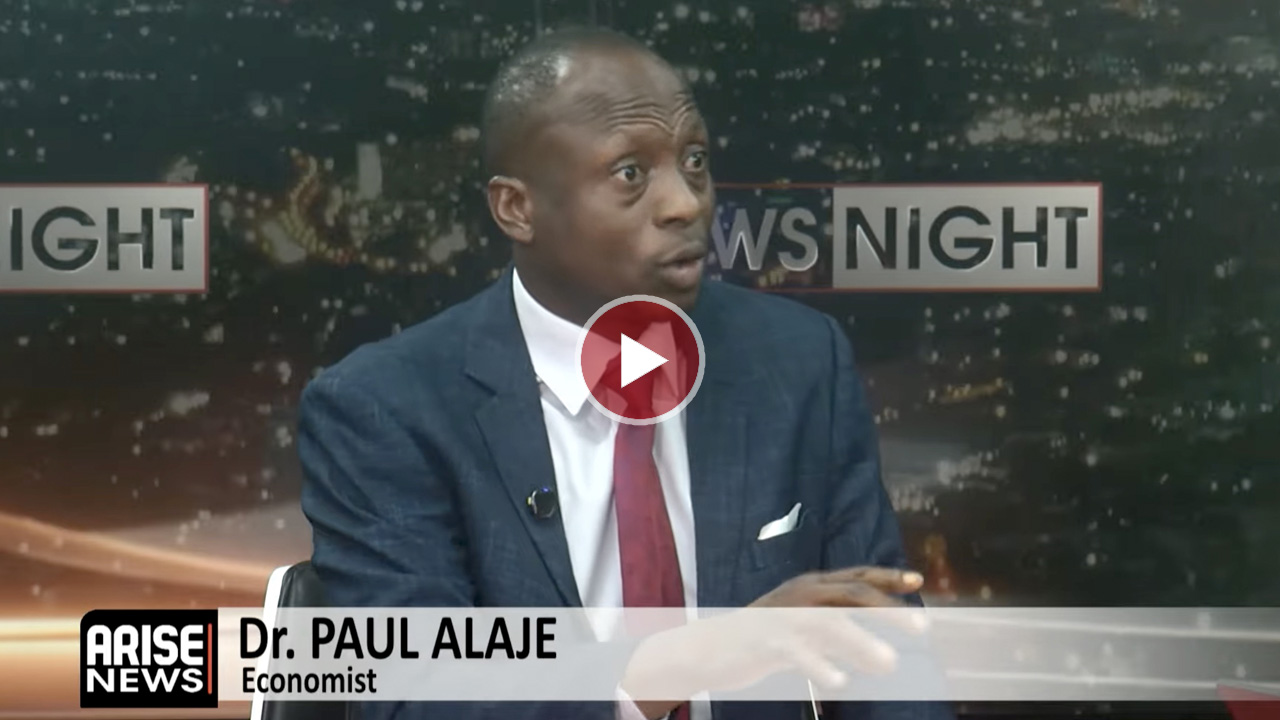
An economist, Dr. Paul Alaje, has said inflation is still rising month-on-month at 2%–4% and remains well above Nigeria’s single-digit target, noting that price pressures continue despite signs of headline economic stability.
Following the latest GDP figures released by the National Bureau of Statistics, (NBS), Dr. Alaje explained that although GDP is growing, the pace is slower because rising inflation reduces real economic output, meaning higher prices are inflating nominal figures while actual growth remains subdued.
“The Bureau of Statistics has released inflation numbers; the month-to-month inflation number for March was above 4%. The one for April was above 2%. What NBS is telling us is that on month-to-month alone—a very short period of time—inflation is rising.
“Again, when we talk about GDP growth rate: GDP grew but at a slower rate. Not that we had a recession or we had a lower GDP number—so it’s not negative. Ordinarily, because prices are increasing, the GDP measures the total monetary value of goods and services; what you bought over a period of time. Prices are increasing, so it will reflect in the GDP numbers. But the number would have been much higher than that if inflation were to be lower. Because to get the real GDP, you have to divide the nominal GDP by inflation. As inflation increases, it means the denominator is higher. When the denominator is higher, your end result will of course be lower. So this is why we have reduced GDP, and that is why it’s important for us to know that inflation matters, and how we tackle it also matters,” he explained.
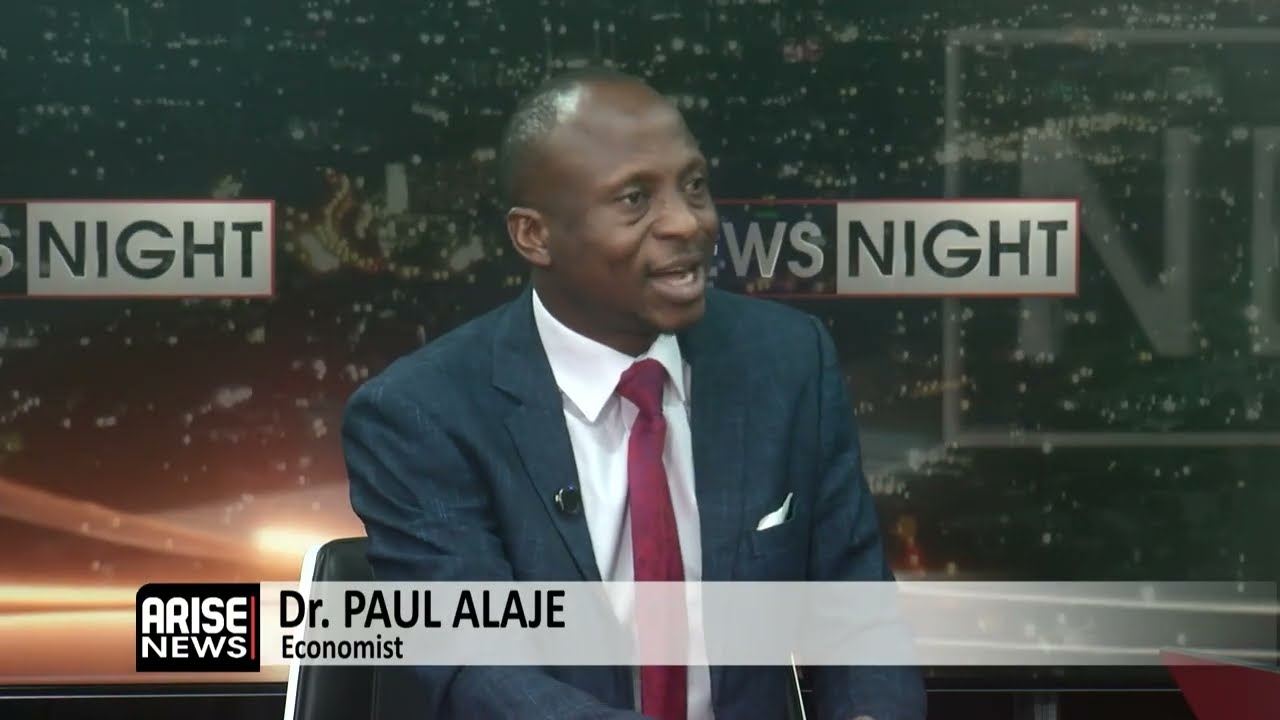
Speaking on employment rate in Nigeria, the economist said Nigeria’s unemployment rate dropped after adopting a one-hour-per-week international measurement standard, noting that it now stands at about 4% compared to much higher levels under the previous 20-hour benchmark.
“We are using one hour a week, not 40 hours a week. Your work suggests that you work for eight hours in a day, and if you multiply that by five, it’s 40 hours. But to follow what ILO and other international organizations have said, and so that we are globally compliant, for most part of the world what they are using now is one hour a week. Nigeria also joined and that crashed unemployment. From what we were using before, which was 20 hours a week, at 20 hours a week we had as high as 33% of the labor force. Today, what we have is around 4%,” he explained.
Speaking on Nigeria’s economic structure, Dr. Alaje said the country remains heavily reliant on oil for foreign exchange and government revenue despite the non-oil sector contributing about 96% of GDP, stressing that sustainable growth will depend on strengthening grassroots development, improving energy supply, and enhancing security.
“The lopsidedness has been like this for as long as I can remember—for as long as I have practiced as an economist, and that’s over two decades now. I tell you, the oil sector, what it is contributing to GDP—that’s how our economy participate. So what is not in oil is… we can account for over 90%. Oil is contributing less to the GDP.
“And that is why this will not change until we stop focusing only on Federal Government. We have to focus on local government. You see, Nigeria will be a great country the moment we know that our economic miracle lies at the grassroots. That’s where the real people are. We need to change the focus, and local government must also have transparent books to see what surplus do they have, to see how many people get engaged, where is production happening?
“An economy that lacks energy, honestly, cannot do more. So you look at our energy, and that can be divided into two: what is happening to cost of fuel, what is happening to cost of energy. Number two, security. A country that is not secure, honestly, is going to have a major impact. I’m not saying the entire Nigeria should be considered insecure by now, but I am saying that we need to secure. And the news about insecurity in Nigeria is already affecting investment. Thankfully we have a President that has been going around to bring investment to Nigeria—positive news-making for us all over the world. But we now need to come to what we have with some institutional challenge,” he stressed.
Favour Odima