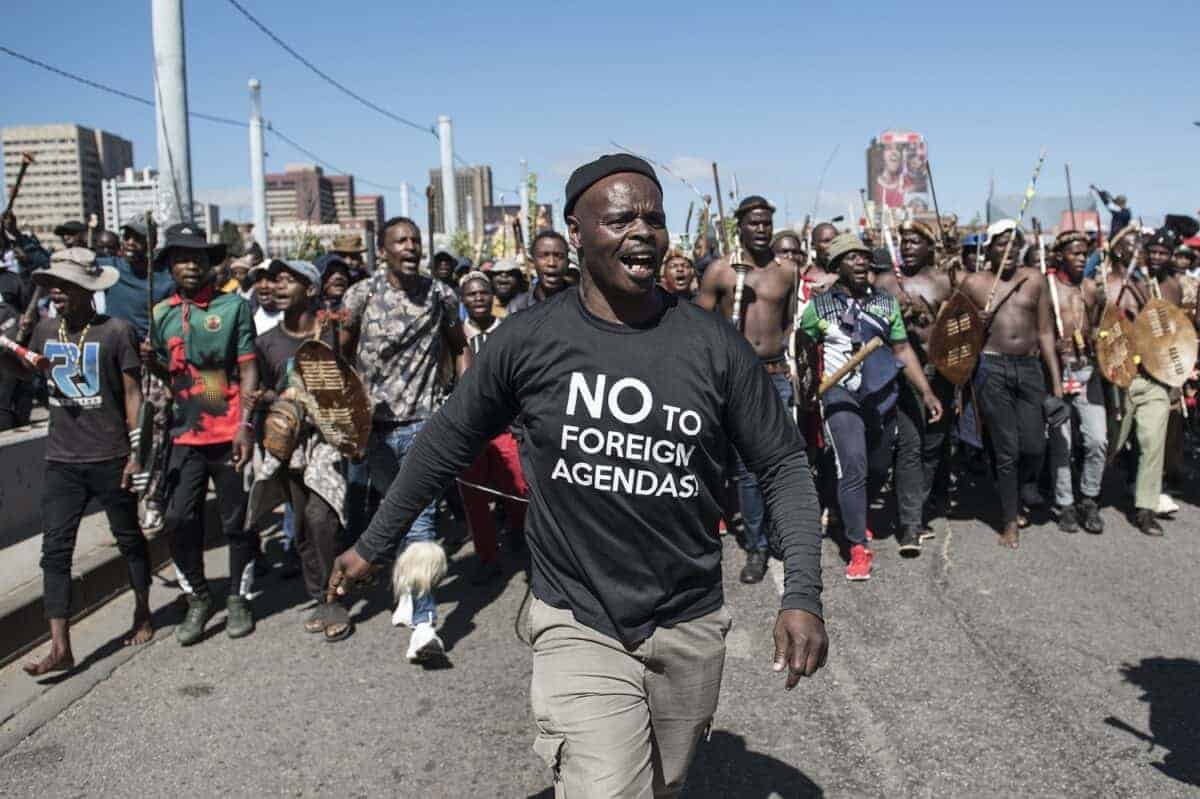
Undocumented foreigners have been given until 30 June to leave South Africa or face mass expulsions – if threats by Operation Dudula and the March and March movement are carried out.
These ultimatums have dragged simmering frustrations over unemployment, poverty, crime and migration back into the national spotlight. But scapegoating migrants is a dangerous distraction.
It risks worsening instability, damaging the economy, and weakening democratic values.
South Africans’ anger at joblessness, poor service delivery and corruption is real. Yet, turning that frustration into violence against foreigners will not solve the country’s socioeconomic crisis.
Some of the claims are that foreigners are “taking jobs” from South Africans and “clogging the health care system”. While undocumented migration does place pressure on certain sectors, the issue is far more complex.
Many foreigners work in industries where employers seek cheaper labour, including construction, agriculture, domestic work and informal trading.
The real problem is weak labour enforcement, corruption and an economy that has failed to create enough jobs for everyone. And, to a larger extent, the challenge is that most African states still fail to guarantee a good life for many of their citizens.
It must be acknowledged that South Africa’s unemployment crisis existed long before the recent migration debate intensified.
Poor economic growth, state corruption, failing municipalities and a lack of investment have all contributed significantly to the unemployment of more than 8.1 million South Africans.
Blaming foreigners alone ignores these failures. In fact, many migrants also contribute positively to the economy by starting small businesses, paying rent, buying goods and creating jobs for locals.
History has shown that attacks on foreigners do not improve the lives of ordinary South Africans. Xenophobic violence damages businesses, destroys infrastructure, scares away investors and harms tourism.
It also weakens South Africa’s reputation across the African continent. As a country that once benefited from solidarity during the antiapartheid struggle, South Africa risks isolating itself diplomatically when violence against African migrants becomes normalised.
Instability caused by attacks often affects poor communities the most. Residents lose access to affordable goods and services provided by migrant-owned businesses.
Communities become divided by fear and mistrust. Violence also places pressure on law enforcement and emergency services, while criminal elements exploit the chaos for looting.
This does not mean South Africans should ignore concerns around illegal immigration. Every sovereign state has the right to manage its borders and enforce immigration laws.
However, there are lawful and effective ways to address the issue without resorting to violence. The government must strengthen border management and improve immigration systems.
Corruption in border control and home affairs must be addressed decisively. Authorities should crack down on employers who exploit undocumented workers by paying below minimum wage.
Exploitation harms migrants and local workers by driving wages downward. South Africa’s future cannot be built on fear or division.
Violence against foreigners may vent frustration, but it will never create jobs, fix the economy, or restore dignity to struggling communities.
The real solutions lie in accountable leadership, stronger institutions and inclusive economic reform.
Foreign nationals are not scapegoats for corruption, unemployment or failing infrastructure. They are part of the social fabric, contributing to local economies and communities.
To target them is to misdirect anger away from the true culprits: weak governance, exploitation and inequality.
If South Africa is to move forward, it must choose dialogue over destruction, justice over scapegoating and reform over rhetoric.
Unity, stability and dignity are not achieved through exclusion – they are secured through leadership that confronts corruption, invests in opportunity and protects the rights of all who live within its borders.