Stereotypes are for sissies. Pigeonholing people because they may have a gazillion piercings or some form of body modification is not only judgemental, it can be downright mean.
This, even though East Rand body piercer and body modification specialist Tash Jordaan of Outkast Tattoos reckons that sometimes people decorate their bodies for that very reason, to keep others at a distance.
Most people though, do it because it’s more than just fashion following, but rather something very personal.
“A lot of people get the work done at a point in their lives where they’re ready to kind of take on that judgement and be like, you know what, this is me. I don’t actually care what the world has to say about me,” said Jordaan.
Jordaan, who has been piercing professionally for close to a decade, grew up around tattoo culture. She also spent much of her childhood hanging around tattoo shops, where friends of her father worked.
While other children were probably spending afternoons kicking a rugby ball around or glued to cartoons, she was watching tattoo artists work and paging through designs.
“My dad is heavily tattooed and I started following my body modification mentor’s work when I was a teenager. He was doing body suspension and all of the really extreme stuff and I remember thinking, I’m in,” she shared.
Fascination from a young age
Like many people who eventually end up in alternative industries, Jordaan first attempted the more acceptable route before realising corporate life was never going to stick. “I followed the normal route and went into accounting because my mom wanted me to,” she said.
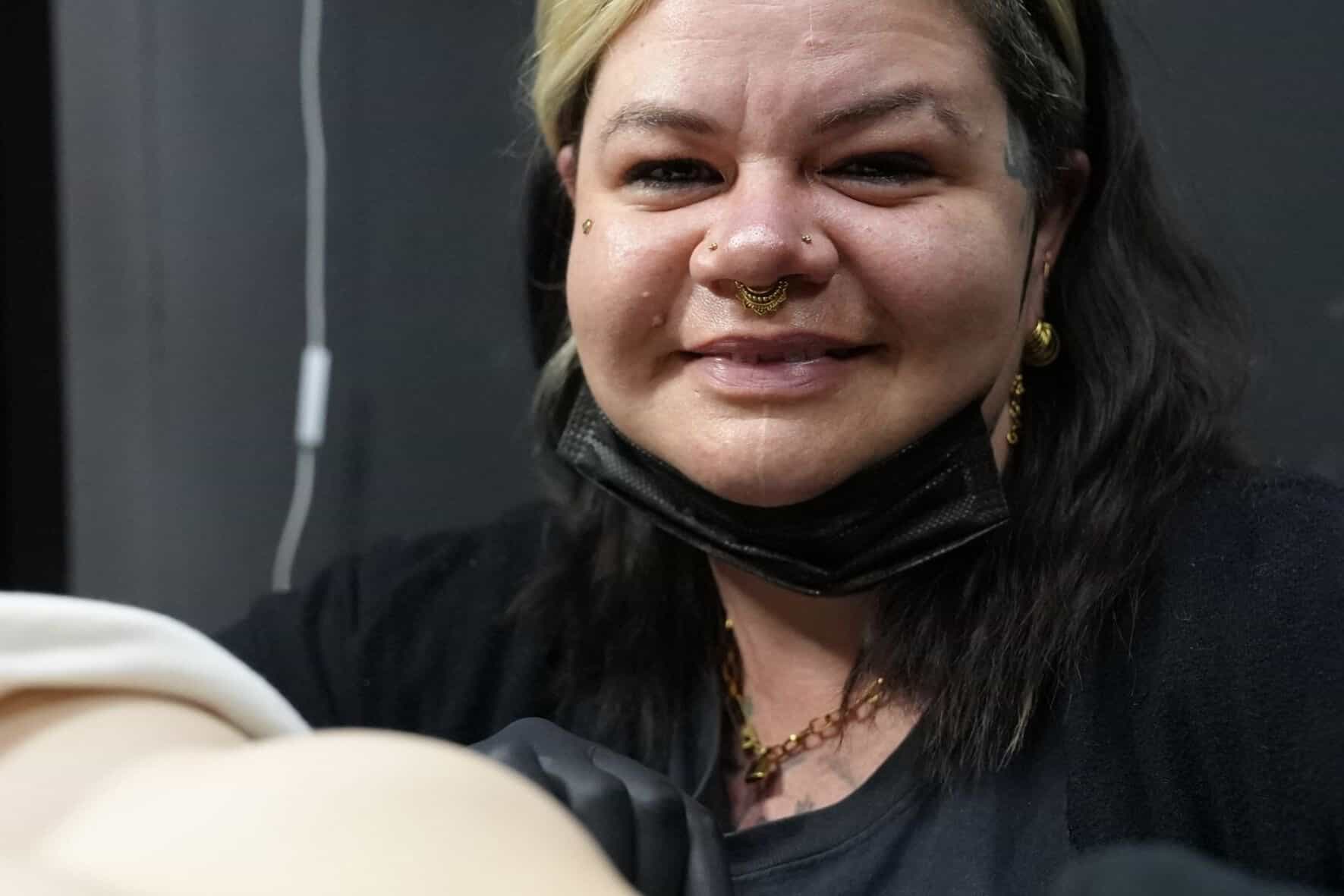
Today her work goes well beyond conventional piercings and includes body modification procedures such as scarification, stretching, tongue splitting and genital work, something that still causes many people to either recoil in horror or immediately assume it must somehow be linked purely to fetishism.
Jordaan said that reality or rationale behind body work is usually far more complicated and emotional than people expect.
“I split a lady’s tongue for her and it was actually such an emotional journey because she had been abused when she was younger. She told me this was her way of getting her voice back because everyone had suppressed her and kept her in a box,” she said.
The same client is now planning scarification work to physically remove an old cherry blossom tattoo from her back while still preserving the shape of the design through scar tissue. “She wanted it cut out of her because that tattoo represented a different part of her life. This is her way of saying yes, it happened, but I’ve moved on.”
It can be deeply personal
Conversations like these, Jordaan said, have become a regular part of her work and she admits there is often an almost therapeutic aspect to sitting in her chair, especially when clients are nervous or anticipating pain.
“There’s a lot of clients who start opening up when they’re vulnerable like that. Especially older clients. They’ll tell you everything about their lives, what happened to them and how they got here,” she said. Regular customers often become more like extended family over time
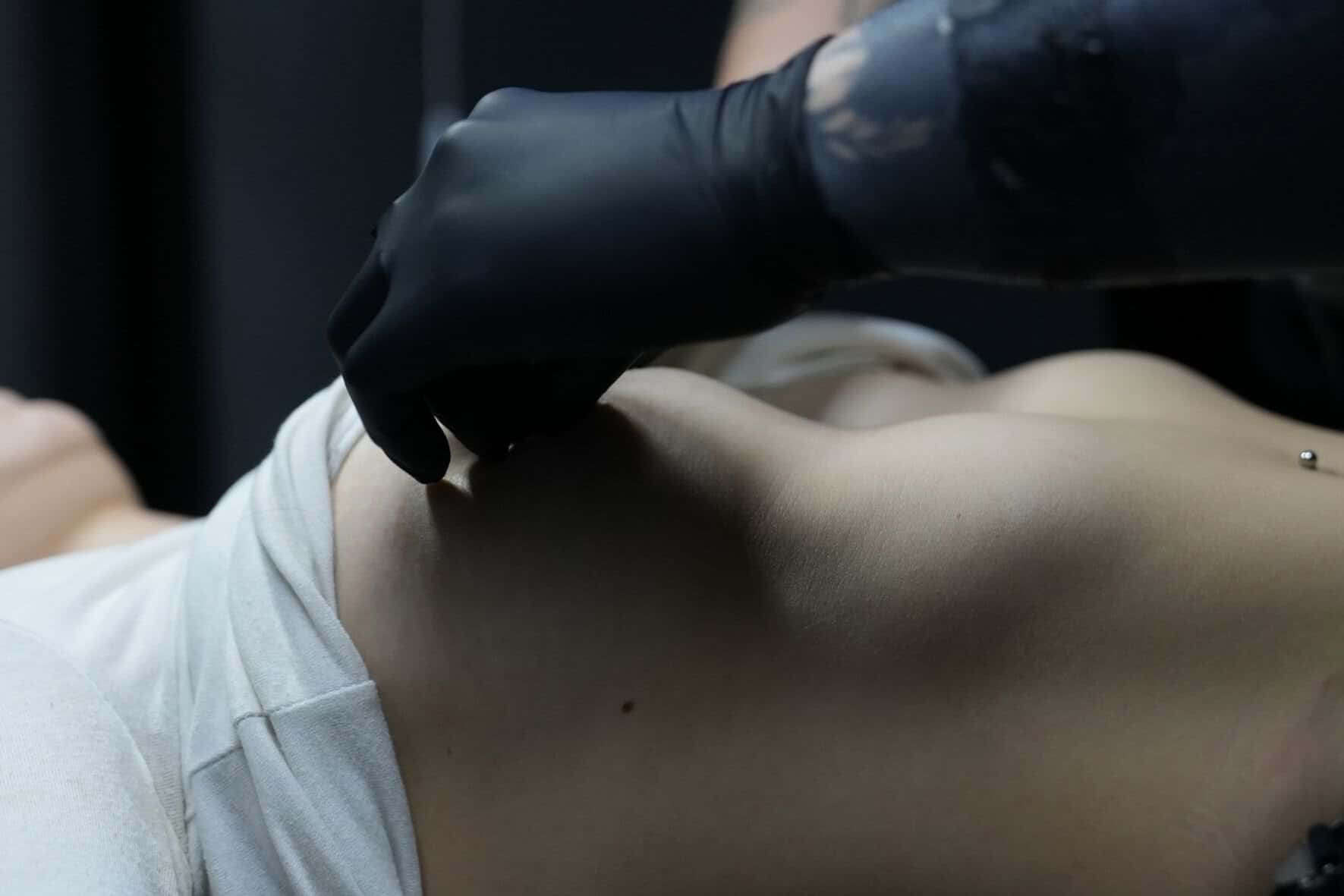
Social media has meanwhile created an entirely different challenge inside the industry, particularly with younger clients walking in after seeing heavily edited TikTok videos or Pinterest images without understanding the healing process or long term commitment involved in body modification or piercings.
“You can’t just come in during December and decide you want a fresh piercing and then forget you can’t go swim or sit baking in the sun afterwards,” Jordaan explained. “Lifestyle plays a massive role in healing.”
Not everyone is fit to get work done
Anatomy also determines what can and cannot safely be done, something many clients do not realise until they are already sitting in the chair.
“Most days I’m crushing somebody’s dreams because their anatomy just doesn’t allow for the piercing they want,” she said. Hygiene is another non negotiable line and Jordaan said she has refused procedures before, particularly with genital work, when clients have ignored preparation instructions.
Interestingly, Jordaan said many heavily modified people are often the exact opposite of the intimidating image society creates around them.
“A lot of people use body modification almost like armour because it makes them feel tougher or less approachable,” she said. “Meanwhile, most of us are honestly just teddy bears.”