While the upcoming 2027 Africa Cup of Nations tournament (Afcon) poses an opportunity to market East Africa to the world, for Uganda, it is being viewed as the single biggest catalyst to transform the country’s tourism sector.
Africa’s biggest football competition attracts tourists who come as fans, bringing billions of shillings to spend on sports, tourism, culture, hospitality and entertainment.
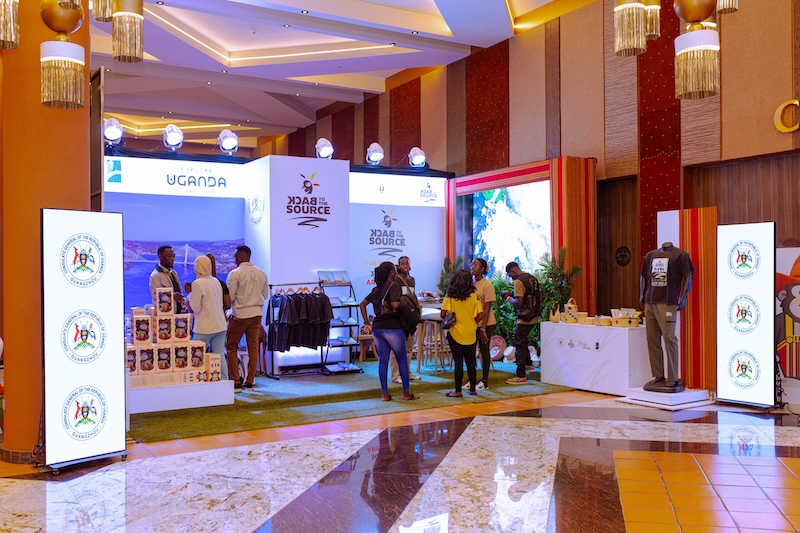
In a discussion with URN at the Pearl of Africa Tourism Expo (POATE) 2026, Hassan Elkamah, commercial director at the Confederation of African Football (Caf), said Afcon has the power to significantly boost tourism numbers and economic activity in host countries.
Elkamah said during this season, Uganda can leverage one of its biggest tourism assets – its people and hospitality – to ignite wanderlust among visitors who come for football, wildlife and the country’s landscapes.
“You have many amazing attractions for tourists, but one very valuable asset is the people. The warmth and hospitality here are something special,” he noted.

He emphasized that football remains one of the biggest global platforms capable of bringing people together and exposing countries to international audiences.
According to Elkamah, the 2025 Afcon tournament in Morocco attracted more than 1.5 million visitors and generated an estimated economic impact of about $2 billion within a single month.
He explained that the tournament also attracted 23 international sponsors from countries including China, Japan, and across Europe and Africa, while Afcon broadcasts reached more than 3 billion television viewers worldwide.
Elkamah believes hosting Afcon in East Africa will introduce Uganda and the region to millions of people who know little about its tourism potential.
“In North Africa, many people are not familiar with destinations in East Africa because of limited marketing and awareness. Bringing Afcon here will change the game,” he said.
He added that countries like Uganda have authentic tourism attractions that can compete globally if marketed properly. The Caf official also urged tourism authorities and the private sector to develop travel packages, airline promotions and entertainment experiences that can encourage football fans to stay longer and explore Uganda beyond the stadiums.
He cited Morocco’s national airline as an example, saying the carrier became the preferred airline for 90 per cent of Afcon visitors after aggressively marketing itself during the tournament.
“We need to focus on attracting visitors through partnerships with tourism authorities, airlines and football federations. Afcon can deliver fantastic numbers for tourism and the economy,” Elkamah said.
Aza Taibu, Fufa’s second vice president, said Uganda sees Afcon 2027 as a rare opportunity to diversify tourism products and unlock investments in sectors such as music, culture, transport, hospitality and nightlife.
“Sports tourism is now an emerging economy that brings billions of dollars into countries,” Taibu said.
She revealed that Uganda is investing more than Shs 2 trillion in roads, sanitation, hospitals and sports infrastructure ahead of the tournament. According to Taibu, football fans travel for more than just matches.
“They come for the pre-match activities, for the nightlife, the culture, the food and the experiences after the games,” she said.
She encouraged Ugandans and the private sector to begin preparing now by investing in accommodation, restaurants, entertainment and tourism-related services.
“If you have a beautiful home, think about turning it into an Airbnb. If you are a content creator, position yourself now. Musicians, hotels, food suppliers and transport providers all stand to benefit,” she added.
She emphasized that Uganda should ensure the investments made for Afcon continue generating value long after the tournament ends.
“We do not want stalled investments after Afcon. We want Uganda to continue hosting conferences, football events and international meetings beyond the tournament,” Aza noted.
Brenda Kabasinguzi, manager for Export Marketing Services at the Uganda Free Zones and Export Promotions Authority, said tourism contributed about 57 per cent of Uganda’s service exports in 2025, generating approximately $1.62 billion.
She said Uganda already has strong tourism attractions, including wildlife, rivers and lakes, but lacks enough tourism experiences and commercially developed products.
“The gap is in the experience. We need to sell experiences that tourists are willing to pay for,” Kabasinguzi said.

She called for greater investment in Uganda’s creative industry, digital marketing and tourism infrastructure to fully benefit from Afcon. According to Kabasinguzi, Uganda should intentionally develop tourism investment projects around key growth areas such as Hoima, Jinja, Murchison Falls, Karamoja and other tourism circuits.
She highlighted opportunities including resorts, conference facilities, luxury accommodation, houseboats and hotels near stadiums and airports.
Kabasinguzi also emphasised the need for certification and support systems for Ugandan creatives and innovators so they can market Uganda competitively on the global stage.
As Uganda counts down to Afcon 2027, officials believe the tournament could become one of the country’s biggest tourism and economic opportunities in recent history. For many stakeholders, the tournament is not just about football, but about using sport to showcase Uganda’s culture, hospitality, investment potential and tourism experiences to the world.