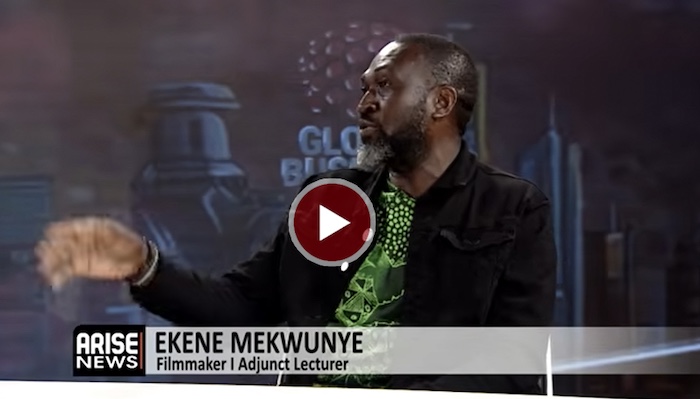
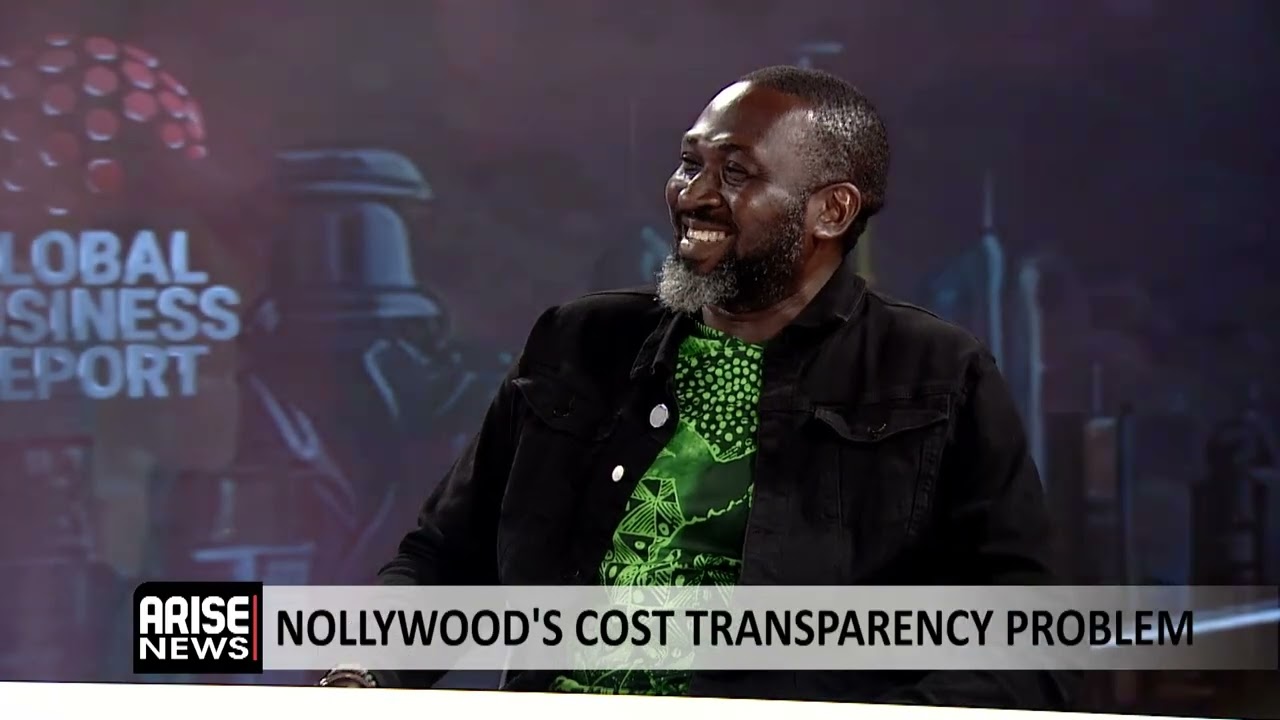
Filmmaker and adjunct lecturer Ekene Mekwunye says film festivals have moved beyond glamour and red carpets to become major commercial marketplaces where films secure distribution, licensing, and streaming deals that transform careers and productions
Speaking during an interview With ARISE NEWS on Friday, Mekwunye explained that festivals now function as business hubs rather than purely exhibition spaces, bringing together sales agents, streamers, and licensors actively seeking content.
“Film festivals are no longer about red carpets and spotlights. They are now a market where films go and get deals that can change the lives of filmmakers,” Mekwunye noted, adding that productions like “Obsession” demonstrate how festival exposure can lead to major acquisitions and global distribution opportunities.
He pointed to his experience at the Now Film Festival in Paris, where screenings of A War led to partnership opportunities with distributors and post-production studios, as well as discussions with major industry players following private meetings and studio tours
Mekwunye also underscored the high cost of Nollywood production, explaining that logistics, cast fees, equipment and on set operations significantly drive up budgets. He noted that large crews, costly actor fees, high-end camera equipment, accommodation for cast and crew, and even basic logistics such as catering all add substantially to overall production costs.
According to him, Nollywood is still grappling with a broader transparency challenge that affects multiple sectors in Nigeria, particularly the lack of reliable production data needed to attract institutional investment.
“If the information you are putting out cannot be trusted, it will be difficult to have a seat in the room where serious investment decisions are made,” he stated stressing that Nollywood is transitioning from an informal creative space into a structured industry.
On profitability, Mekwunye argued that most Nigerian films do not primarily recoup investments from box office earnings. Instead, he explained that revenue largely comes from streaming platforms and licensing agreements, which he estimated account for the majority of returns in the industry.
He further revealed that he is pivoting toward artificial intelligence in his next productions, arguing that AI is lowering technical and financial barriers in filmmaking and making previously expensive creative ideas more achievable.
“With AI, what used to cost one or two million dollars can now be done for about two hundred thousand,” he said, adding that the technology is expanding the scope of what filmmakers can realistically attempt.
Mekwunye acknowledged concerns that AI could disrupt jobs in the industry but argued that technological shifts have always met resistance, citing transitions from silent films to sound, and from black and white white to colour cinema.
He maintained that storytelling remains fundamentally human, saying AI only changes the tools, not the emotional core of filmmaking.
On Nollywood’s future, he expressed optimism, noting that African films are becoming increasingly global in appeal. He cited strong audience reactions in Paris to a Yoruba-language film, saying international viewers are increasingly engaging with African storytelling beyond niche categorisation.
“Nollywood cannot be ignored anymore. African perspectives are now mainstream,” he said, adding that global audiences are actively seeking fresh cultural narratives.
He concluded that Nollywood’s future will depend on strategic positioning between theatrical releases and streaming platforms, rather than choosing one over the other, while urging the industry to adapt to evolving global dynamics.
Goodness Anunobi