Billionaire industrialist says planned Nigerian Exchange listing will allow Africans directly participate in continent’s biggest industrial transformation projects….
President and Chief Executive of Dangote Group, Aliko Dangote, has revealed that the planned listing of the Dangote Petroleum Refinery & Petrochemicals on the Nigerian Exchange is aimed at giving Africans direct access to invest in the continent’s industrial future.
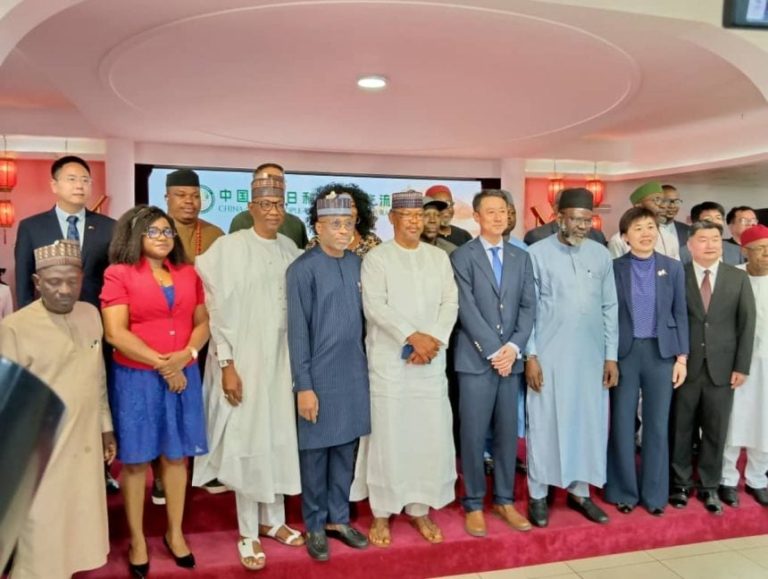
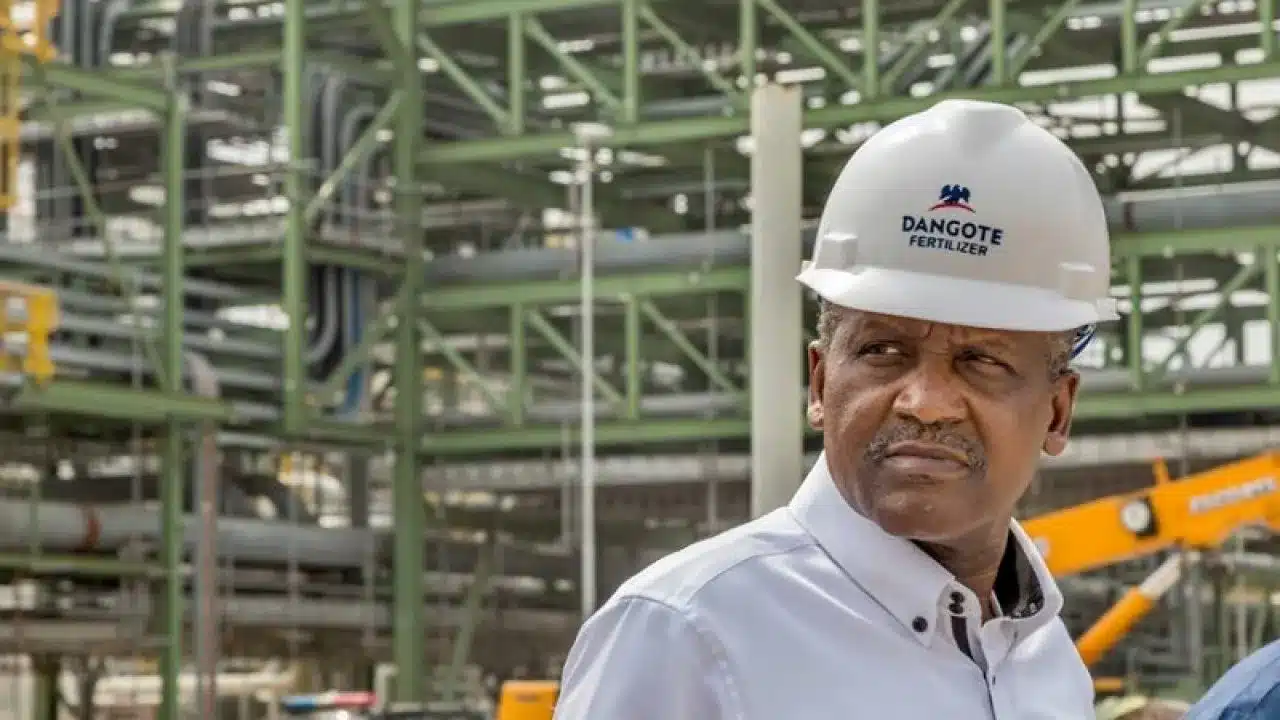
Dangote made the disclosure during a strategic visit by senior officials of South Africa’s Government Employees Pension Fund (GEPF), the Public Investment Corporation (PIC), and Alterra Capital Partners to the Dangote Refinery and Dangote Fertiliser complex in Lagos.
The visit comes amid growing international investor interest in African-led industrialisation, infrastructure expansion, and long-term energy investments across the continent.
Speaking during the engagement, Dangote said Africa’s economic transformation must be driven by large-scale industrial projects capable of creating jobs, strengthening local production, and generating shared prosperity across the continent.
According to him, the planned public listing of the refinery is part of a broader effort to democratise wealth creation and allow ordinary Africans participate in industrial investments previously dominated by a small group of investors.
“We are opening the doors for investors to participate directly in Africa’s industrial future and the prosperity it will create,” Dangote said.
The billionaire businessman explained that the refinery project reflects the enormous untapped opportunities within Africa’s energy market, especially as many African countries still rely heavily on imported refined petroleum products despite rising consumption and increasing industrial demand.
Dangote noted that the Group’s long-term strategy has been shaped by Africa’s growing need for energy security and regional refining capacity capable of serving multiple markets across the continent.
He added that demand for key products including aviation fuel, polypropylene, and refined petroleum products has already surpassed earlier expectations.
“We thought about Nigeria first and then exports, but even with our current production, we are practically living hand to mouth because the market demand is extremely high,” he stated.
The South African delegation included GEPF Chairperson Frans Baleni, Principal Executive Officer Musa Mabesa, PIC Deputy Chairperson Mongwena Maluleke, PIC Chief Executive Officer Patrick Dlamini, and Alterra Capital Partners Managing Partner Genevieve Sangudi.
GEPF remains Africa’s largest defined benefit pension fund, managing retirement benefits for over 1.8 million South African public sector workers, while PIC is widely regarded as the continent’s largest asset manager.
Following a tour of the refinery complex in Ibeju-Lekki, Baleni described the project as proof that Africa possesses the capacity to execute world-class industrial infrastructure at scale.
“If it can be done anywhere else in the world, it can be done in Africa,” Baleni said.
He noted that the refinery goes beyond being a Nigerian project, arguing that it represents a major shift in how Africa’s industrial potential should be viewed globally.
“What has been built here is reshaping how the world should think about African industrial capability and it should reshape how Africa thinks about itself,” he added.
Baleni further stressed that African institutional investors must begin backing large-scale homegrown industrial projects capable of accelerating economic transformation across the continent.
Also speaking during the visit, PIC Chief Executive Officer Patrick Dlamini described the refinery as one of Africa’s most transformative industrial projects, saying it has challenged long-standing assumptions about the continent’s economic and technical capacity.
Quoting former South African President Nelson Mandela, Dlamini said, “It always looks impossible until it’s done.”
“This project is redefining the story of Africa and the possibilities of Africa,” he added.
According to Dlamini, PIC which manages approximately $230 billion in assets is increasingly focused on long-term investments tied to infrastructure, industrialisation, and economic transformation across Africa.
He said the institution sees strong alignment between Dangote Group’s industrial ambitions and PIC’s investment strategy.
“What we have seen today reinforces our conviction that the next chapter of African prosperity will be written through partnerships between African institutional capital and African industrial champions,” Dlamini stated.
He also argued that industrialisation remains critical to tackling poverty, unemployment, and economic exclusion across the continent, stressing that large-scale investments would play a major role in driving long-term stability and development in Africa.
The planned listing of the Dangote Refinery on the Nigerian Exchange is expected to rank among the biggest capital market events in Africa and could significantly deepen investor participation in Nigeria’s industrial and energy sectors.