Uganda has officially cleared Elon Musk-backed satellite internet company Starlink to begin operating in the country, a move government officials say could significantly expand internet access, especially in remote areas where traditional telecom infrastructure remains weak.
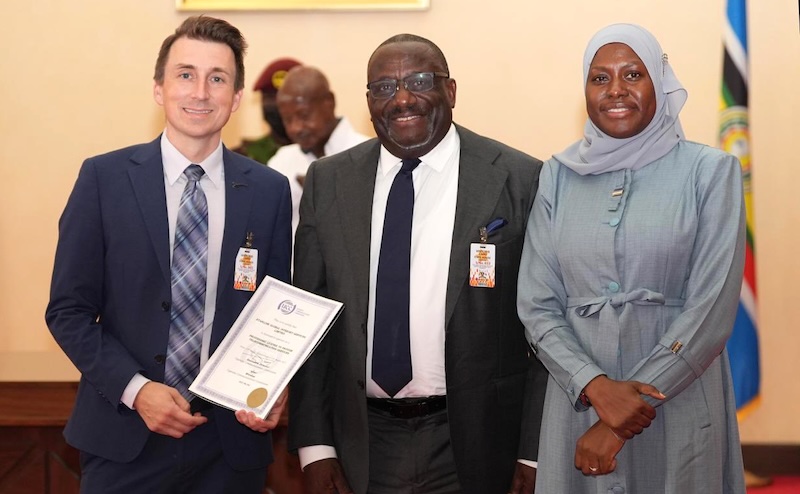
The approval follows months of negotiations between Starlink and Ugandan regulators over licensing, security and operational requirements. President Yoweri Museveni witnessed the signing of a Memorandum of Understanding and operational licence agreement between the Uganda Communications Commission (UCC) and Starlink at State House Entebbe on Thursday.
The agreement formally opens Uganda’s telecommunications market to the satellite broadband provider, which operates through SpaceX, the aerospace company founded by billionaire entrepreneur Elon Musk.
Museveni used the occasion to stress that while government welcomes new technology and investment, regulation and accountability within the telecommunications sector remain a top priority.
“Our interest remains security, revenue assurance, and ensuring proper accountability within the telecommunications sector so that we clearly know what is happening with telecom companies and who the customers are,” Museveni said.
In simple terms, government wants assurance that telecom operators can identify users, comply with local laws, pay taxes and cooperate with national security systems. That concern has become increasingly important as digital communication expands rapidly across Uganda and the wider region.
Under the licensing agreement, Starlink will be required to establish a national gateway, maintain a physical operational presence in Uganda and employ local technical and legal staff.
The company must also ensure all devices activated within Uganda are properly registered according to national regulations. A national gateway refers to infrastructure that allows government regulators to oversee and manage internet traffic entering and leaving the country.
Physical presence requirements are designed to ensure regulators can hold operators accountable locally instead of dealing with companies operating entirely from abroad.
The agreement was signed by UCC Executive Director George William Nyombi Thembo and Starlink representatives led by Ryan Goodnight, who described the development as a major milestone for internet connectivity in Uganda.
“It is a great honour to be here in this beautiful country. We are incredibly excited that we are forging this cooperation and bringing this network here,” Goodnight said.
He added that Starlink was prepared to comply fully with Ugandan laws and work closely with authorities as it rolls out services. Starlink also announced plans to support schools and health facilities by donating internet connectivity devices to selected institutions across the country.
The company’s entry could potentially reshape Uganda’s internet market. Unlike traditional telecom operators that depend heavily on fibre cables, mobile towers and physical infrastructure, Starlink uses thousands of low-Earth orbit satellites to beam high-speed internet directly to users through specialised satellite dishes.
That technology makes it especially useful in rural and hard-to-reach areas where building conventional infrastructure is expensive or impractical. Uganda has expanded internet coverage significantly over the past decade, but major gaps remain.
Many rural communities still struggle with slow internet speeds, unreliable connections and high data costs. Businesses, schools and health centres outside major towns are often the most affected.