
Every year on May 17, the world commemorates the International Day Against Homophobia, Biphobia and Transphobia (IDAHOBIT).
The date marks an important moment in global human rights history: in 1990, the World Health Organization removed homosexuality from the International Classification of Diseases, affirming that queer identities are not illnesses, abnormalities, or moral defects.
Since then, May 17 has become a global moment of reflection, solidarity and honest conversation about the violence, discrimination, exclusion, and persecution faced by lesbian, gay, bisexual, transgender and queer (LGBTQ) persons worldwide.
In many countries, communities, institutions and diplomatic missions mark the day through dialogue, public education and acts of solidarity that affirm the dignity and humanity of queer people.
This year’s global IDAHOBIT theme, “At the Heart of Democracy,” arrived at a defining moment for queer Ugandans.
It invited us to reflect on what democracy truly means. The true measure of any society is how it treats those who are most vulnerable, misunderstood, or excluded. Today, many queer Ugandans feel disconnected from public life because of the fear, hostility, and discrimination they experience daily.
Many avoid civic spaces; from community gatherings to local leadership forums because visibility can come with rejection, harassment, or danger. When citizens must remain silent to stay safe, it becomes difficult to claim that everyone belongs equally.
The Anti-Homosexuality Act deepened this reality, reinforcing fear and social exclusion in everyday life. For many, survival now depends on silence, concealment and withdrawal from public space.
Some have lost homes, jobs, friendships, or family support. Others live cautiously within their own communities, aware of how quickly suspicion can turn into rejection. And yet queer Ugandans are not strangers to this country.
They are Ugandans. Born here, raised here, educated here, and building their lives here like everyone else. They contribute to the economy, support families, create businesses, pay taxes, vote, worship and take part in national life.
For generations, African societies found ways of managing difference through coexistence, balance and shared humanity. Yet in recent years, conversations about queer people have increasingly been shaped by fear, misinformation and political rhetoric.
At the same time, Uganda is changing. We live in a more connected world where access to information is expanding, and many Ugandans are increasingly exposed to different perspectives and lived experiences.
More Ugandans now have the opportunity to question stereotypes, listen more deeply, and understand realities beyond social media outrage or public panic. This creates space for empathy, reflection, and more humane conversations.
Promoting tolerance, empathy and human dignity does not require abandoning culture, faith, or personal beliefs. It simply asks us to recognise the humanity of others even in the presence of difference.
Meaningful social progress has never come through silence or exclusion. It happens gradually when marginalised people are allowed to exist openly, participate in society, and contribute without fear.
While some say Uganda is “not yet there,” history shows that societies grow stronger and more stable when they reduce inequality and expand dignity and opportunity for all. So, IDAHOBIT 2026 was therefore an opportunity for reflection and honest conversations.
It encouraged deeper thinking about safety, coexistence, constitutional dignity, and the kind of society where we are all free to express our selves. Protecting Uganda’s democratic aspirations requires ensuring that every citizen can participate in national life without fear of humiliation, violence, or exclusion.
As the world marked IDAHOBIT 2026, Ugandans were invited to reflect on the values that hold communities together: empathy, dignity, fairness, and shared humanity. Equality and safety should never depend on how easily someone is accepted.
Next month, as many communities around the world observe Pride Month, perhaps Uganda too can continue opening space for quieter but necessary conversations; grounded not in fear, misinformation or anger, but in listening, empathy, and recognition of our shared humanity. In the end, a more compassionate society benefits everyone.
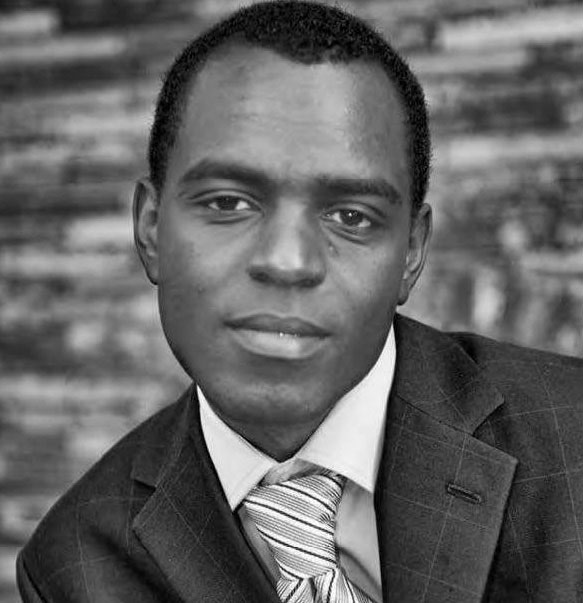
The author is a human rights advocate and Nobel Peace Prize nominee.