Hypertension cases among adults under 45 are rising sharply in Gauteng, with over 26 000 new diagnoses recorded in a single financial year.
Health authorities are urging residents to get screened before it’s too late.
Silent killer targeting younger
Hypertension has long been associated with older adults, but Gauteng’s latest health data suggests the condition is increasingly striking people in the prime of their lives.
The Gauteng department of health has flagged a concerning rise in the number of adults under the age of 45 being diagnosed with high blood pressure.
It says the condition is particularly dangerous because it develops without warning.
“Hypertension, commonly known as the ‘silent killer’, often develops without noticeable symptoms and remains one of the leading contributors to strokes, heart disease, kidney failure and premature death,” the department said.
During the 2025-26 financial year, Gauteng recorded 69 125 new hypertension cases province-wide.
Of those, 26 088 were among adults aged between 18 and 44.
“Contributing factors include unhealthy eating habits, obesity, lack of physical exercise, smoking and excessive alcohol consumption,” the department noted.
Millions screened as the department steps up early detection
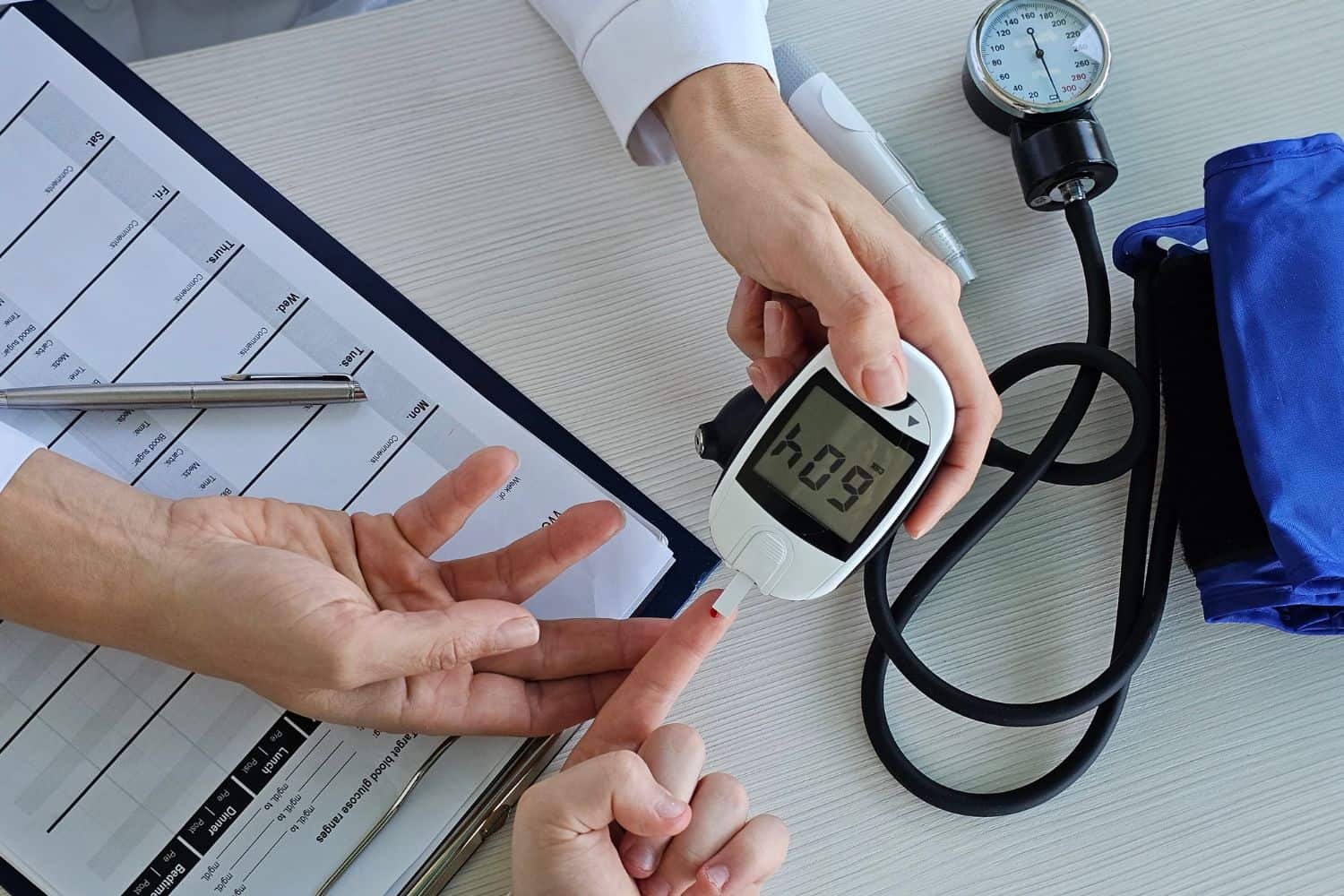
With hypertension rarely announcing itself through symptoms, routine screening has become the department’s primary tool for catching the condition before it causes irreversible damage.
“As hypertension frequently presents without symptoms, routine screening remains essential,” the department said, adding that approximately 8.7 million adults were screened for hypertension across Gauteng during the 2025-26 financial year.
Public health care facilities across the province provide free blood pressure screening alongside integrated chronic disease management services for individuals diagnosed with hypertension, diabetes and related conditions.
The department expressed concern that despite these efforts, too many residents are still falling through the cracks.
“The department remains concerned that many residents are still unaware of their blood pressure status, often resulting in delayed diagnosis and severe complications such as strokes and heart attacks,” it said.
Ward-based outreach teams and community health workers continue to operate throughout the year to bridge this gap.
“Ward-based outreach teams and community health workers continue to provide health education, promote healthy lifestyles and encourage residents to undergo free blood pressure screening at public healthcare facilities and during community outreach activities across Gauteng,” the department said.
World Hypertension Day shines a light on collective responsibility
The department’s renewed push on awareness comes as it joins the international community in marking World Hypertension Day, observed annually on 17 May.
“The 2026 theme carries a clear message about shared responsibility. Controlling Hypertension Together highlights the importance of collective action in improving awareness, prevention, early detection and effective management of hypertension,” the department said.
While the day serves as an important moment of focus, the work does not stop there.
“While World Hypertension Day is observed on 17 May, the department’s hypertension awareness, screening and prevention activities will continue beyond this commemoration as part of year-round public health and health promotion programmes across the province,” it said.
What residents can do to protect themselves
The department has outlined clear steps residents can take to reduce their risk. “To reduce the risk of hypertension, residents are encouraged to exercise regularly, reduce salt intake, stop smoking and limit alcohol consumption,” it said.
For those already living with the condition, following medical guidance is non-negotiable.
“Individuals diagnosed with hypertension are advised to take their medication as prescribed by healthcare professionals and adhere to treatment plans to effectively manage the condition,” the department added.
Residents managing chronic conditions can also ease the burden of healthcare visits by using a dedicated government programme.
“Residents can make use of the central chronic medicine dispensing and distribution (CCMDD) programme to collect chronic medication closer to their homes and reduce waiting times at health care facilities,” the department said, urging those not yet enrolled to visit their nearest clinic to register on the CCMDD system.