Parliament’s Standing Committee on Appropriations has given the thumbs-up to the electoral and home affairs budgets, but raised concerns about youth voter turnout, cybersecurity threats and illegal migration ahead of the local government elections in November.
The Electoral Commission of South Africa (IEC) told Parliament it is prepared to deliver the 2026 local government elections on 4 November within its allocated budget.
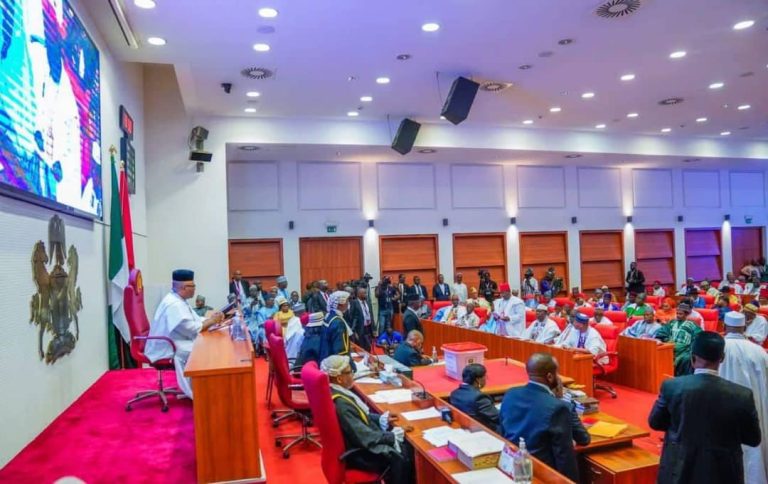
The assurance came during a Standing Committee on Appropriations sitting on Wednesday, 13 May, where the IEC and the Department of Home Affairs presented their financial readiness and operational plans.
The IEC has been allocated R3.2 billion for the local polls.
Its priorities include strengthening voter registration, particularly to address the under-representation of certain demographic groups on the voters’ roll, as well as preparations for candidate nominations and the printing of ballot papers.
Local elections: Youth turnout and exam clashes
Committee members welcomed the IEC’s state of readiness, but flagged a logistical problem. The November elections coincide with the matric examination period, and schools are frequently used as voting stations.
The IEC responded that it had consulted with the Department of Basic Education and that disruptions to matriculants would be minimal, as the day would be designated a public holiday.
Committee chairperson Mmusi Maimane urged the IEC to go further, calling for intensified outreach to get young South Africans onto the voters’ roll and to the polls.
He noted that youth voter turnout has consistently been very low and that targeted engagement programmes are needed to reverse that trend.
On cybersecurity, Maimane placed the threat firmly on the agenda, warning that the breadth of the elections demands urgent attention to digital risks.
“The scale of the elections across 240 municipalities and their wards requires strong measures to mitigate cybersecurity risks,” he said, adding that technological safeguards must be put in place to counter disinformation spreading across social media platforms.
Physical security was equally pressing.
Maimane pointed to concerns raised in a previous engagement, where the South African Police Service flagged a shortfall of approximately 6 000 personnel.
He noted that security incidents have occurred at polling stations during past elections, underlining that on-the-ground protection cannot be an afterthought.
Home Affairs corruption and migration challenges
The committee’s session with the Department of Home Affairs highlighted corruption, migration management and the department’s technological shortcomings.
Members welcomed ongoing efforts to clamp down on the fraudulent issuing of identity documents, while noting that internal corruption within the department feeds directly into wider illegal migration problems.
Persistent illegal migration emerged as a significant concern, with members raising specific instances where deported individuals subsequently returned to the country and where asylum seekers remained in South Africa after their applications had been rejected.
The committee was unequivocal that Home Affairs sits at the centre of the state’s response to illegal migration.
On technology, members pressed the department on the use of drones and other enforcement tools, asking what measurable gains had been recorded to date.
The committee reiterated that modernising departmental systems is not optional, saying it is critical to both service delivery and enforcement.
Long queues and system downtime must go, says Maimane
Maimane acknowledged the budget allocations aimed at tackling the department’s persistent system outages and lengthy queues, which have long drawn public frustration.
“Home Affairs is often associated with long queues and system downtime,” he said, welcoming the funding set aside to address those offline challenges.
The chairperson stressed that the department’s mandate extends beyond deportations and border management.
He called on Home Affairs to give equal attention to lawful pathways for people seeking to legalise their status in South Africa, warning that an overly difficult compliance process creates the conditions for corruption.
“When compliance is overly difficult, individuals may attempt to work around the system through bribery,” he said.
Maimane also pushed back against a damaging public narrative.
“Perceptions that South Africans do not welcome other Africans is wrong,” he said, making clear that the country’s approach to migration should not feed into that misconception.