South Sudan Officials Face U.S. Visa Restrictions Over Corruption Claims
The United States has imposed visa restrictions on members of South Sudan’s transitional government over allegations of corruption and obstruction of peace efforts. In a statement issued on Tuesday, Washington said senior officials were undermining the implementation of the 2018 Revitalised Agreement on the Resolution of the Conflict in South Sudan (R-ARCSS), a peace deal …
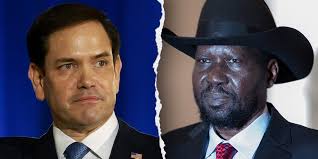
The United States has imposed visa restrictions on members of South Sudan’s transitional government over allegations of corruption and obstruction of peace efforts.
In a statement issued on Tuesday, Washington said senior officials were undermining the implementation of the 2018 Revitalised Agreement on the Resolution of the Conflict in South Sudan (R-ARCSS), a peace deal aimed at ending years of civil war.
U.S. Secretary of State, Marco Rubio, said the action was taken under Section 212(a)(3)(C) of the Immigration and Nationality Act, which allows the U.S. to deny entry to individuals whose activities are considered harmful to its foreign policy interests.
“The United States will continue to stand with the South Sudanese people, who want to live in peace and dignity”, the statement said.
The U.S. also accused corrupt officials and entities, including Crawford Capital Ltd., of diverting public funds and misusing foreign aid. It further alleged that forces linked to President Salva Kiir Mayardit carried out military operations in northern Jonglei State, displacing about 300,000 people and worsening hunger and famine risks. Reports of human rights abuses and ethnically targeted killings, particularly against members of the Nuer community, were also cited.
South Sudan has faced prolonged instability since gaining independence in 2011, with a civil war erupting in 2013 following a political dispute between President Salva Kiir and former deputy Riek Machar. Although a peace agreement was signed in 2018, its implementation has been slow amid recurring tensions and violence.
The latest U.S. restrictions are expected to increase pressure on the transitional government as the country continues to struggle with insecurity, economic hardship, and a fragile peace process.